 WhatsApp Us (24/7)
 +91 926 888 0303 (24/7)


To Book an Appointment
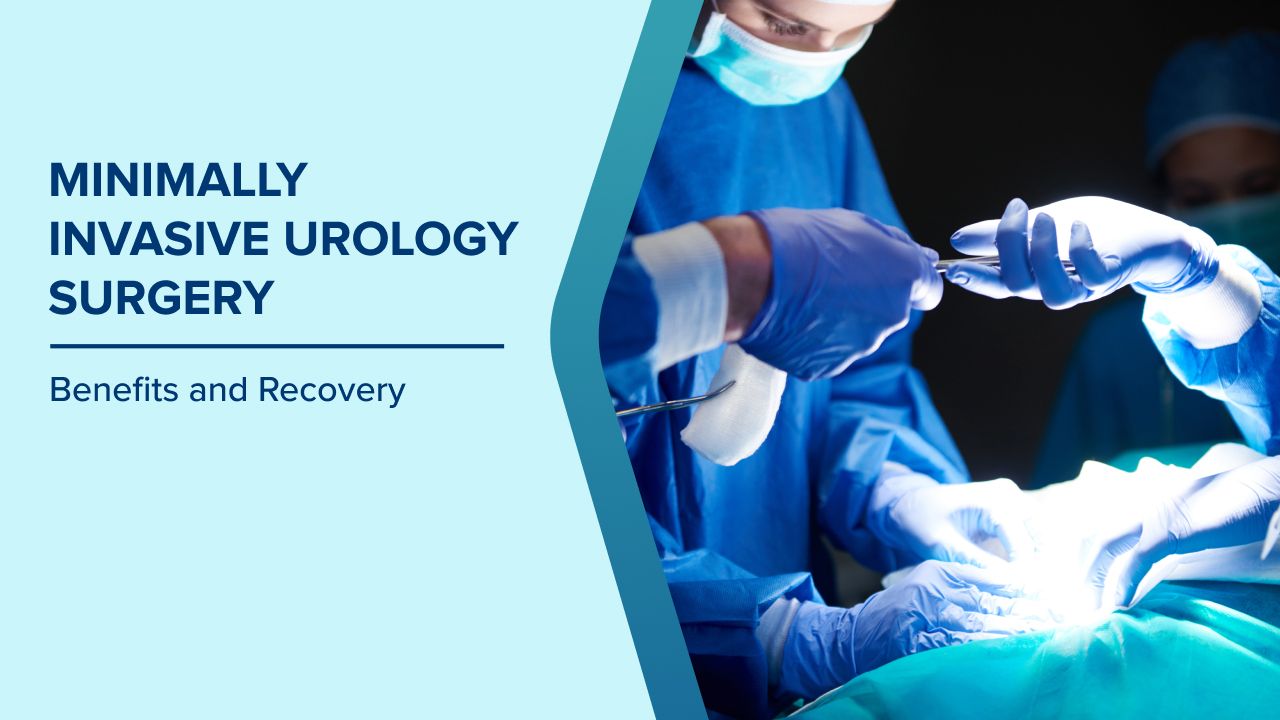
Call Us+91 926 888 0303Benefits of Minimally Invasive Urology Surgery: Preparing & Recovery
By Dr Paresh Jain in Urology , Robotic Surgery
Feb 06 , 2026
1

Urological conditions often affect deeply personal aspects of life, including comfort, privacy, mobility, and daily routines. When surgery becomes necessary, patients naturally want an approach that supports healing while allowing them to regain normalcy with confidence. Minimally invasive urology surgery has become an important part of modern care because it aligns treatment with patient comfort, planning, and long-term well-being rather than disruption.
Instead of focusing on tools or techniques, it is more meaningful to understand how minimally invasive urology surgery shapes the overall experience before surgery, during recovery, and after returning to everyday life.
Why Minimally Invasive Approaches Are Reshaping Urology Care
Minimally invasive surgery in urology reflects a shift toward patient-centred treatment. The goal is not only to address the medical condition but also to minimise the impact surgery has on physical routines and emotional well-being.
This approach allows surgeons to:
- Limit unnecessary tissue disruption
- Support smoother healing patterns
- Encourage early independence after surgery
- Maintain continuity between hospital care and home recovery
For patients, this often means a surgical journey that feels more manageable and predictable.
Preparing for Surgery With Clarity and Confidence
Preparation plays a key role in how patients experience surgery and recovery. Before minimally invasive urology procedures, patients are guided through a structured planning phase that focuses on understanding and readiness.
This preparation often includes:
- Clear explanation of the procedure and recovery expectations
- Guidance on diet, hydration, and medications
- Instructions for the day of surgery
- Discussion around temporary lifestyle adjustments
When expectations are clearly set, patients feel more in control and less anxious as they approach surgery.
Read More:- Advanced Robotic Surgery in Urology: Benefits & Recovery
What Recovery Feels Like After Minimally Invasive Urology Surgery
Recovery is not just about healing tissues. It involves how the body adapts, how energy levels fluctuate, and how confidence gradually returns.
Patients often notice:
- Gradual improvement rather than sudden changes
- Mild fatigue as the body heals internally
- Improved comfort with daily movements over time
- Steady return of appetite and sleep patterns
This phase requires patience and attention to the body’s signals rather than rushing milestones.
Regaining Comfort in Everyday Movements
Movement is an essential part of recovery. Early and gentle activity helps restore circulation and confidence without overburdening the body.
Patients are usually encouraged to:
- Walk short distances several times a day
- Sit and stand slowly to avoid strain
- Maintain an upright posture where possible
- Avoid sudden or strenuous movements initially
These small, consistent actions support the gradual rebuilding of strength and independence.
Managing Energy, Sleep, and Appetite During Healing
Healing requires energy, and it is normal for patients to feel more tired than usual in the initial weeks after surgery. This is part of the body’s natural recovery process.
Helpful recovery habits include:
- Prioritising rest without remaining inactive
- Maintaining regular sleep schedules
- Eating balanced meals to support tissue repair
- Staying well hydrated throughout the day
Listening to the body during this phase allows recovery to progress steadily without unnecessary setbacks.
Read More:- What is Robotic Urological Surgery: Purpose, Benefits and Faster Recovery
Home Recovery and Ongoing Care
Once patients return home, recovery continues beyond the hospital setting. Home care focuses on observation, routine, and communication rather than constant restriction.
Important aspects of home recovery include:
- Keeping the surgical area clean and dry
- Following prescribed medication schedules
- Monitoring changes in urinary patterns
- Attending scheduled follow-up appointments
Clear instructions and access to medical support help patients feel reassured during this stage.
Emotional Adjustment After Urological Surgery
Urological procedures can affect emotional well-being due to their personal nature. Recovery involves not only physical healing but also mental adjustment.
Patients may experience:
- Temporary anxiety about recovery progress
- Heightened awareness of bodily changes
- Concerns about returning to normal activities
- Relief once daily routines resume
Open communication with healthcare providers and family support plays a key role in emotional recovery.
Returning to Work and Social Activities
Resuming professional and social activities is an important milestone. The timing depends on individual recovery, job demands, and overall energy levels.
Patients are often advised to:
- Resume desk work gradually
- Avoid prolonged sitting without breaks
- Stay attentive to hydration needs
- Pace social interactions to avoid fatigue
A flexible return plan supports confidence and reduces pressure during recovery.
Long-Term Lifestyle Integration After Surgery
Minimally invasive urology surgery often serves as a turning point for patients, prompting them to reassess their health habits. Recovery provides an opportunity to adopt practices that support long-term urinary and overall health.
Positive lifestyle considerations may include:
- Maintaining consistent hydration habits
- Following balanced nutrition plans
- Engaging in regular low-impact activity
- Attending routine follow-up assessments
These steps help sustain surgical outcomes and promote overall well-being.
Why Recovery Planning Matters as Much as the Procedure
Successful outcomes are not defined solely by the operation itself. Recovery planning ensures that healing continues smoothly beyond the operating room.
Effective recovery planning:
- Reduces uncertainty after discharge
- Encourages patient confidence
- Helps identify concerns early
- Supports long-term health goals
When recovery is treated as an essential phase of care, patients experience greater reassurance and clarity.
Conclusion
Minimally invasive urology surgery supports a more balanced surgical experience by aligning treatment with recovery planning and daily life needs. When care continues beyond the operation itself, patients are better equipped to heal steadily and regain confidence in their routines.
FAQs
How soon can normal hydration habits be resumed after urology surgery?
Hydration is usually encouraged early, but patients should follow personalised guidance based on their procedure and recovery progress.
Is it normal to feel emotionally low after urological surgery?
Yes, temporary emotional changes can occur as the body heals and routines shift. These feelings usually improve with time and support.
Can clothing choices affect comfort during recovery?
Loose, breathable clothing often improves comfort and reduces irritation around the surgical area.
How are follow-up visits planned after minimally invasive urology surgery?
Follow-ups are scheduled based on healing progress, symptoms, and individual care plans to ensure safe recovery.
When should patients contact their doctor during home recovery?
Patients should seek medical advice if they notice unexpected symptoms, persistent discomfort, or changes that feel concerning.
Written and Verified by:

Related Blogs

Dr. Anant Kumar In Urology , Kidney Transplant , Uro-Oncology
Nov 08 , 2020 | 8 min read

Dr. Shailendra Kumar Goel In Urology , Kidney Transplant , Uro-Oncology
Nov 08 , 2020 | 4 min read
Blogs by Doctor
Prostate Cancer: How Robotic-Assisted Surgery Improves Outcomes
Dr Paresh Jain In Urology , Robotic Surgery
Dec 03 , 2025 | 5 min read
Most read Blogs


Related Blogs
Dr. Anant Kumar In Urology , Kidney Transplant , Uro-Oncology
Nov 08 , 2020 | 8 min read
Dr. Shailendra Kumar Goel In Urology , Kidney Transplant , Uro-Oncology
Nov 08 , 2020 | 4 min read
Blogs by Doctor
Prostate Cancer: How Robotic-Assisted Surgery Improves Outcomes
Dr Paresh Jain In Urology , Robotic Surgery
Dec 03 , 2025 | 5 min read
Most read Blogs