 WhatsApp Us (24/7)
 +91 926 888 0303 (24/7)


To Book an Appointment
Call Us+91 926 888 0303Anti-Inflammatory Diet: Foods to Help Reduce Chronic Inflammation
By Ritika Samaddar in Dietetics
Apr 29 , 2026

Chronic inflammation can affect the body in subtle ways at first, often showing up as fatigue, aches, or low-level discomfort. Over time, these effects may contribute to more serious health issues, making it important to pay attention to factors that influence inflammation. One of the strongest influences comes from the foods we eat, as some can increase inflammation while others can help in reducing inflammation. Knowing which foods support the body can help reduce risks, improve energy, and make daily life feel easier. In this blog, we explain why an anti-inflammatory diet matters and highlight 10 foods that may help reduce chronic inflammation. But first, let’s start with the basics.
What is Chronic Inflammation?
Inflammation is the body’s natural response to injury, infection, or harmful substances, helping to protect and heal tissues. Short-term inflammation, like swelling after a cut, is normal and usually helpful. Chronic inflammation, on the other hand, lasts for weeks, months, or even years, and can quietly damage the body over time. Unlike acute inflammation, it may not cause obvious symptoms at first, but it can affect organs, tissues, and overall health, increasing the risk of conditions such as heart disease, diabetes, arthritis, and other long-term illnesses. Chronic inflammation can result from a combination of lifestyle factors, environmental triggers, and underlying health conditions, making it important to recognize and manage early.
What Causes Chronic Inflammation?
Chronic inflammation occurs when the body’s natural defence system stays active for too long, even when there is no immediate threat. Several lifestyle and health factors can contribute to this ongoing inflammation:
- Poor dietary habits: Consuming large amounts of processed foods, refined sugars, and unhealthy fats can trigger the body’s inflammatory responses. Diets low in fruits, vegetables, and whole grains may also deprive the body of nutrients that help regulate inflammation.
- Lack of physical activity: A sedentary lifestyle can cause the body to remain in a low-level state of stress, which may increase inflammation over time. Regular movement helps regulate immune responses and maintain a healthy balance.
- Prolonged stress: Chronic mental or emotional stress can elevate stress hormones like cortisol, which can keep inflammatory processes active and affect overall health.
- Smoking and excessive alcohol use: Both introduce toxins into the body that can irritate tissues, damage cells, and trigger long-term inflammatory responses.
- Underlying health conditions: Obesity, autoimmune disorders, persistent infections, and other chronic illnesses can make the immune system overactive, causing inflammation to continue beyond its protective role.
How Does Diet Affect Inflammation?
The foods we eat every day can influence how the body responds to stress and injury. Diets high in refined sugars, processed foods, and unhealthy fats may keep the body in a low-level state of inflammation. Nutrients like omega-3 fatty acids, fibre, and plant-based compounds play a key role in keeping inflammation in check. Also, whole foods rich in vitamins, minerals, antioxidants, and healthy fats can help reduce inflammatory signals. They protect cells from damage and support the immune system.
10 Foods That May Help Reduce Inflammation
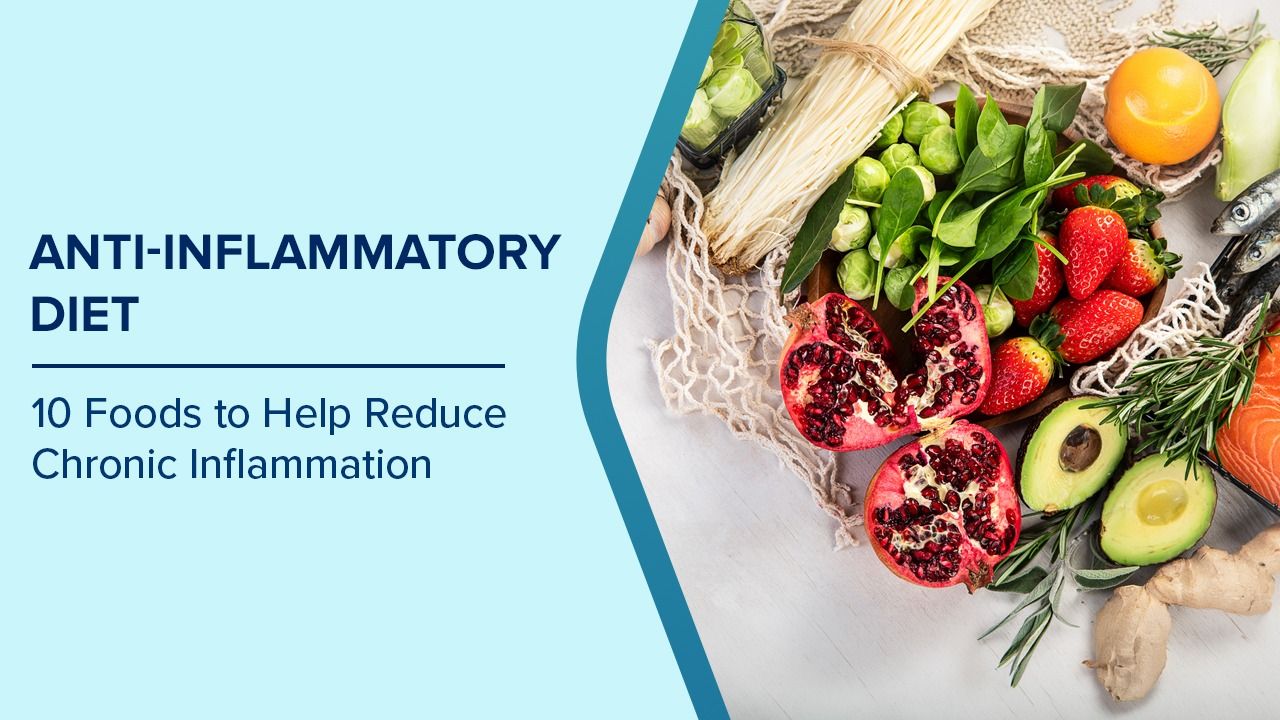
Eating the right foods can help the body manage inflammation and protect long-term health. Some foods contain nutrients that actively reduce inflammatory signals, while others help shield cells from damage. The following list highlights 10 foods that reduce inflammation:
- Fatty Fish: Fatty fish such as salmon, mackerel, sardines, and trout are rich in omega-3 fatty acids. These healthy fats are known to reduce the production of molecules and substances linked to inflammation. Including fatty fish in your diet two to three times a week can support heart health, improve brain function, and help manage chronic inflammation naturally.
- Leafy Green Vegetables: Spinach, kale, Swiss chard, and collard greens are packed with vitamins like A, C, and K, along with minerals and antioxidants. These nutrients help fight oxidative stress, which is closely linked to inflammation. Adding a variety of leafy greens to salads, soups, and stir-fries can provide consistent anti-inflammatory benefits.
- Berries: Blueberries, strawberries, raspberries, and blackberries contain flavonoids and anthocyanins, compounds that help reduce inflammation and protect cells from damage. Their natural sweetness makes them an easy and healthy snack or a tasty addition to breakfast, yogurt, or smoothies. Regular intake of berries can also support heart health and improve immune function.
- Nuts and Seeds: Almonds, walnuts, chia seeds, and flaxseeds are excellent sources of healthy fats, protein, and fibre. They help regulate inflammatory responses and provide sustained energy. A handful of nuts or a tablespoon of seeds each day can be a simple way to include these anti-inflammatory foods in your diet.
- Olive Oil: Extra virgin olive oil is rich in monounsaturated fats, antioxidant Vitamin K and compounds such as polyphenols that help reduce inflammation. Using it as a cooking oil, drizzling it over salads, or adding it to dips can provide protective benefits for the heart and reduce chronic inflammation over time.
- Turmeric: Turmeric contains curcumin, a powerful anti-inflammatory compound. Curcumin works by inhibiting molecules in the body that drive inflammation. Adding turmeric to curries, soups, or golden milk can support joint health, digestion, and overall immunity. Combining it with black pepper enhances its absorption significantly.
- Ginger: Ginger has been traditionally used for its soothing properties and anti-inflammatory effects. Fresh or powdered ginger can help reduce inflammatory markers and improve digestion. Incorporating ginger into teas, smoothies, or cooking can be an easy and flavorful way to gain its benefits.
- Garlic: Garlic contains sulfur compounds that support immune function and may have mild anti-inflammatory effects. Regular inclusion of fresh or roasted garlic in meals can help reduce the risk of chronic inflammation and protect the body against infections and oxidative stress.
- Tomatoes: Tomatoes are a rich source of lycopene, an antioxidant that helps reduce inflammation and protect cells from oxidative damage. Cooking tomatoes increases the availability of lycopene, making sauces, soups, or stews an effective way to include them in the diet.
- Green Tea: Green tea contains polyphenols, particularly epigallocatechin-3-gallate (EGCG), which have anti-inflammatory properties. Drinking a cup or two daily can help lower inflammation, support heart health, and provide gentle protection against cell damage. Green tea is also a soothing alternative to sugary beverages.
Which Foods Can Increase Inflammation and Should be Avoided?
Some foods as listed below can trigger the body’s inflammatory response, and reducing these can help protect overall health:
- Sugary drinks and sweets: Soft drinks, candy, pastries, and sweetened beverages cause rapid spikes in blood sugar, which can trigger inflammatory responses and contribute to long-term health issues.
- Fried foods: French fries, fried snacks, and deep-fried fast foods contain unhealthy fats, including trans fats, that can increase inflammation and affect heart health.
- Processed meats: Sausages, bacon, hot dogs, and deli meats often contain preservatives, additives, and high levels of sodium, which can stimulate inflammation in the body.
- Excess red meat: Frequent consumption of beef, lamb, or pork - especially when grilled or cooked at high temperatures - can raise inflammatory markers and may affect cardiovascular health.
- Refined grains: White bread, white rice, and many packaged cereals are low in fibre and nutrients, causing blood sugar spikes that can contribute to chronic inflammation.
- Full-fat dairy products: Butter, cream, and certain cheeses are high in saturated fats, which may promote inflammatory responses in some individuals when consumed in large quantities.
- Highly processed snacks: Packaged chips, crackers, and instant noodles often contain trans fats, refined oils, and additives that can trigger long-term inflammation.
Ways to Follow an Anti-Inflammatory Diet in Daily Life
Making small changes to your daily meals can have a big impact on inflammation over time. By choosing the right foods and cooking methods, it is possible to support your body’s natural balance, improve energy, and protect long-term health. Here are some practical ways to follow an anti-inflammatory diet in everyday life:
- Include a variety of colourful fruits and vegetables: Aim to fill half your plate with vegetables and add fruits like berries or citrus to meals and snacks. Different colours often mean different antioxidants, which help fight inflammation.
- Choose whole grains over refined grains: Swap white rice, bread, and pasta for brown rice, quinoa, oats, millets or whole-wheat options. Whole grains provide fibre and nutrients that support the body’s natural balance.
- Incorporate fatty fish regularly: Include salmon, mackerel, sardines, or trout at least two to three times a week to benefit from anti-inflammatory omega-3 fatty acids.
- Use healthy fats: Replace butter or margarine with olive oil, avocado, or nuts. These healthy fats help reduce inflammatory markers and support heart health.
- Add herbs and spices: Turmeric, ginger, garlic, cinnamon, and other spices not only enhance flavour but also provide natural anti-inflammatory compounds.
- Snack smartly: Choose nuts, seeds, fresh fruits, or Greek yogurt instead of processed snacks high in sugar, refined grains, or unhealthy fats.
- Drink anti-inflammatory beverages: Replace sugary drinks with green tea, herbal teas, or water infused with fruits and herbs. These options can reduce inflammation while keeping hydration levels up.
- Limit processed and fried foods: Reduce intake of packaged snacks, fast foods, sugary desserts, and fried items. Focus on fresh, minimally processed ingredients for meals.
- Cook at home more often: Preparing meals at home gives control over ingredients, cooking methods, and portion sizes, helping to maintain an anti-inflammatory approach consistently.
- Maintain consistency, not perfection: Small, consistent changes, like adding one extra serving of vegetables per day or swapping a sugary drink for green tea, can make a bigger difference than occasional strict dieting.
Consult Today
Making changes to your diet can feel overwhelming at first, but you do not have to overhaul everything overnight. Start small, maybe by swapping your cooking oil for extra virgin olive oil this week or tossing a handful of berries into your morning yogurt, and let those little wins build your confidence over time. That said, if you have been dealing with persistent or unexplained symptoms, no blog or diet plan should replace a real conversation with a professional who knows your full health picture. We encourage you to book a consultation with a Rheumatologist or Internal Medicine Specialist at Max Hospital, who can help you understand the root cause of your inflammation and guide you toward a plan that is truly personalised to your body and your life.
Frequently Asked Questions
Can drinking coffee affect inflammation?
Moderate coffee consumption may have antioxidant benefits, but excessive intake or sugary coffee drinks can contribute to inflammation in some people. It’s best to enjoy coffee in moderation and avoid added sugars.
Are all fats bad for inflammation?
No, healthy fats from sources like olive oil, nuts, seeds, and fatty fish can actually reduce inflammation. It’s the trans fats and certain processed fats that may worsen inflammatory responses.
Can an anti-inflammatory diet help with weight management?
Yes, focusing on whole foods, vegetables, fruits, and healthy fats can support healthy metabolism and weight management, which in turn helps reduce inflammation.
Is it necessary to take supplements for an anti-inflammatory diet?
Supplements can help in some cases, but most nutrients that fight inflammation are best obtained through a balanced diet. Consulting a specialist can help determine if supplementation is needed.
How long does it take to notice benefits from an anti-inflammatory diet?
Some people may feel improvements in energy or digestion within a few weeks, but long-term benefits like reduced risk of chronic conditions generally take several months of consistent dietary changes.
Can an anti-inflammatory diet help with skin health?
Yes, eating foods rich in antioxidants, vitamins, and healthy fats may improve skin appearance and reduce issues linked to inflammation, such as redness or acne.
Are there drinks other than green tea that help reduce inflammation?
Herbal teas like chamomile, ginger tea, and turmeric tea can also provide anti-inflammatory benefits while keeping you hydrated.
Written and Verified by:

Related Blogs

Medical Expert Team
Jun 30 , 2014 | 2 min read

Blogs by Doctor


Diet And Lifestyle Changes A Move Towards a Healthy Heart
Ritika Samaddar In Dietetics , Nutrition And Dietetics
Aug 21 , 2014 | 4 min read
Most read Blogs


Related Blogs
Medical Expert Team
Jun 30 , 2014 | 2 min read
Blogs by Doctor
Diet And Lifestyle Changes A Move Towards a Healthy Heart
Ritika Samaddar In Dietetics , Nutrition And Dietetics
Aug 21 , 2014 | 4 min read
Most read Blogs