 WhatsApp Us (24/7)
 +91 926 888 0303 (24/7)


Best Blood cancer Hospital in Ghaziabad
-
 6+ specialist doctors
-
6+ specialist doctors
To Book an Appointment
Call Us+91 926 888 0303Located at - W-3, Ashok Marg, near Radisson Blu Hotel, Sector-1, Vaishali, Ghaziabad, Uttar Pradesh 201012
Why Choose Max Hospital, Ghaziabad for Blood Cancer
People from following locations visit Max Super Speciality Hospital, Ghaziabad: Indirapuram, Kaushambi, Vaishali, Vasundhara, Old Ghaziabad, Kavi Nagar, Raj Nagar, Raj Nagar Extension, Crossing Republik, Noida, Noida Extension, Gaur City
Located at - W-3, Ashok Marg, near Radisson Blu Hotel, Sector-1, Vaishali, Ghaziabad, Uttar Pradesh 201012

Filters
Doctors Available

Dr. Vikas Goswami
Senior Director - Medical Oncology (Breast & Gynaecological Cancers, Lung Cancer, Gastrointestinal (GI) Cancers, Head & Neck / Oral Cancers, Urology (Genitourinary) Cancers, Haematological (Blood) Cancers)
Medical Oncology, Cancer Care / Oncology, Breast Cancer, Gynecologic Oncology, Thoracic Oncology, Gastrointestinal & Hepatobiliary Oncology, Head & Neck Oncology, Uro-Oncology, Hematology Oncology
Experience: 23+ Years
Gender: Male
{"FirstAvailable":"2026-06-30 11:10 AM","FirstInHospital":"2026-06-30 11:10 AM","FirstVC":"","Hospital":{"max-super-speciality-hospital-vaishali":{"FirstAvailable":"2026-06-30 11:10 AM","FirstInHospital":"2026-06-30 11:10 AM","FirstVC":""},"max-super-speciality-hospital-patparganj":{"FirstAvailable":"2026-07-01 1:00 PM","FirstInHospital":"2026-07-01 1:00 PM","FirstVC":""},"max-multi-speciality-centre-noida":{"FirstAvailable":"2026-07-01 4:00 PM","FirstInHospital":"2026-07-01 4:00 PM","FirstVC":""}}}

Dr. Prachi Jain (Pediatric Oncology)
Associate Director - Medical Oncology (Hemato - Oncology, Paediatrics)
Cancer Care / Oncology, Hematology Oncology, Neuro Oncology, Musculoskeletal Oncology, Paediatric (Ped) Hematology, Paediatric (Ped) Oncology, Medical Oncology
Experience: 15+ Years
Gender: Female
{"FirstAvailable":"2026-06-30 12:00 PM","FirstInHospital":"2026-06-30 12:00 PM","FirstVC":"2026-06-30 12:00 PM","Hospital":{"max-super-speciality-hospital-patparganj":{"FirstAvailable":"2026-06-30 12:00 PM","FirstInHospital":"2026-07-02 1:00 PM","FirstVC":"2026-06-30 12:00 PM"},"max-super-speciality-hospital-vaishali":{"FirstAvailable":"2026-06-30 12:00 PM","FirstInHospital":"2026-06-30 12:00 PM","FirstVC":""}}}
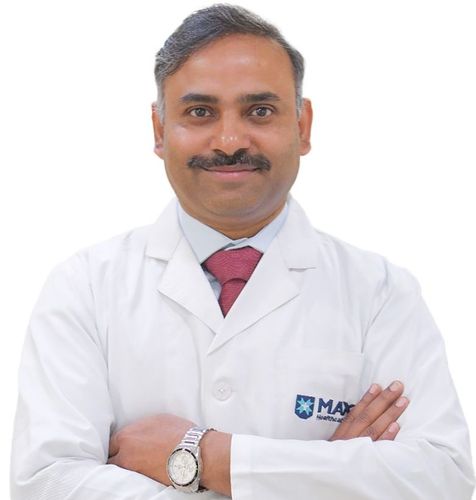
Dr Pradeep Kumar
Associate Director – Haemato Oncology & BMT
Hematology Oncology, Bone Marrow Transplant
Gender: Male
Languages Spoken: Hindi, English
{"FirstAvailable":"2026-06-30 9:30 AM","FirstInHospital":"2026-06-30 9:30 AM","FirstVC":"","Hospital":{"max-super-speciality-hospital-vaishali":{"FirstAvailable":"2026-06-30 9:30 AM","FirstInHospital":"2026-06-30 9:30 AM","FirstVC":""},"undefined":{"FirstAvailable":"2026-07-01 12:00 PM","FirstInHospital":"2026-07-01 12:00 PM","FirstVC":""}}}
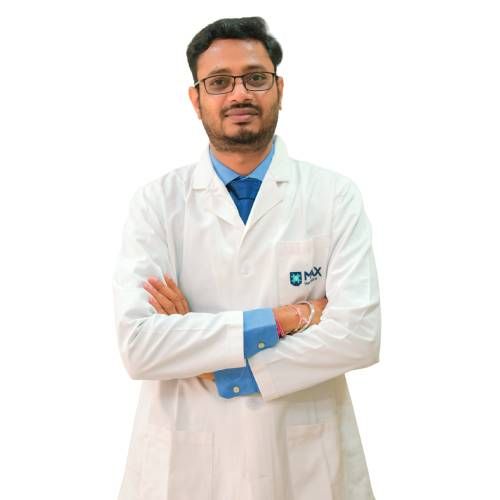
Dr Avinash Gupta
Senior Consultant - Haematopathology
Bone Marrow Transplant, Hematology Oncology
Gender: Male
Languages Spoken: Hindi, English
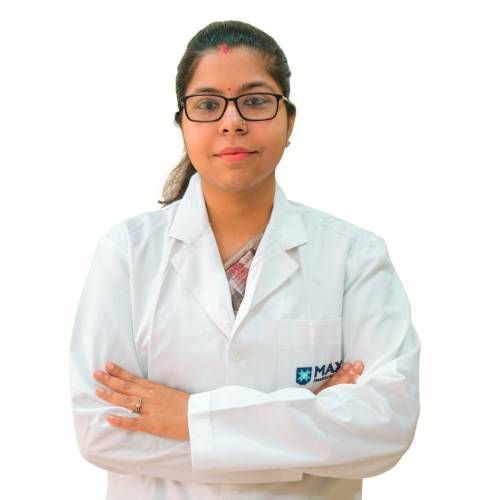
Dr Malini Garg
Consultant – Clinical Haematology, Haemato-oncology & BMT
Bone Marrow Transplant, Hematology Oncology
Gender: Female
Languages Spoken: Hindi, English
{"FirstAvailable":"2026-06-30 9:00 AM","FirstInHospital":"2026-06-30 9:00 AM","FirstVC":"","Hospital":{"max-super-speciality-hospital-vaishali":{"FirstAvailable":"2026-06-30 9:00 AM","FirstInHospital":"2026-06-30 9:00 AM","FirstVC":""}}}

Dr. Rohit Kapoor
Consultant - Pediatric Hematology/Oncology & BMT
Musculoskeletal Oncology, Hematology , Paediatric (Ped) Hematology, Bone Marrow Transplant, Cancer Care / Oncology, Paediatric (Ped) Oncology, Medical Oncology, Neuro Oncology, Hematology Oncology
Gender: Male
{"FirstAvailable":"2026-06-30 11:00 AM","FirstInHospital":"2026-06-30 11:00 AM","FirstVC":"","Hospital":{"max-super-speciality-hospital-vaishali":{"FirstAvailable":"2026-06-30 11:00 AM","FirstInHospital":"2026-06-30 11:00 AM","FirstVC":""},"undefined":{"FirstAvailable":"2026-06-30 2:00 PM","FirstInHospital":"2026-06-30 2:00 PM","FirstVC":""},"max-multi-speciality-centre-noida":{"FirstAvailable":"2026-07-03 3:00 PM","FirstInHospital":"2026-07-03 3:00 PM","FirstVC":""}}}
Can't find what you are looking for?
Blood Cancer Types We Treat at Max Cancer Hospital, Vaishali, Ghaziabad
At Max Hospitals, Vaishali, Ghaziabad, patients receive care for a wide range of blood cancers through a coordinated, multidisciplinary approach. Our team of specialists manages both common and complex conditions, ensuring that each patient receives treatment tailored to their specific diagnosis and overall health. Here are some of the key blood cancer types we treat, though this is not an exhaustive list.
Leukaemia
Leukaemia is a cancer that affects the blood-forming tissues, including the bone marrow. It leads to the excessive production of abnormal white blood cells, which interfere with the body’s ability to fight infections and maintain healthy blood function. Acute forms such as Acute Lymphocytic Leukaemia (ALL) and Acute Myeloid Leukaemia (AML) tend to progress rapidly and require prompt treatment, while chronic types like Chronic Lymphocytic Leukaemia (CLL) and Chronic Myeloid Leukaemia (CML) usually develop more slowly and may be managed over time.
Lymphoma
Lymphoma begins in the lymphatic system, an important part of the immune system. It affects lymphocytes, a type of white blood cell, causing them to grow uncontrollably. This condition is broadly classified into Hodgkin lymphoma, which is identified by specific abnormal cells, and non-Hodgkin lymphoma, a diverse group of subtypes that may affect lymph nodes as well as other organs.
Myeloma
Myeloma, or multiple myeloma, is a cancer of plasma cells, specialised white blood cells responsible for producing antibodies. In this condition, abnormal plasma cells accumulate in the bone marrow, disrupting normal blood cell production and producing harmful proteins. Over time, this can lead to complications such as bone damage, kidney problems, and reduced immunity.
Comprehensive Blood Cancer Diagnosis at Max Cancer Hospital, Vaishali, Ghaziabad
An accurate and timely diagnosis is essential for planning effective blood cancer treatment. At Max Hospitals, Vaishali, Ghaziabad, the diagnostic process is designed to identify the exact type, stage, and behaviour of the disease, allowing doctors to recommend the most appropriate course of care.
The evaluation typically begins with a detailed clinical assessment, including a review of symptoms and medical history, followed by a series of specialised investigations.
- Blood tests: Initial tests such as a Complete Blood Count (CBC) help assess levels of red blood cells, white blood cells, and platelets. Any abnormalities can provide early indications of a blood disorder. Additional tests may be conducted to examine cell structure and detect specific markers.
- Bone marrow examination: A bone marrow aspiration and biopsy involve collecting a small sample, usually from the hip bone, to study the presence and extent of abnormal cells. This remains one of the most definitive tests for diagnosing many blood cancers.
- Imaging studies: Techniques such as CT scans, MRI scans, and PET scans are used to determine whether the disease has spread to lymph nodes or other organs, helping in accurate staging.
- Molecular and genetic testing: Advanced tests analyse genetic changes and specific markers within cancer cells. These insights help doctors understand how the disease may behave and guide the selection of targeted therapies.
- Lymph node biopsy: In cases where lymphoma is suspected, a sample from an affected lymph node may be examined to confirm the diagnosis and identify the subtype.
By combining clinical expertise with advanced diagnostic tools, the focus remains on ensuring clarity in diagnosis and enabling a personalised treatment plan for every patient.
Blood Cancer Treatment at Max Cancer Hospital, Vaishali, Ghaziabad
Treatment for blood cancer has advanced significantly, offering patients more precise and effective options than ever before. At Max Hospitals, Vaishali, Ghaziabad, treatment plans are carefully tailored based on the type of cancer, its stage, and the patient’s overall health, ensuring a personalised and well-coordinated approach.
Chemotherapy
Chemotherapy remains a cornerstone in the treatment of many blood cancers. It involves the use of specialised drugs to destroy cancer cells or slow their growth. Depending on the condition, these medications may be given orally or through intravenous infusions, often in carefully planned combinations.
Targeted therapy
Targeted therapy focuses on specific genes or proteins that help cancer cells grow and survive. By acting on these precise pathways, it aims to control the disease while limiting damage to healthy cells, often resulting in fewer side effects compared to conventional treatments.
Immunotherapy
Immunotherapy works by strengthening the body’s natural defence system to recognise and attack cancer cells. Advanced approaches, such as CAR T-cell therapy, involve modifying a patient’s immune cells to make them more effective in identifying and eliminating cancer.
Bone marrow transplant (stem cell transplant)
A bone marrow transplant replaces damaged or diseased bone marrow with healthy stem cells. This procedure is often recommended after intensive treatment to rebuild the body’s ability to produce healthy blood cells. Depending on the case, stem cells may come from the patient or a suitable donor.
Radiation therapy
Radiation therapy uses high-energy beams to target and destroy cancer cells in specific areas. It may be used in certain types of lymphoma or as part of preparation for a stem cell transplant.
Active monitoring
For some slow-growing blood cancers, immediate treatment may not be necessary. In such cases, doctors may recommend a structured “watch and wait” approach, with regular monitoring to track the condition and begin treatment when required.
Review
Reviewed by Dr Pradeep Kumar, Associate Director – Haemato Oncology & BMT, Bone Marrow Transplant, on 12 March 2026.
Frequently Asked Questions
Can blood cancer be cured completely?
Many types of blood cancer can be effectively treated, especially when diagnosed early. With advances such as targeted therapy, immunotherapy, and stem cell transplantation, some patients achieve long-term remission, while others are able to manage the condition as a chronic illness.
What symptoms should one watch for?
Common signs may include ongoing fatigue, unexplained weight loss, frequent infections, easy bruising or bleeding, persistent fever, night sweats, or swollen lymph nodes. If these symptoms persist, it is advisable to seek medical evaluation.
How do I book a consultation for blood cancer treatment at Max Hospital, Vaishali, Ghaziabad?
Appointments can be scheduled through phone, online booking, or by visiting the hospital directly. Early consultation helps ensure timely diagnosis and treatment planning.
Is genetic testing for blood cancer available at Max Cancer Hospital, Vaishali, Ghaziabad?
Yes, advanced molecular and genetic testing is available at Max Hospital, Vaishali, Ghaziabad. These tests help identify specific genetic changes and markers within cancer cells, enabling doctors to better understand the disease and select the most appropriate targeted treatment for each patient.
How quickly should treatment begin after diagnosis?
The timing depends on the type and stage of the disease. Some aggressive cancers require immediate treatment, while others may be monitored before starting therapy. The treating doctor will recommend the most appropriate timeline.
What side effects can occur during or after treatment?
Side effects vary depending on the treatment. Chemotherapy may cause fatigue, nausea, or hair loss, while targeted therapies and immunotherapy may have different, often milder effects. Supportive care is provided to manage these symptoms.
Is bone marrow transplant available at Max Hospital, Vaishali, Ghaziabad?
Yes, bone marrow transplant services are available, including autologous and allogeneic transplants, supported by specialised infrastructure and experienced transplant teams.
How long does recovery take after a bone marrow transplant?
Recovery varies for each individual. Patients may require a few weeks of hospital stay followed by several months of monitoring to ensure proper immune system recovery and overall stability.
What types of bone marrow transplants are performed?
Different types of transplants may be recommended based on the condition: autologous (using the patient’s own cells), allogeneic (using donor cells), and haploidentical (using partially matched family donors).
What support is available after treatment?
Post-treatment care includes regular follow-ups, monitoring, and guidance on recovery. Patients are supported with medical advice, rehabilitation, and lifestyle recommendations to help maintain long-term health.
How often will I need to visit the hospital during treatment?
The frequency of visits depends on the type of blood cancer and treatment plan. Some treatments require regular hospital visits, while others may involve periodic monitoring and follow-ups.
Is there a metro station near Max Hospital, Vaishali, Ghaziabad?
Yes, the hospital is conveniently located near the Vaishali Metro Station on the Blue Line, making it easily accessible for patients and visitors travelling from different parts of Delhi NCR.
Is Max Hospital, Vaishali, Ghaziabad easy to reach from nearby areas in Delhi NCR?
Yes, the hospital is well-connected to nearby areas in Delhi NCR through major roads and public transport, making it accessible for regular visits.