For individuals facing life-threatening blood cancers, severe blood disorders, or immune deficiencies, a Bone Marrow Transplant (BMT) offers a powerful and often curative path to renewed health. At Max Super Speciality Hospital, Mohali, we are recognised as a regional leader in bone marrow transplantation, combining advanced medical expertise, state-of-the-art technology, and compassionate, holistic care. Our experienced team of haematologists and transplant specialists provides end-to-end support—from accurate diagnosis and donor matching to successful recovery and long-term follow-up—ensuring each patient receives safe, structured, and highly personalised treatment.
Conditions Treated with Bone Marrow Transplant at Max Hospital Mohali
At Max Hospital Mohali, we specialise in bone marrow transplants for patients facing serious blood and immune system conditions. Here are some of the many conditions we treat:
- Leukaemia: These are cancers of the blood-forming cells in the bone marrow. BMT is a critical treatment for both acute and chronic forms of leukaemia, allowing for the replacement of cancerous blood cells with healthy ones.
- Lymphoma (including Hodgkin's and Non-Hodgkin's): These are cancers that originate in the lymphatic system. For patients with aggressive or relapsed lymphoma, high-dose chemotherapy followed by BMT can be a curative option, replacing the diseased immune system with a healthy one.
- Multiple Myeloma: This is a cancer of plasma cells, a type of white blood cell found in the bone marrow. BMT, particularly autologous transplant (using the patient's own stem cells), is a standard treatment to achieve long-term remission and improve survival.
- Aplastic Anaemia: This severe condition occurs when the bone marrow stops producing enough new blood cells. For patients with severe aplastic anaemia, BMT offers the best chance of restoring normal blood cell production and curing the disease.
- Thalassemia Major: A severe inherited blood disorder where the body produces an abnormal form of haemoglobin, leading to chronic anaemia. For many children with thalassemia major, BMT from a matched donor is a curative treatment, eliminating the need for lifelong blood transfusions.
- Sickle Cell Disease: This is an inherited blood disorder characterised by abnormally shaped red blood cells. BMT from a matched donor can cure sickle cell disease by replacing the faulty blood-forming cells with healthy ones.
- Myelodysplastic Syndromes (MDS): These are a group of disorders where the bone marrow fails to produce healthy blood cells and can progress to acute leukaemia. BMT is often the only curative treatment option for higher-risk MDS.
- Myeloproliferative Neoplasms (MPNs): This group of disorders includes conditions like myelofibrosis and polycythaemia vera, where the bone marrow produces too many blood cells. For selected patients with advanced or high-risk MPNs, BMT can provide a curative solution.
- Inherited Immune Disorders (e.g., Severe Combined Immunodeficiency - SCID): These are genetic conditions that severely compromise the immune system, making individuals highly susceptible to infections. BMT can provide a functioning immune system, allowing these patients to live healthier lives.
- Storage Disorders (e.g., Hurler Syndrome): These are genetic disorders where the body cannot properly break down certain substances, leading to their harmful accumulation in cells. For some storage disorders, BMT can introduce healthy cells that produce the missing enzymes, preventing further disease progression and improving outcomes.
Types of Bone Marrow Transplants Available at Max Hospital Mohali
Bone Marrow Transplant (BMT) is a complex and highly effective treatment, and the approach chosen depends on the source of the healthy stem cells. At Max Super Speciality Hospital, Mohali, we offer all major types of bone marrow transplants, carefully selecting the most suitable option for each patient's specific condition and needs.
Here are the primary types of bone marrow transplants we perform at Max Hospital, Mohali.
Autologous Bone Marrow Transplant (Auto-BMT)
- What it is: In an autologous transplant, the patient is their own donor. The patient’s own healthy blood-forming stem cells are collected from their blood or bone marrow before they undergo high-dose chemotherapy or radiation therapy.
- How it works: After the intensive treatment to eliminate diseased cells, the previously collected stem cells are re-infused back into your bloodstream. These cells then 'rescue' the bone marrow, helping it to recover and produce healthy blood cells again.
- When it's used: This type is typically used for certain cancers like lymphomas and multiple myeloma, where the goal is to deliver very high doses of chemotherapy to kill cancer cells, without damaging the patient's own healthy bone marrow permanently.
Allogeneic Bone Marrow Transplant (Allo-BMT)
- What it is: In an allogeneic transplant, the patient receives healthy blood-forming stem cells from a donor. This donor can be a matched sibling, a matched unrelated donor, or a partially matched family member. The success of this type depends on how well the donor's tissue type (HLA markers) matches that of the patient.
- How it works: The donor's healthy stem cells are infused into your bloodstream after you've received chemotherapy and/or radiation to prepare your body and suppress your immune system. These new stem cells then engraft in your bone marrow, creating a new, healthy blood and immune system. A key benefit of allogeneic transplants is the "graft-versus-cancer" effect, where the donor's new immune cells can recognise and kill any remaining cancer cells.
- When it's used: This is often the preferred option for conditions like leukaemia, aplastic anaemia, thalassemia major, and other severe blood disorders, where replacing the patient's entire blood-forming system with a healthy one from a donor is crucial.
Subtypes of Allogeneic Transplants include:
- Matched Sibling Donor Transplant: Considered the ideal option for many allogeneic transplants if a full sibling with a perfect HLA match is available.
- Matched Unrelated Donor (MUD) Transplant: If a matched sibling isn't available, we search national and international registries for a perfectly matched unrelated donor.
- Haploidentical Transplant: This is a rapidly advancing type of allogeneic transplant where the donor is only a 'half-match' (haploidentical), usually a parent, child, or even a sibling. This significantly expands the pool of potential donors, making a transplant possible for many more patients who don't have a fully matched donor. Advanced techniques are used to manage potential complications.
- Umbilical Cord Blood Transplant: Stem cells are collected from the umbilical cord blood of a newborn baby shortly after birth and stored. Cord blood stem cells are very immature, meaning they don't require as perfect a match as adult stem cells, which can be advantageous. They are readily available from cord blood banks, making them a viable option when other matched donors are not found.
At Max Hospital Mohali, our team of highly skilled BMT specialists will thoroughly evaluate your condition to determine which type of bone marrow transplant is the most appropriate and effective for you, ensuring the best possible path to recovery.
Advanced Technology and Holistic Support at Max Hospital Mohali
Bone marrow transplantation is a complex and delicate procedure that demands not only clinical precision but also comprehensive, patient-centred care. At Max Hospital Mohali, we combine world-class medical technology with a compassionate, multidisciplinary approach to support patients throughout their transplant journey, whether adults or children.
High-Precision HLA Typing & Genetic Testing
Successful transplantation begins with accurate donor matching. We utilise next-generation sequencing (NGS) for detailed HLA typing and genetic analysis, significantly lowering the risk of rejection and graft-versus-host disease (GVHD).
Stem Cell Cryopreservation & Harvesting Techniques
Our team is equipped with the latest technologies for collecting and preserving stem cells—whether from peripheral blood, bone marrow, or umbilical cord sources. These techniques ensure the highest quality and safety of cells used during transplantation.
HEPA-Filtered Transplant Units with Strict Infection Control
To protect immunocompromised patients, all transplants are carried out in specialised isolation rooms fitted with HEPA filters. These units maintain a sterile environment and follow international infection control protocols to minimise risks during recovery.
Advanced Supportive Therapies (Antimicrobial, Blood Products, Growth Factors)
Transplant patients often require intensive supportive care. At Max, we offer access to modern antimicrobial treatments, blood products, and growth factors—all tailored to support bone marrow recovery and reduce the risk of complications.
Dedicated Transplant ICU & Round-the-Clock Monitoring
Our dedicated transplant intensive care units are overseen by critical care experts trained in managing haematological emergencies. With continuous monitoring and prompt interventions, we ensure timely management of any emerging issues.
Psycho-Social Counselling & Patient Education
We recognise that transplantation is as much an emotional challenge as it is a medical one. Our trained counsellors provide psychological support to patients and families, helping them cope with the stresses and transitions that come with treatment.
Nutrition & Prehabilitation Support
Patients are guided through personalised nutrition plans and physical prehabilitation programmes aimed at strengthening their immune system and preparing their body for the demanding transplant process.
Long-Term Follow-Up & Telemedicine Access
Long-term recovery is carefully managed through structured follow-up care, including regular assessments, medication adjustments, and remote consultations, particularly helpful for patients travelling from abroad or distant regions.
Bone Marrow Transplant at Max Hospital Mohali: What to Expect
We understand that undergoing a bone marrow transplant can feel overwhelming. That’s why Max Super Speciality Hospital, Mohali, offers a structured, transparent, and supportive process, guiding you every step of the way. Here’s what your journey will typically look like:
Initial Consultation and Comprehensive Evaluation
Your BMT journey begins with a thorough assessment by our multidisciplinary team. This includes a detailed review of your medical history, extensive diagnostic tests (blood tests, imaging, specific genetic tests), and in-depth discussions to determine the most suitable treatment plan for your condition. During this phase, you'll also have the opportunity to meet with our transplant counsellors who will explain the entire procedure in detail and address any concerns.
Donor Search and Preparation (if applicable)
If an allogeneic transplant (using donor cells) is indicated, our team will initiate a comprehensive search for a suitable donor. This includes screening family members for compatibility and, if needed, searching national and international registries for a matched unrelated donor. For autologous transplants (using your own cells), your healthy stem cells will be collected and processed during this preparation phase.
Conditioning (Pre-Transplant Treatment)
Once a donor is confirmed (or your own stem cells are collected), you will undergo conditioning therapy. This involves high-dose chemotherapy and/or radiation therapy, designed to prepare your body to receive the new stem cells by eliminating diseased cells and creating space in the bone marrow.
Transplant Procedure
The healthy stem cells are then infused intravenously into your bloodstream, similar to a routine blood transfusion. The transplant procedure itself is typically painless and is performed in a highly sterile, HEPA-filtered transplant unit to minimise any risk of infection during this critical time.
Post-Transplant Recovery and Hospital Stay
Following the transplant, you will remain under close observation in a specialised unit for several weeks. Our dedicated team will meticulously monitor your blood counts, organ function, and signs of engraftment (when the new stem cells begin to produce blood cells). Comprehensive supportive care, including antibiotics, blood transfusions, and nutritional therapy, will be provided as needed to aid your recovery and prevent complications.
Discharge and Ongoing Follow-Up Care
Once you are medically stable and ready for discharge, you will receive detailed instructions for home care, including medication schedules (such as immunosuppressants), dietary advice, and activity guidelines. Regular follow-up appointments, both in-person and via teleconsultation, are essential to monitor your progress, manage medications, and promptly address any concerns, ensuring your long-term health.
At Max Hospital Mohali, we are committed to delivering world-class clinical outcomes and ensuring every patient feels supported, informed, and safe throughout their healing journey.
Why Choose Max Hospital Mohali for Bone Marrow Transplant
Opting for a Bone Marrow Transplant is a significant decision, and selecting the right healthcare provider is crucial. At Max Super Speciality Hospital, Mohali, we combine unparalleled clinical expertise, cutting-edge infrastructure, and a deeply compassionate approach to ensure the best possible outcomes for every BMT patient. Here's what makes us a preferred destination for bone marrow transplants:
- Leading BMT Specialists: Our Bone Marrow Transplant programme is spearheaded by a team of highly experienced and nationally recognised haematologists, transplant surgeons, and intensive care specialists. With a proven track record of successfully performing numerous complex BMTs, including both autologous and allogeneic, as well as paediatric cases, our specialists are dedicated to delivering world-class care.
- Advanced Infrastructure for Patient Safety: Max Hospital Mohali is equipped with state-of-the-art facilities specifically designed for BMT. This includes advanced HEPA-filtered laminar flow units for stringent infection control, dedicated BMT ICUs with positive pressure environments, and modern modular operation theatres. These facilities are crucial for minimising risks and supporting every phase of the transplant journey, from pre-transplant evaluation to recovery.
- Comprehensive Donor and Recipient Care: We ensure meticulous care for both the recipient and, where applicable, the donor. Our process involves thorough medical, psychological, and ethical evaluations for all involved, followed by highly personalised care plans. This holistic approach supports both physical and emotional well-being throughout the complex BMT journey.
- Precision and Advanced Techniques: We leverage advanced techniques and technologies to enhance transplant success rates. This includes sophisticated HLA (Human Leukocyte Antigen) matching for precise donor selection, advanced stem cell collection methods, and modern cell processing laboratories to ensure optimal graft quality. Our focus on precision translates into improved surgical accuracy and better patient outcomes.
- Multidisciplinary & Holistic Support System: Successful BMT extends beyond the procedure itself. Our integrated team includes specialised BMT nurses, dietitians, physiotherapists, psychologists, and dedicated transplant coordinators. They provide continuous, holistic support before, during, and long after the transplant, assisting patients in regaining strength, managing medication, and navigating the emotional aspects of recovery.
- Ethical, Transparent, and Patient-Centric Approach: We believe in fostering an environment of clear communication and shared decision-making. Our dedicated counselling teams provide in-depth education, emotional support, and transparent guidance on the entire BMT process, including financial aspects and timelines. The patient's well-being and informed consent are always at the heart of our care.
- Convenient Access and Regional Leadership: Strategically located in Mohali, Max Hospital offers easy accessibility for patients across North India, including Chandigarh, Himachal Pradesh, Haryana, Jammu & Kashmir, and surrounding regions. This provides convenient access to a world-class Bone Marrow Transplant centre closer to home.
With a distinguished legacy of clinical excellence and a deep commitment to compassionate, patient-focused care, Max Hospital Mohali is a trusted and leading destination for bone marrow transplantation in the region, offering renewed hope and healthier futures.
Meet Our Team of BMT Specialists at Max Hospital Mohali
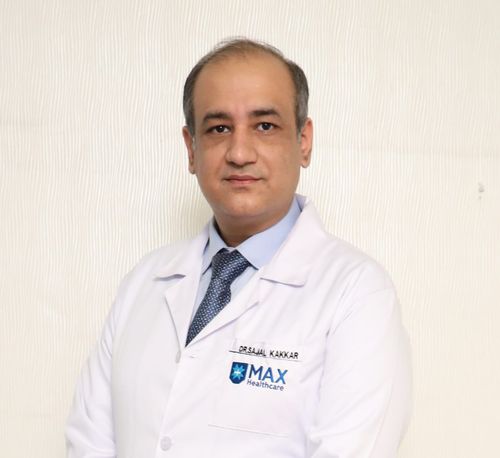
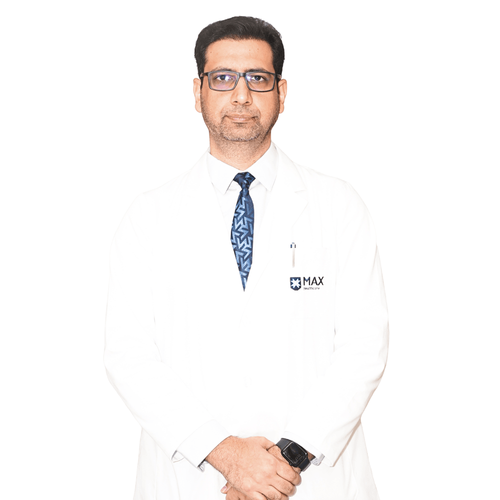
At Max Hospital Mohali, our bone marrow transplant team comprises internationally trained specialists in haematology, oncology, and transplant medicine who are known for their clinical expertise and compassionate care. They manage a wide range of complex blood and immune disorders in both adults and children, guiding each patient through every step of the transplant journey—from diagnosis and donor matching to recovery and long-term follow-up—with extensive experience in autologous, allogeneic, and haploidentical transplants.
You can view detailed profiles of our BMT experts, including their areas of specialisation, clinical background, and OPD or online consultation timings. Whether you prefer to visit in person or schedule a video consultation, our doctors are easily accessible and ready to support you with expertise and empathy.
Read Less
 WhatsApp Us (24/7)
 +91 926 888 0303 (24/7)


 6+ specialist doctors