 WhatsApp Us (24/7)
 +91 926 888 0303 (24/7)


Abstract: Electrolyte disturbances are common yet under-recognised complications in patients with enteric fever and can lead to adverse clinical outcomes if not promptly managed. Enteric fever, caused by Salmonella enterica serovars Typhi and Paratyphi, remains a major public health challenge in developing countries like India. Despite its prevalence, limited research has focused on electrolyte imbalance patterns in affected patients. This study evaluated alterations in serum electrolyte levels — specifically sodium, potassium, chloride, and bicarbonate — among adult enteric fever patients admitted to a tertiary care center in New Delhi. A hospitalbased cross-sectional analysis was conducted at Max Super Specialty Hospital, Saket, including 128 adult patients (≥ 18 years; 59 males, 69 females). Serum electrolytes were measured on admission and categorised as low, normal, or high. Descriptive statistics, including mean and standard deviation, were used to evaluate the distribution of electrolyte values, which were as follows: bicarbonate 21.37 ± 3.93 mmol/L, chloride 100.96 ± 4.18 mmol/L, potassium 4.21 ± 0.61 mmol/L, and sodium 133.70 ± 4.00 mmol/L. A significant proportion of patients exhibited hyponatraemia (58.6%) and low bicarbonate levels (57.8%), suggesting trends toward fluid-electrolyte imbalance and metabolic acidosis. In contrast, potassium and chloride levels remained largely within normal limits, with over 95% of patients maintaining normal potassium levels. The study highlights that mild to moderate hyponatraemia and metabolic acidosis (as indicated by low bicarbonate) are frequent findings among patients with enteric fever. Regular monitoring of electrolyte profiles should be integrated into the diagnostic and therapeutic workflow to mitigate potential complications and improve patient outcomes.
Key words: Enteric Fever, Serum Electrolytes, Hyponatraemia, Metabolic Acidosis, Adult Patients, Max Hospital.
Introduction
Enteric fever, encompassing both typhoid and paratyphoid fever, remains a pressing public health concern in many developing regions, including India. Caused primarily by Salmonella enterica serovar Typhi, this systemic illness is typically transmitted through the ingestion of contaminated food or water. Despite advances in hygiene and sanitation, the burden of enteric fever remains high. The World Health Organisation (WHO) estimates over 11 million cases globally each year, resulting in approximately 129,000 deaths, the majority occurring in South Asia and sub-Saharan Africa.1
In India, enteric fever continues to be a significant cause of morbidity and mortality, particularly in urban slums and semi-urban regions with inadequate sanitation and poor water quality. According to the Surveillance for Enteric Fever in India (SEFI) study, the incidence of typhoid fever in urban India is estimated at 360–1,200 cases per 100,000 population annually, with children and young adults being the most affected demographic.2 The National Centre for Disease Control (NCDC) reports that India accounts for an estimated 4.8 to 6 million cases of typhoid fever each year, with a mortality rate of approximately 0.5%.3 These alarming figures emphasise the urgent need for improved clinical monitoring and early detection of complications — such as electrolyte imbalance — that can significantly impact patient outcomes.
Electrolyte disturbances are frequently observed in systemic infections due to various factors such as prolonged fever, gastrointestinal losses (e.g., diarrhoea or vomiting), poor oral intake, and renal dysfunction. Among these, serum sodium and potassium imbalances are the most commonly reported abnormalities.4 Hyponatraemia, in particular, is widely recognised in patients with enteric fever and may result from syndrome of inappropriate antidiuretic hormone secretion (SIADH), third-space fluid losses, or renal salt-wasting.5 Additionally, metabolic acidosis due to low bicarbonate levels is often underappreciated but may significantly affect patient outcomes if left uncorrected.
While the clinical profile and antimicrobial resistance patterns of enteric fever have been extensively studied, there is a relative paucity of data specifically focusing on electrolyte imbalances in hospitalised adults. Previous studies, such as that by Ohanu et al., have highlighted the diagnostic and prognostic relevance of serum electrolyte assessment in infectious conditions, underscoring the need for routine monitoring.6
This study, conducted at Max Super Specialty Hospital, Saket, New Delhi, aimed to identify and analyse patterns of serum electrolyte alterations — namely sodium, potassium, chloride, and bicarbonate — among adult patients diagnosed with enteric fever. By characterising the extent and type of electrolyte disturbances, this study aimed to contribute valuable clinical insights that can assist healthcare providers in optimising patient management and improving treatment outcomes.
Methods
This retrospective observational study to evaluate alterations in serum electrolyte levels among enteric fever patients. Data were obtained from the laboratory information system at Max Super Specialty Hospital, Saket, New Delhi, covering patients diagnosed between January 2023 to March 2024.
A total of 240 patient records were initially retrieved. After removing duplicates and cases with incomplete electrolyte profiles, 128 patients with complete values for all four major electrolytes (sodium, potassium, chloride, and bicarbonate) were included in the final analysis.
Only the first test results from each patient were analysed to standardise comparisons and reflect the early biochemical status on admission. All tests were performed as part of routine clinical evaluation using automated biochemistry analysers, following standard procedures.
Electrolytes measured
The study assessed four key electrolytes, each essential for maintaining physiological balance and commonly affected during febrile illnesses like typhoid fever.
Chloride:
Serum chloride concentration was determined using a colorimetric method, wherein chloride ions react with specific reagents to form a coloured complex. The absorbance of this complex, measured at a specific wavelength, is directly proportional to the chloride concentration.7
Potassium:
Potassium levels were analysed via turbidimetric analysis. In this method, the sample is treated with sodium tetraphenylborate, which forms a colloidal suspension with potassium ions. The resulting turbidity, measured spectrophotometrically, corresponds to the potassium concentration within the measurable range.8
Bicarbonate:
Serum bicarbonate was measured using an enzymatic method based on the modified Forrester procedure. In this assay, phosphoenolpyruvate reacts with bicarbonate in the presence of phosphoenolpyruvate carboxylase (PEPC) to produce oxaloacetate, which is then converted to malate-by-malate dehydrogenase (MDH). This conversion is coupled with the oxidation of nicotinamide adenine dinucleotide (NADH) to NAD⁺, and the rate of NADH depletion, measured spectrophotometrically, indicates the bicarbonate concentration.7
Sodium:
Sodium concentration was determined using ion-selective electrode (ISE) technology, which measures the potential difference generated by sodium ions across a selective membrane. This method allows for accurate and direct quantification of sodium in undiluted serum or plasma.7
Electrolyte reference ranges
To classify test results, the following reference ranges were adopted based on WHO clinical guidance and peer-reviewed literature (Table 1):
| Electrolyte | Reference range (mmol/L) | Clinical source |
|---|---|---|
| Sodium (Na⁺) | 135–155 | WHO Guidelines/ Ohanu et al., 201665 |
| Potassium (K⁺) | 3.0–5.0 | |
| Chloride (Cl⁺) | 98–108 | |
| Bicarbonate (HCO₃⁺) | S22–32 |
Table 1: Classification of serum electrolyte values among enteric fever patients
Each electrolyte value was classified as low, normal, or high according to these reference ranges. The cleaned dataset was then analysed using descriptive statistics (mean, median, standard deviation), with distributions also assessed by gender.
Results
A total of 128 adult patients with confirmed enteric fever and complete serum electrolyte records were included in the analysis. Sodium, potassium, chloride, and bicarbonate levels were measured at admission.
Figure 1 illustrates the distribution of serum electrolyte levels (low, normal, high) across male and female patients for sodium, potassium, chloride, and bicarbonate. A notable proportion of females exhibited low bicarbonate and sodium levels compared to males.
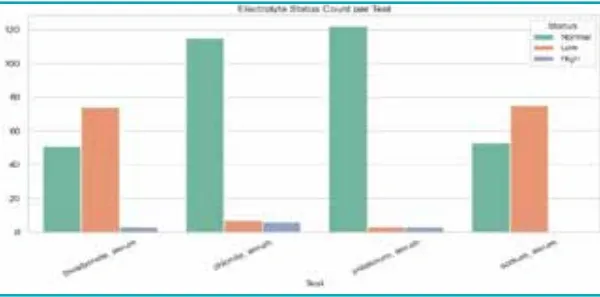
Figure 1: Distribution of electrolyte status by gender.
Electrolyte status distribution: Overall
Electrolyte abnormalities were most pronounced for sodium and bicarbonate. As shown in Table 2, 58.56% of patients had hyponatraemia, while 57.8% showed low bicarbonate levels, suggesting a trend towards metabolic acidosis. In contrast, potassium levels were largely preserved, with 95.3% of patients falling within the normal range, and only 4.7% presenting either low or high values. Similarly, chloride levels were predominantly normal (89.8%), with only a small proportion of patients presenting hypochloraemia or hyperchloraemia.
These findings further corroborate trends observed in the Ohanu et al.6 study, where sodium and bicarbonate disturbances were most common among typhoid patients, while potassium remained relatively unaffected. This emphasises the importance of monitoring sodium and bicarbonate closely during the early stages of enteric fever, particularly in patients with symptoms of dehydration or gastrointestinal loss.
| Electrolyte | Low (n) |
Normal (n) |
High (n) |
% Low | % Normal |
% High |
|---|---|---|---|---|---|---|
| Serum bicarbonate | 74 | 51 | 3 | 57.8% | 42.5% | 2.34% |
| Serum chloride | 7 | 115 | 6 | 5.4% | 89.8% | 4.68% |
| Serum potassium | 3 | 122 | 3 | 2.34% | 95.3% | 2.34% |
| Serum sodium | 75 | 53 | 0 | 58.59% | 41.4% | 0.0% |
Table 2: Distribution of electrolyte status.
| Electrolyte | Mean (mmol/L) | Standard deviation (mmol/L) |
|---|---|---|
| Serum bicarbonate | 21.37 | ± 3.93 |
| Serum chloride | 100.96 | ± 4.18 |
| Serum potassium | 4.21 | ± 0.61 |
| Serum sodium | 133.70 | ± 4.00 |
Table 3: Mean and standard deviation of serum electrolytes.
The overall mean serum electrolyte concentrations are summarised in Table 3. Sodium exhibited the highest deviation with a mean value of 133.70 ± 4.00 mmol/L, slightly below the lower reference threshold, reinforcing the high prevalence of hyponatraemia observed earlier. Mean bicarbonate was 21.37 ± 3.93 mmol/L, marginally below the lower clinical cutoff of 22 mmol/L, indicating a general trend toward metabolic acidosis.
The potassium levels were within the expected reference range (4.21 ± 0.61 mmol/L), showing relatively tight clustering and further supporting the observation that potassium regulation remained stable in most patients. The mean chloride concentration was 100.96 ± 4.18 mmol/L, which lies within the normal physiological range, with only minor deviations observed in a few patients.
| Gender | Test name | Mean | Standard deviation |
|---|---|---|---|
| Female | Serum bicarbonate | 19.82 | ± 4.57 |
| Female | Serum chloride | 101.39 | ± 3.70 |
| Female | Serum potassium | 4.36 | ± 0.59 |
| Female | Serum sodium | 132.20 | ± 6.18 |
| Male | Serum bicarbonate | 20.93 | ± 4.86 |
| Male | Serum chloride | 100.72 | ± 3.69 |
| Male | Serum potassium | 4.19 | ± 0.50 |
| Male | Serum sodium | 133.32 | ± 6.28 |
Table 4: Electrolyte distribution by gender
Gender-specific patterns are detailed in Table 4. For bicarbonate, a greater proportion of female patients were observed in the low category, with fewer in the normal range. Conversely, male patients exhibited a relatively balanced distribution, skewing slightly toward the normal range. The mean bicarbonate level in females was 19.82 ± 4.57, whereas in males it was 20.93 ± 4.86, indicating a slightly higher average in males.
For chloride, both genders predominantly had normal values, with females recording a mean of 101.39 ± 3.70 and males 100.70 ± 3.69 reflecting minimal deviation, with very few individuals in the low or high categories.
Potassium levels were largely within the normal range for both genders, with slightly higher values in females (4.36 ± 0.59) compared with males (4.19 ± 0.50). The tight standard deviation values indicate a consistent distribution across the population.
Sodium levels showed a notable skew towards low values in females (132.20 ± 6.18), while males were more represented in the normal range (133.32 ± 6.28).
Overall, males tended to have higher mean values across most electrolytes and a more balanced distribution, whereas females showed a greater tendency towards low bicarbonate and sodium levels. These findings highlight potential gender-based differences in electrolyte status and may inform targeted clinical management strategies.
Discussion
This study investigated serum electrolyte alterations among 128 adult patients with enteric fever admitted to a tertiary care center. The most prevalent abnormalities observed were hyponatraemia (58.6%) and low bicarbonate levels (57.8%), while potassium and chloride levels were largely within normal limits.
The high prevalence of hyponatraemia aligns with prior studies and can be attributed to several mechanisms commonly associated with enteric fever. These include gastrointestinal losses (diarrhoea, vomiting), reduced oral intake, and in some cases, SIADH, which is known to occur in systemic infections. SIADH leads to water retention and dilutional hyponatraemia, even in the absence of overt fluid loss. The severity of hyponatraemia may also reflect the level of dehydration or delay in seeking care
Similarly, the high frequency of low bicarbonate suggests a trend toward metabolic acidosis, which may result from volume depletion, poor tissue perfusion, and lactic acid accumulation in response to infection. The mean bicarbonate level (21.37 mmol/L) was slightly below the reference range, consistent with mild acidosis in this patient population. While arterial blood gases were not assessed, the biochemical pattern indicates a compensatory metabolic response to systemic illness.
In contrast, potassium and chloride remained largely unaffected, with over 95% of patients showing normal potassium concentrations, unlike other infections where hypokalaemia is common. This may suggest earlier presentation or less severe illness in our cohort.
Gender-based analysis revealed slightly lower average sodium and bicarbonate levels in female patients, possibly indicating a greater vulnerability to electrolyte shifts. Hormonal influences, hydration status, and differences in health-seeking behaviour may contribute to this variation and warrant further investigation.
These findings underscore the need for routine electrolyte monitoring in enteric fever management. Early detection and correction of sodium and bicarbonate imbalances can reduce complications such as seizures, confusion, or prolonged hospitalisation. Despite being an underexplored area in typhoid research, electrolyte assessment has strong clinical relevance and should be integrated into diagnostic workflows, especially in endemic settings.
Limitations of this study include its single-center design, lack of clinical outcome correlation, and absence of statistical tests to confirm significance. Nonetheless, it highlights an important aspect of supportive care in febrile illness and offers a foundation for larger prospective studies.
Disclosures
The authors declare no conflicts of interest. Artificial Intelligence (AI) assistance (ChatGPT by OpenAI) was used for grammar correction, language enhancement, and formatting improvements during manuscript preparation. The study design, data collection, analysis, interpretation, and conclusions are entirely original and solely authored by the listed contributors.
Conclusion:
This study demonstrates that significant alterations in serum electrolyte levels, particularly hyponatraemia and low bicarbonate levels, are common among patients with enteric fever. These disturbances likely result from gastrointestinal losses, systemic infection, and altered fluid balance. Among the electrolytes studied, sodium was the most frequently affected, emphasising the need for vigilant monitoring and prompt correction of electrolyte imbalances during the clinical management of enteric fever.
Our findings underscore the importance of incorporating routine electrolyte assessment in the diagnostic and therapeutic protocols for enteric fever, especially in endemic regions like India. Early recognition and management of these imbalances can reduce morbidity, shorten hospital stays, and improve patient outcomes. Further multi-centre studies with larger sample sizes are recommended to strengthen the generalisability of these results.
Shubham Mishra, Sandeep Budhiraja. Alterations in Serum Electrolyte Levels Among Enteric Fever
Patients: A Study at Max Super Specialty Hospital, Saket, New Delhi. MMJ. 2025, September. Vol 2 (3).
References
- World Health Organization. Typhoid [Internet]. WHO. Available from: https://www.who.int/news-room/fact-sheets/detail/typhoid. Accessed on: 25th June 2025.
- Bhutta ZA. Current concepts in the diagnosis and treatment of typhoid fever. BMJ. 2006;333(7558):78–82.
- John J, Bavdekar A, Rongsen-Chandola T, et al. Incidence of typhoid bacteremia in infants and young children in southern India. N Engl J Med. 2018;379(5):448–60.
- National Centre for Disease Control (NCDC). Weekly Outbreak Reports and Monthly Disease Alerts—Typhoid Fever. Integrated Disease Surveillance Programme (IDSP); 2021. Available from: https://idsp.mohfw.gov.in. Accessed on: 25th June 2025.5. Sinha A, Sazawal S, Kumar R, et al. Typhoid fever in children aged less than 5 years. Lancet. 1999;354(9180):734–7.
- Ohanu ME, Iroezindu MO, Maduakor U, et al. Typhoid fever among febrile Nigerian patients: Prevalence, diagnostic performance of the Widal test and antibiotic multi-drug resistance. Malawi Med J. 2019;31(3):184–92.
- Tietz NW. Clinical guide to laboratory tests. 3rd Edition. Philadelphia: W.B. Saunders Co.; 1995.
- McPherson RA, Pincus MR. Henry’s clinical diagnosis and management by laboratory methods. 24th Edition. Elsevier; 2021.