 WhatsApp Us (24/7)
 +91 926 888 0303 (24/7)


Abstract: Rectal cancer incidence is increasing globally, both in developed and developing countries. Neoadjuvant chemoradiotherapy (NA-CTRT) followed by total mesorectal excision is the standard of care for locally advanced rectal cancer (LARC). NA-CTRT improves sphincter preservation, reduces local recurrence, and increases pathological complete response (pCR) rates. This study aims to report the demographics and clinical outcomes (overall survival [OS], progression-free survival [PFS], and pCR rates) in patients with carcinoma rectum receiving NA-CTRT at a private tertiary cancer care centre. The radiation planning database was screened for patients who presented to the Radiation Oncology Department from January 2021 to December 2023. Sixty-seven patients with histologically confirmed rectal adenocarcinoma were identified, of whom 44 who received NACTRT were included in the study. Retrospective data were collected via discharge summaries and hospital records. Analysis was conducted using SPSS software v20. The median age of the patients at diagnosis was 55.5 years, and 68.2% were males. The most common presenting complaint was bleeding per rectum (61.4%), with the majority of patients in Stage III (79.5%). Following NA-CTRT, 45.5% patients received neoadjuvant chemotherapy (NACT) prior to surgery. Only 23 patients underwent surgery, and the dropout percentage for surgery after NA-CTRT was 47.7% due to various reasons. Postoperative histopathology demonstrated that 45.4% of patients who underwent surgery had a complete or near complete response, and the pCR rate was 22.7%. The mean PFS and mean OS for the cohort were 38 months and 40 months, respectively. Multivariate analysis identified comorbidities and the surgery performed were found to be significant prognostic factors for OS.
NA-CTRT with capecitabine is a feasible and effective approach in LARC, achieving favourable tumour regression and survival outcomes in a real-world setting. However, high dropout rates post NA-CTRT and delays in surgical intervention point to systemic barriers that warrant attention. Institutional efforts to optimise patient adherence, improve multidisciplinary coordination, and expand access to supportive care are crucial for maximising treatment benefits in such settings
Key words: Carcinoma Rectum, Rectal Adenocarcinoma, Neoadjuvant Chemoradiotherapy (NA-CTRT), Capecitabine-Based Regimen, Total Mesorectal Excision (TME), Pathological Complete Response (pCR), Progression-Free Survival (PFS), Overall Survival (OS), Locally Advanced Rectal Cancer (LARC).
Introduction
Rectal carcinoma is a significant global health burden, with an increasing incidence in both developed and developing countries. Colorectal cancer ranks third in terms of incidence and second in mortality, as per the GLOBOCAN 2022 data.1 Over recent decades, treatment strategies for locally advanced rectal cancer (LARC) have evolved significantly, with multimodal approaches improving both local control and overall survival (OS). Neoadjuvant chemoradiotherapy (NA-CTRT), particularly when employing capecitabine as a radiosensitiser, has emerged as a standard therapeutic modality for LARC (Stage II and III), offering potential tumour downstaging, increased rates of sphincter preservation, and reduced local recurrence.2-4
Capecitabine, an oral prodrug of 5-fluorouracil (5-FU), has gained widespread acceptance due to its efficacy, ease of administration, and favourable toxicity profile.5 When combined with radiotherapy, it enhances radiosensitivity and mimics continuous infusion 5-FU, making it a preferred agent in many institutional protocols.
Despite well-established guidelines, real-world evidence from private tertiary cancer centres, particularly in low and middle-income countries, is limited. Variations in patient demographics, treatment compliance, and access to multimodal care often influence outcomes in ways that may not be reflected in large clinical trials.6 Therefore, institution-specific analyses are essential for contextualising global standards within local practice environments.
This study presents a retrospective 3-year analysis of patients with carcinoma rectum treated with planned NACTRT using a capecitabine-based regimen at a private tertiary cancer care centre. The primary objectives are to evaluate the demographic profiles, clinical and pathological responses, and early outcomes of this cohort, thereby contributing valuable insights into the practical implementation and oncological effectiveness of this treatment approach in a real-world clinical setting.
Material and Methods
We screened the radiation planning database for patients who came to the Radiation Oncology Department from January 2021 to December 2023 and found 67 histologically confirmed rectal adenocarcinoma patients. Out of 67, 44 patients received NA-CTRT and were taken for analysis in this study, as shown in Figure 1.
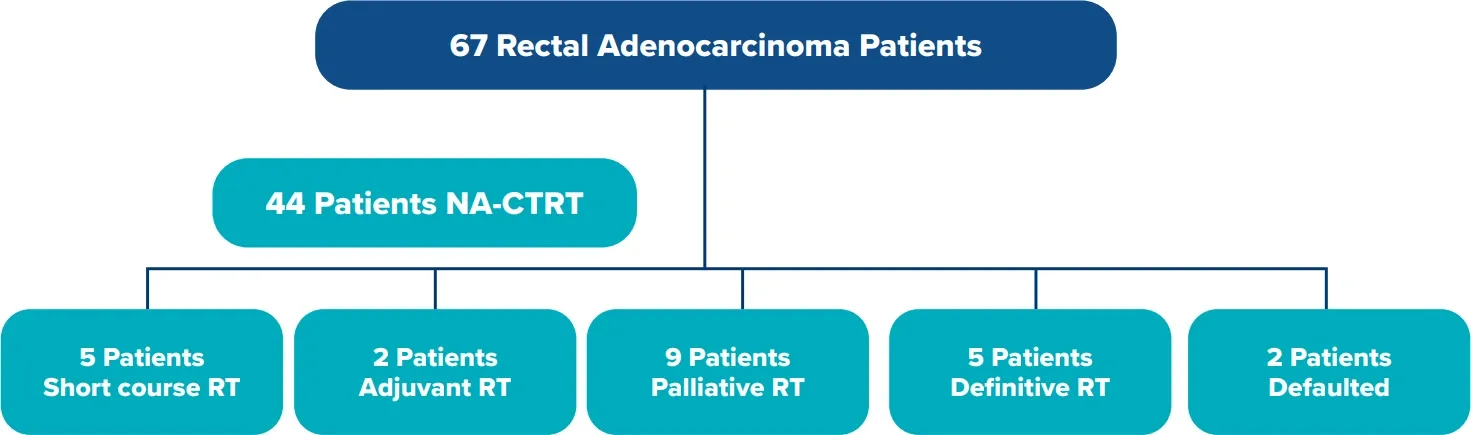
Figure 1: Consort diagram of patients who came to the Radiation Oncology Department.
NA-CTRT: Neoadjuvant Chemoradiotherapy; RT: Radiotherapy
All patients underwent contrast-enhanced planning computed tomography (CT) scans with slice thickness ranging from 2.5 to 3 mm. Non-contrast scans were performed in patients with renal impairment. Baseline magnetic resonance imaging (MRI) and positron emission tomography-computed tomography (PET-CT) scans were utilised for improved gross tumour delineation where feasible. Treatment included radiotherapy dose at either 45 Gy in 25 fractions followed by a boost of 5.4 Gy in 3 fractions, or 50 Gy in 25 fractions. The clinical target volume (CTV) encompassed the primary tumour, lymphadenopathy, and high-risk nodal areas, including the mesorectal, presacral, internal iliac, and obturator lymph nodes. Intensity-modulated radiotherapy (IMRT) was delivered using 6-MV photons through Tomotherapy or Clinac-IX machines, with on-board imaging systems for precise localisation and verification. Oral tablet capecitabine was administered concurrently at a dose of 625 mg/m2 twice daily during NA-CTRT sessions, and dose adjustment was done on the basis of complete blood counts, liver function tests, kidney function tests, age, and general condition of the patient.
Post NA-CTRT, patients were evaluated for surgical resectability with an MRI/PET-CT approximately 8–12 weeks after the last radiotherapy. Preoperative chemotherapy (0–4 cycles) was administered after NA-CTRT according to the patient’s condition and MRI assessment. Generally, radical surgery was carried out 7 to 14 weeks after the completion of NA-CTRT. Postoperative histopathology and tumour regression scores were recorded for response assessment. The follow-up details were obtained from the hospital computerised patient record system and through telephonic follow-ups. The analysis was conducted in April 2025, with a minimum follow-up period of 15 months to assess outcomes.
We aimed to report the pathological complete response (pCR) rate in patients receiving NA-CTRT and 4-year oncological outcomes for progression-free survival (PFS) and overall OS. PFS was defined as the duration from the date of diagnosis to the date of 1st progression or death from any cause or censored at the last followup visit. OS was defined as the duration from the date of diagnosis to the date of death from any cause or censored at the last follow-up visit. Survival analysis was performed using the Kaplan–Meier method, and all statistical analyses were conducted using SPSS version 20 software (IBM Corporation, Amenk, New York, NY). A Cox proportional hazards regression model was used to perform multivariate analysis of prognostic factors.
Results
The cohort consisted of 44 patients, of whom 30 (68.2%) were males. The median age of the patients at diagnosis was 55.5 years. 61.4% patients were less than or equal to 60 years of age. Comorbidities were observed in 20 (45.5%) patients, including diabetes, hypertension, coronary artery disease (CAD), hypothyroidism, and/ or chronic kidney disease (CKD). The most common presenting complaint was bleeding per rectum (PR), observed in 61.4% of patients, followed by altered bowel habits (40.9%), and perianal/abdominal pain (36.4%). Other symptoms included recurrent vomiting, pus discharge, perianal itching, loss of appetite/weight, faecal incontinence, anaemia, or generalised weakness. Diagnostic evaluations included colonoscopy/rectosigmoidoscopy and biopsy, confirming adenocarcinoma in all patients. Moderate and poorly differentiated tumours (including signet ring histology) were seen in 29.5% and 18.2% patients, respectively. Based on the distance from the anal verge, 68.2% patients had low rectal disease (disease extension up to 5 cm from anal verge), 25% patients had middle rectal disease (> 5–10 cm from anal verge), and 6.8% patients had high rectal disease (> 10–15 cm from anal verge). Imaging modalities utilised for staging included MRI alone in 25% patients, PETCT alone in 18.2% patients, and both MRI and PET-CT in 56.8% patients. Clinical staging revealed that the majority of patients were in Stage III (79.5%). The details are summarised in Table 1.
| Characteristic (N = 44) | Percentage (n) |
|---|---|
| Gender: Male/female | 68.2% (30) / 31.8% (14) |
| Median age at diagnosis (in years) | 55.5 |
| Mean (Range) | 54.7 (20–88) |
| Age group | |
| ≤ 60 years | 61.4% (27) |
| > 60 years | 38.6% (17) |
| Comorbidities present | 45.5% (20) |
| Presenting complaints | |
| Bleeding per-rectal | 61.4% (27) |
| Altered bowel habits | 40.9% (18) |
| Pain (abdominal/perianal) | 36.4% (16) |
| Other complaints | 11.4% (5) |
| Histological Grading | |
| Well-differentiated | 38.6% (17) |
| Moderately-differentiated | 29.5% (13) |
| Poorly-differentiated/signet ring | 18.2% (8) |
| Not available | 13.6% (6) |
| Investigations | |
| MRI alone | 25.0% (11) |
| PET-CECT alone | 18.2% (8) |
| MRI and PET-CECT | 56.8% (25) |
| Colonoscopy/recto-sigmoidoscopy and biopsy | 100% (44) |
| Average length of disease (in cm) | 5.8 cm |
| ≤ 6 cm | 59.1% (26) |
| > 6 cm | 40.9% (18) |
| Site of tumour involvement | |
| High rectal | 6.8% (3) |
| Middle rectal | 25.0% (11) |
| Low rectal | 68.2% (30) |
| Clinical stage | |
| cT1/2/3/4 | (0)/(6)/(26)/(12) |
| cN0/1/2 | (9)/(17)/(18) |
| cM0/1a/1b | (44)/(0)/(0) |
| Group stage | |
| Stage II | 20.5% (9) |
| Stage III | 79.5% (35) |
Table 1: Demography and baseline characteristics details
Abbreviation: CECT: Contrast-Enhanced Computed Tomography; MRI: Magnetic Resonance Imaging; PET: Positron Emission Tomography
Almost half of the patients (45.5%) received neoadjuvant chemotherapy (NACT) before surgery, the most common chemotherapy regimen used being modified FolFOx in 13 patients. Out of 44 patients, 23 patients underwent surgery, 7 patients denied surgery, 3 had progression, 2 were medically unfit for surgery, and 9 were lost to follow-up. The dropout rate for surgery after NA-CTRT was 47.7%. The 23 patients who underwent surgery had various surgical procedures as detailed in Table 2, and the average time duration to surgery after the last radiotherapy fraction was 11.9 weeks.
| Treatment details (N = 44) | Percentage (n) |
|---|---|
| Radiotherapy dose (N = 44) | |
| 50.4 Gy | 61.4% (27) |
| 50.0 Gy | 38.6% (17) |
| Neoadjuvant chemotherapy (N = 44) | |
| Yes (FolFOx/CapOx/FolFIrinOx) | 45.5% (13/6/1) |
| No | 54.5% (24) |
| Post neoadjuvant chemoradiotherapy (N = 44) | |
| Underwent surgery | 52.3% (23) |
| Patient denied surgery | 15.9% (7) |
| Lost to follow-up | 20.5% (9) |
| Progression | 06.8% (3) |
| Not fit for anaesthesia | 04.5% (2) |
| Surgical procedure (N = 23) | |
| LAR (Low anterior resection) | 21.7% (5) |
| U-LAR (Ultra-low anterior resection) | 08.7% (2) |
| APR (Abdomino-perineal resection) | 60.9% (14) |
| ISR (Inter-sphincteric resection) | 08.7% (2) |
| Average time to surgery after neoadjuvant chemoradiotherapy (in weeks) | 11.9 (± 2.9) |
| Tumour regression score (N = 23) | |
| Score 0 | 22.7% (6) |
| Score 1 | 22.7% (5) |
| Score 2 | 40.9% (9) |
| Score 3 | 13.7% (3) |
Table 2: Radiotherapy, chemotherapy, and surgical treatment details.
The postoperative histopathology and tumour regression scores showed that 45.4% patients had complete or near complete response, while 40.9% patients had partial response and 13.7% had poor/no response to NA-CTRT. The pCR rate was 22.7%. The mean PFS and mean OS for patients who received NA-CTRT were 38 months and 40 months, respectively, whereas median PFS and OS were not reached (Table 3 and Table 4). With the median follow-up of 21 months, the 4-year PFS and OS were 73% and 77% respectively, for all the patients as shown in Figure 2 and Figure 3, respectively
| Mean for Progression-Free Survival (PFS) | ||||
|---|---|---|---|---|
| Estimate | Standard error | 95% Confidence interval | ||
| Lower bound | Upper bound | |||
| 37.995 | 2.895 | 32.321 | 43.669 | |
Table 3: Mean progression-free survival (PFS). aEstimation is limited to the largest survival time if it is censored.
| Meana for Overall Survival (OS) | ||||
|---|---|---|---|---|
| Estimate | Standard error | 95% Confidence interval | ||
| Lower bound | Upper bound | |||
| 39.765 | 2.838 | 34.202 | 45.327 | |
Table 4: Mean overall survival (OS). aEstimation is limited to the largest survival time if it is censored.
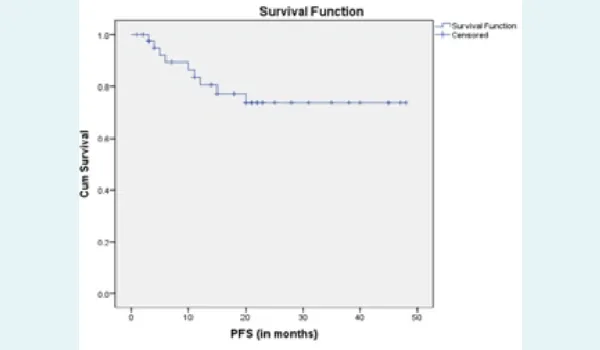
Figure 2: Kaplan–Meier survival curve for progression-free survival.
Abbreviation: PFS: Progression-Free Survival.
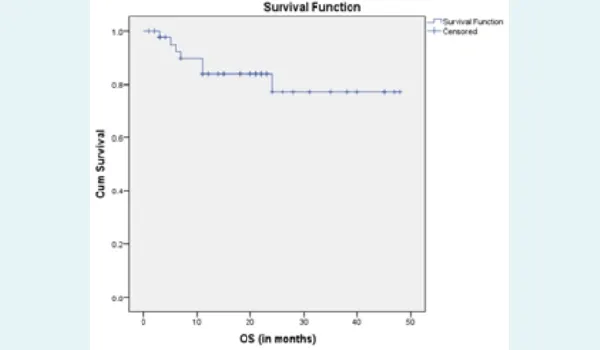
Figure 3: Kaplan–Meier survival curve for overall survival
Abbreviation: OS: Overall Survival.
A Cox proportional hazards regression model was used to perform multivariate analyses to identify different prognostic factors associated with OS (univariate analysis is shown in Table 5). Related factors for OS were investigated in univariate and multivariable analyses that included age group, gender, comorbidities, histological grade, disease length, distance of disease from anal verge, clinical tumour stage, clinical nodal stage, overall stage group, NACT before surgery, and whether surgical resection was performed. Univariate analysis of OS revealed that age group, comorbidities, distance of disease from anal verge, and NACT before surgery had p ≤ 0.05. Surgical resection was not found to be significant on univariate analysis; however was included in multivariable analysis. After multivariate adjustment, comorbidities (χ2= 7.163, p = 0.007), and surgery (χ2= 7.419, p = 0.006) were found to be significant factors for OS.
| Factors | Chi-square (χ2) | p values |
|---|---|---|
| Age group (> 60 years vs ≤ 60 years) | 5.63 | 0.018 |
| Gender (female vs male) | 0.192 | 0.662 |
| Comorbidities (present vs absent) | 5.668 | 0.017 |
| Histological grade | 1.121 | 0.772 |
| Disease length (> 6 cm vs ≤ 6 cm) | 1.112 | 0.292 |
| Distance of the disease from the anal verge | 7.173 | 0.028 |
| Clinical T stage | 5.474 | 0.065 |
| Clinical N stage | 0.974 | 0.614 |
| Stage (II vs III) | 0.408 | 0.523 |
| Neoadjuvant chemotherapy before surgery (given vs not given) | 4.597 | 0.032 |
| Surgery (done or not) | 3.022 | 0.082 |
Table 5: Univariate analysis of overall survival.
Discussion
This study provides valuable real-world data on the demographic and clinical outcomes of patients with carcinoma of the rectum undergoing planned NACTRT with a capecitabine-based regimen in a private tertiary care setting in India. The results reflect both the effectiveness and challenges associated with multimodal therapy in a population often underrepresented in global clinical trials.
The majority of patients in our cohort were male (68.2%), with a median age of 55.5 years. This aligns with data from Indian population-based cancer registries, where colorectal cancers tend to present at a younger age than in Western cohorts.1,7 A notable 61.4% of our patients were ≤ 60 years of age, supporting the trend of earlier disease onset in South Asian populations, possibly linked to genetic predisposition and dietary/lifestyle risk factors.8 A significant proportion of patients (45.5%) presented with comorbidities, which may impact treatment decisions and overall outcomes.
Low rectal tumours predominated (68.2%), consistent with regional epidemiologic data showing a higher prevalence of low rectal involvement.9 Most patients presented with advanced disease, with 79.5% in Stage III, underscoring the need for early detection strategies and timely referral.
All patients received intensity-modulated radiotherapy (IMRT), with 50.4 Gy or 50 Gy regimens, in combination with concurrent oral capecitabine. This is in line with standard international protocols and highlights the feasibility of implementing advanced radiotherapy techniques in private centres.10 The capecitabine dose (625 mg/m² BID) administered during radiation mirrors that used in major trials, such as NSABP R-04, where it demonstrated non-inferior outcomes to infusional 5-FU.11
Almost half of the cohort (45.5%) also received NACT post-NA-CTRT but prior to surgery, mainly with modified FolFOx, reflecting an adaptation of total neoadjuvant therapy (TNT) concepts emerging in modern rectal cancer management.1,12 However, the post-NA-CTRT attrition rate was substantial: 47.7% of patients did not proceed to surgery. This is a concerning finding, with reasons including patient refusal (15.9%), disease progression (6.8%), medical unfitness (4.5%), and loss to follow-up (20.5%). These data highlight systemic and socio-economic barriers to comprehensive care, such as treatment-related fatigue, financial constraints, or inadequate patient counselling.13 This dropout rate is higher than in trial settings, where compliance is tightly monitored.
Among patients who underwent surgery, the pCR rate was 22.7%. These results are consistent with published pCR rates for capecitabine-based NA-CTRT, which typically range from 15%–30%.14 A favourable tumour regression score (TRG 0–1) was seen in 45.4% of patients, indicative of effective downstaging and radiosensitisation.
At a median follow-up of 21 months, 4-year PFS and OS were 73% and 77%, respectively. While these survival results are encouraging, interpretation is limited by the relatively short follow-up period and a significant proportion of patients being lost to surgical follow-up.
On univariate analysis, age > 60 years, presence of comorbidities, low tumour location, and receipt of NACT before surgery were all significantly associated with OS (p ≤ 0.05). However, surgery showed only a trend toward significance (p = 0.082), but may have been underpowered due to the high dropout rate. Multivariate Cox regression revealed comorbidities (χ² = 7.163, p = 0.007) and surgery (χ² = 7.419, p = 0.006) as independent predictors of OS. These findings reinforce that optimal patient selection, perioperative care, and management of coexisting conditions are essential to improving outcomes. Contrary to many studies, clinical T and N staging, and group stage were not statistically significant predictors in our multivariate model, which may be attributed to the relatively small sample size and dominance of Stage III patients in the cohort.
This study’s strengths include the use of standardised treatment protocols, advanced radiotherapy techniques, and real-world demographic data from a private tertiary setting, which is underreported in the literature. However, several limitations — including its retrospective nature, relatively small sample size, high attrition, and loss to follow-up — should be acknowledged. Despite these, the study offers practical insights into the challenges and outcomes associated with NA-CTRT implementation in private oncology practice in India.
CONCLUSION:
NA-CTRT with capecitabine is a feasible and effective approach in locally advanced rectal cancer, achieving favourable tumour regression and survival outcomes in a real-world setting. However, high dropout rates post-NA-CTRT and significant delays in surgical intervention point to systemic barriers that warrant attention. Institutional efforts to optimise patient adherence, improve multidisciplinary coordination, and expand access to supportive care are crucial for maximising treatment benefits in such settings.
Rashi Agrawal, Nelesh Aggarwal, Muskan Gupta, Vivek Mangla. Demographics and Clinical Outcomes
of Carcinoma Rectum Patients After Planned Neoadjuvant Chemoradiotherapy (NA-CTRT) with
Capecitabine-Based Regimen: A 3-Year Experience from a Private Tertiary Cancer Care Centre. MMJ
2025, September. Vol 2 (3).
References
- Bray F, Laversanne M, Sung H, et al. Global cancer statistics 2022: GLOBOCAN estimates of incidence and mortality worldwide for 36 cancers in 185 countries. CA Cancer J Clin. 2024;74(3):229–63.
- Gérard JP, Conroy T, Bonnetain F, et al. Preoperative radiotherapy with or without concurrent fluorouracil and leucovorin in T3–4 rectal cancers: results of FFCD 9203. J Clin Oncol. 2006;24(28):4620–5.
- Bosset JF, Collette L, Calais G, et al. Chemotherapy with preoperative radiotherapy in rectal cancer. N Engl J Med. 2006;355(11):1114–23.
- Hofheinz RD, Wenz F, Post S, et al. Chemoradiotherapy with capecitabine vs fluorouracil for locally advanced rectal cancer: a randomized, multicenter, noninferiority, phase 3 trial. Lancet Oncol. 2012;13(6):579–88.
- Dunst J, Reese T, Sutter T, et al. Phase II trial of capecitabine and radiotherapy in patients with locally advanced rectal cancer. Br J Cancer. 2002;86(7):981–6.
- Glynne-Jones R, Wyrwicz L, Tiret E, et al. Rectal cancer: ESMO Clinical Practice Guidelines for diagnosis, treatment and followup. Ann Oncol. 2017;28(suppl_4):iv22–40.
- Mohandas KM. Colorectal cancer in India: controversies, enigmas and primary prevention. Indian J Gastroenterol. 2011;30(1):3–6.
- Patil PS, Saklani A, Gambhire P, et al. Colorectal cancer in India: an audit from a tertiary center in a low prevalence area. Indian J Surg Oncol. 2017;8(4):484–90.
- Reddy AV, Parthasarathy R, Yadav A, et al. Distribution pattern of rectal cancers in South India and implications for screening. South Asian J Cancer. 2021;10(1):27–30.
- Rödel C, Graeven U, Fietkau R, et al. Oxaliplatin added to fluorouracil-based preoperative chemoradiotherapy and postoperative chemotherapy in locally advanced rectal cancer (CAO/ARO/AIO-04): final results of the German trial. Lancet Oncol. 2015;16(8):979–89.
- Allegra CJ, Yothers G, O’Connell MJ, et al. Neoadjuvant 5-FU or capecitabine with radiation therapy for rectal cancer: NSABP R-04 trial. J Clin Oncol. 2014;32(30):3456–62.
- Garcia-Aguilar J, Patil S, Gollub MJ, et al. Organ preservation in patients with rectal adenocarcinoma treated with total neoadjuvant therapy. J Clin Oncol. 2022;40(23):2546–56.
- Pramesh CS, Badwe RA, Sinha RK. Patient refusal and dropout from cancer treatment: a perspective from India. Lancet Oncol. 2021;22(9):1135–7
- Maas M, Nelemans PJ, Valentini V, et al. Long-term outcome in patients with a pathological complete response after chemoradiation for rectal cancer: a pooled analysis. Lancet Oncol. 2010;11(9):835–44.