 WhatsApp Us (24/7)
 +91 926 888 0303 (24/7)


In Pursuit of Excellence:
Dr. Nikita’s Path from India to the National Health Service (NHS)
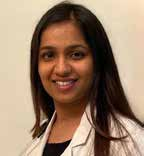
Dr. Nikita Goel
Questions For Interview: Dr. Nikita
- So, could you tell us something about yourself? What made you interested in medicine? What is your current designation?
I’m currently working as a Rheumatology Registrar at London Northwest University Hospital. My interest in medicine began early, sparked by a combination of personal experiences and a fascination with science. Over time, through academic study and clinical exposure, the initial curiosity evolved into a deep commitment. I am particularly drawn to how medicine challenges you to be both analytical and empathetic.
- How different is your new environment from India?
Moving from India to the United Kingdom (UK) has meant adapting to a more protocol-driven system with greater emphasis on documentation and teamwork. The pace and style of patient interaction differ, requiring adjustment, not necessarily better or worse, just different.
- Tell us about your experience at Max Hospital?
At Max Hospital, I gained invaluable experience managing a high volume of diverse clinical cases, which strengthened my diagnostic and decision-making skills. The fast-paced environment and multidisciplinary collaboration helped me develop resilience, adaptability, and a patient-centred approach to care.
- How was our teaching program at Max? How did you like the organisation of our classes along with clinical exposure?
The teaching program at Max Hospital was well-structured, combining regular academic sessions with hands-on clinical exposure. I appreciated the balance between theoretical learning and practical case discussions, which helped bridge the gap between classroom knowledge and real-world application.
- What were the most significant and the most helpful features of this program? Any recommendations for improvement?
The most significant and helpful features were the strong clinical exposure across various specialties and the emphasis on evidence-based practice. Regular bedside teaching, structured assessments, and mentorship from experienced consultants greatly enhanced both confidence and clinical competence.
One recommendation would be to include workshops on audit, quality improvement projects, and research methodology — this could better prepare trainees for leadership roles.
- How helpful was your experience at Max Hospital in securing a placement in the UK and working in the National Health Service (NHS)?
My experience at Max Hospital was instrumental in preparing me for a role in the NHS. The exposure to a wide range of clinical cases, structured ward rounds, and emphasis on documentation and multidisciplinary teamwork closely aligned with the working style in the UK. It also strengthened my clinical acumen and communication skills, which proved valuable during NHS interviews and in adapting to the system.
- What are your future plans?
My future plans involve further honing my clinical skills, particularly in the field of Rheumatology. I am joining the Wessex Deanery to pursue Certificate of Completion of Training (CCT) in Rheumatology. I aim to continue contributing to the healthcare system through continuous learning, patient care, and collaborative teamwork, while also exploring opportunities in research and leadership roles in the future.
Bridging Borders:
Dr. Renisha’s Medical Journey from Max Hospital to the United Kingdom (UK)
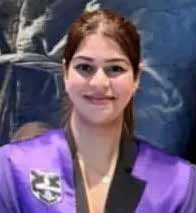
Dr. Renisha Singh
Questions For Interview: Dr. Renisha
- So, could you tell us something about yourself? What made you interested in medicine? What is your current designation?
Medicine has always been close to my heart, largely influenced by a personal experience — my grandfather was diagnosed with a rare disease, and I accompanied him for multiple hospital visits and dialysis sessions. That journey sparked my interest in medicine. It was his dream to help others, and over time, that became mine as well. Currently, I work as a Senior House Officer in the Department of Gastroenterology at Hillingdon Hospital, London.
- How different is your new environment from India?
The environment here is quite different in many ways — both culturally and professionally. I find myself more independent, both in lifestyle and clinical decision-making. However, the essence of medicine remains the same, and that continuity has been grounding for me. One of the most striking differences is how well-structured the escalation protocols are in the National Health Service (NHS). While there’s a clear hierarchy, the work environment is approachable and collaborative, which makes learning and contribution much easier.
- Tell us about your experience at Max Hospital.
Max Hospital has a special place in my journey — it was where I truly grew as a clinician. The exposure I received there helped build my confidence and clinical acumen. I had the privilege of working with inspiring mentors and supportive colleagues, many of whom I remain in touch with. My time at Max not only shaped me as a doctor but also helped me develop strong leadership and communication skills.
- How was our teaching program at Max? How did you like the organisation of our classes along with clinical exposure?
The teaching program at Max was very well structured. The weekly academic sessions were particularly valuable — they allowed us to reflect on our clinical experiences, discuss learning points, and explore different management approaches. These sessions fostered a culture of continuous learning and collaboration. I also appreciated the balance between clinical duties and academic learning, which made the overall experience very enriching.
- What were the most significant and the most helpful features of this program? Any recommendations for improvement?
The most significant aspect of the program was the mentorship and the Max Institute of Medical Education (MIME) team. The support from senior doctors and peers created a nurturing environment. The diversity of clinical cases, simulation sessions, and structured learning were especially helpful. Max being a multi-speciality hospital gave exposure to a broad spectrum of cases.
If anything, more frequent simulation-based sessions and inter-departmental teaching could further enhance the program.
- How helpful was your experience at Max Hospital in securing a placement in the UK and working in the NHS?
My experience at Max laid a strong foundation for my transition to the NHS. The wide-ranging clinical exposure, robust teaching structure, and emphasis on evidence-based practice were invaluable in my adaptation to UK medical practice. The professionalism, documentation standards, and teamwork I experienced at Max mirrored many aspects of NHS culture, making the transition smoother and more confident.
- What are your future plans?
I plan to apply for Specialty Training year 4 (ST4) training in Gastroenterology here in the UK. Currently, I’m focused on understanding the NHS system more deeply while continuing to grow both professionally and academically. I am also engaged in audits, research, and teaching activities, all of which I hope will contribute to my development as a future gastroenterologist.