 WhatsApp Us (24/7)
 +91 926 888 0303 (24/7)


Abstract:
Introduction: Type 2 diabetes mellitus (T2DM) and gestational diabetes mellitus (GDM) pose significant global health challenges. The increasing global prevalence of GDM and its associated complications underscores the need for proactive screening and management. The study aimed to evaluate the prevalence of GDM and its associated risk factors in a tertiary care hospital in North India
Methodology: A prospective cross-sectional study conducted at Max Super Speciality Hospital, New Delhi, during 2016-2017, enrolled 900 pregnant women (aged 18-50 years) from the antenatal outpatient department (OPD). Primary objective: To assess impaired oral glucose tolerance prevalence (IADPSG criteria) at 24th-28th weeks. The data covered demographic, socioeconomic, obstetric, and medical details. Descriptive statistics were used to summarize the variables. Chi-square or Fisher's tests were applied to categorical data, while continuous data were analysed using independent t-tests. Multiple regression analysis was conducted to identify risk factors.
Results: GDM was diagnosed in 7.4% of participants. Prevalence was highest in the age group >35 years (36.2%, p=0.000), and a significant association was found between increasing body mass index (BMI) and GDM (p=0.04). Adverse obstetric history, including previous abortions and GDM in prior pregnancies, increased the risk of GDM. Complications during pregnancy, such as macrosomia (present in 1 patient with GDM and none in non-GDM), foetal distress (9.09% in GDM), and preeclampsia (4.7% in GDM), were higher in women with GDM. Vaginal delivery prevalence was higher in non-GDM, while GDM had a higher rate of caesarean section delivery (p<0.005).
Conclusion: The study discloses a 7.4% GDM prevalence in North Indian tertiary care, accentuating rising diabetes trends. Identified risk factors inform antenatal screening, highlighting the need for early GDM management to mitigate complications and prevent future diabetes. Single-centre limitations emphasise the necessity for broader population studies for accurate prevalence rates.
Key words: Type 2 Diabetes Mellitus (T2DM), Gestational Diabetes Mellitus (GDM), Risk Factors for GDM.
Introduction
Type 2 diabetes mellitus (T2DM), as per the International Diabetes Federation (IDF), 2021, affects globally 537 million adults and is expected to increase to 643 million cases by 2030.1 The T2DM prevalence in India is 27.7%.2
Gestational diabetes mellitus (GDM) is any degree of glucose intolerance with onset or first recognition during pregnancy, which is not diagnostic of overt diabetes.3 The International Association of Diabetes and Pregnancy Study Group (IADPSG) proposed a set of criteria for the diagnosis of GDM: at least one value of plasma glucose concentration is equal to or exceeds the threshold of 92mg/dl, 180mg/dl and 153mg/dl for fasting, one hour and two hours after performing an oral glucose tolerance test (OGTT). GDM is common in pregnancy and is associated with adverse maternal and foetal outcomes.3 Though the exact pathogenesis remains unknown, it is thought to arise due to insulin resistance due to pregnancy hormones, which are not adequately compensated for by the pancreas. A genetic predisposition is likely as GDM has a familial history.4,5 The clinical effects of GDM range from asymptomatic to severe hyperglycaemia, which may persist in both the mother and the infant after birth. The global prevalence of GDM varies widely depending on the screening method, diagnostic criteria, and population characteristics like maternal age, body composition, socioeconomic status, and race/ethnicity.6,7,8 As per the IDF, in 2019, around 21. 1 million (16%) live births globally had some form of hyperglycaemia in pregnancy.1,8 GDM is a global public health concern, with data from high-income countries indicating that complications occur in approximately 5%-7% of all pregnancies.5 Variation in prevalence of GDM varies greatly on the diagnostic criteria used. The most recent meta-analysis by Saeedi et al., 2021 based on the International Association of Diabetes and Pregnancy Study Groups (IADPSG) criteria, reported the global prevalence of GDM as 14.7%.9 In 2019, a meta-analysis using similar criteria reported an 11.4% pooled prevalence of GDM in South Asian countries (India, Bangladesh, and Sri Lanka). GDM affects around 5 million women in India annually.5 GDM is associated with an increased risk of obstetrics complications and adverse foetal outcomes like preeclampsia, caesarean section delivery, macrosomia, hypoglycaemia, and stillbirth. There is a 50% probability that women suffering from GDM will develop T2DM later in life, and a history of GDM is associated with an increased risk for GDM in future pregnancies and cardiovascular diseases in later life.5 Concerns exist regarding an anticipated increase in the prevalence of diabetes, which is closely related to changing lifestyles, increasing urbanisation, decrease in physical activity, changes in dietary patterns, and increasing prevalence of obesity. Three in four adults with diabetes live in low and middle-income countries.1 This study was conducted to find the prevalence of GDM and the associated risk factors in a tertiary care hospital in North India.
Materials and Methods
This prospective, hospital-based cross-sectional study, conducted at Max Super Speciality Hospital Saket, New Delhi, aimed to assess the prevalence of GDM in pregnant women attending antenatal OPD between 2016 to 2017. Institute Review Board (IRB) approval was obtained, and participants meeting inclusion criteria were informed and enrolled after providing informed consent. 900 pregnant women aged 18-50 attending the obstetrics, gynaecology, and endocrinology departments were included. Exclusions comprised those with pre-existing diabetes and nonconsenting individuals. Enrolled participants were followed until delivery.
The primary objective was to determine impaired oral glucose tolerance prevalence at 24th - 28th weeks using IADPSG diagnostic criteria. A 2-hour, 75g OGTT confirmed gestational diabetes if glucose levels met or exceeded defined thresholds.
A comprehensive proforma gathered demographic, socioeconomic, obstetric, and medical information. Gestational age and expected dates were calculated. Between weeks 24-28, participants underwent OGTT following overnight fasting. The obstetrics and endocrinology outpatient departments (OPDs) monitored the cases. Data covered total weight gain, delivery mode, complications, foetal birth weight, and complications. Based on a GDM prevalence of 7.1% by Rajput et al., in 2013, power calculation yielded a minimum sample size of 316.10 However, all eligible Max Hospital attendees meeting the criteria were recruited, and 900 pregnant females were recruited. Descriptive statistics summarised variables. Categorical data underwent chi-square or Fisher’s exact tests, and continuous data were analysed using independent sample t-tests. Multiple logistic regressions identified risk factors. Statistical tests were two-sided, with the statistical package for the social sciences (SPSS) version 21 used at a significance level of 0.05.
Results
Out of the 900 participants, GDM was diagnosed in 67 (7.4%) participants based on the IADPSG criteria. The mean age of participants was 29.57 ± 2.67 years. The prevalence rate was highest in the age group >35 years, at 36.2% (p=0.000). A statistically significant association between increasing body mass index (BMI) and GDM was observed with a p-value=0.04. A low prevalence of GDM was recorded in the subgroup whose BMI was <22.9kg/m2 as compared to the 9.9% prevalence of GDM in the subgroup >30kg/m2. The parity of participants ranged from 1 to 7. Overall, 25% of women with parity above 3 developed GDM compared to 5% among nulliparous 40 women (p=0.000) (Table 1).
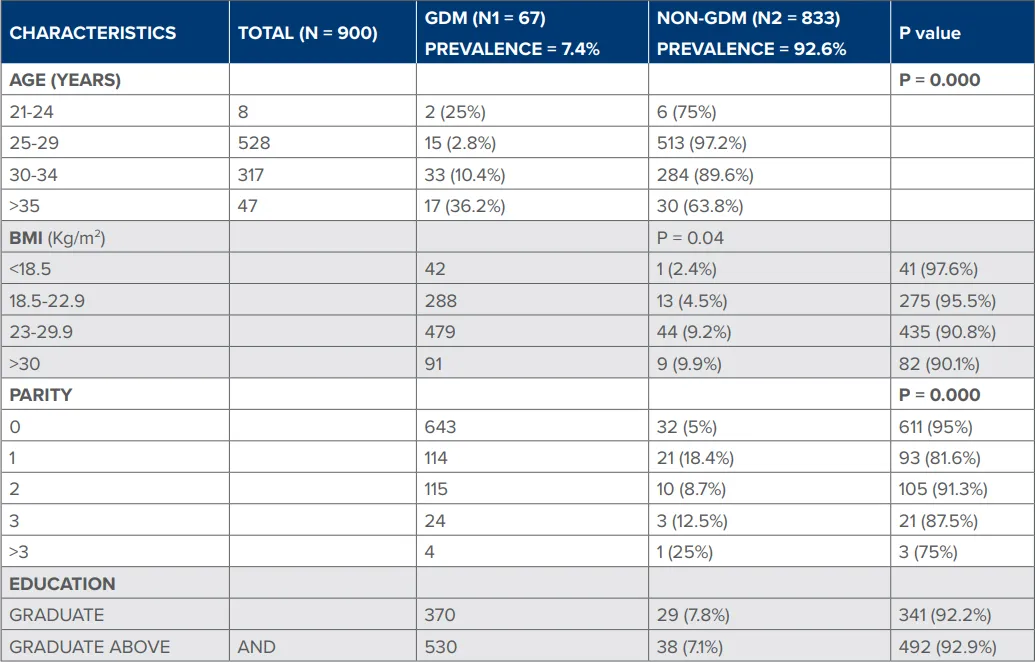
Table 1: Baseline characteristics of the study participants.
Abbreviations: BMI: Body mass index; GDM: Gestational diabetes mellitus.
Out of the 67 patients diagnosed with GDM, 10.7% of participants had high pre-pregnancy weight. Two participants had a pregnancy weight between 40-50kg (1.6% of all cases in this group), 20 participants (5.8% of all cases in the subgroup) out of 67 were in the subgroup 50-60kg and 45 participants were in the >60kg weight subgroup. This trend was found to be statistically significant with p value=0.002. An adverse obstetrics history is associated with an increased risk for GDM. Around 16.7% of all participants diagnosed with GDM had a past history of abortion (p=0.002). History of GDM in previous pregnancies was present in only two women, and both developed GDM again (p<0.000). Out of the 900 pregnant women who participated in the study, 109 women were found to have hypothyroidism, and 17 of these were diagnosed with GDM (p=0.001). A total of 173 participants had a family history of diabetes, out of whom 21 developed GDM (p=0.04). A total of 38 participants had a family history of hypertension, out of whom 11 (28.9%) were found to have GDM (p< 0.000) (Table 2).
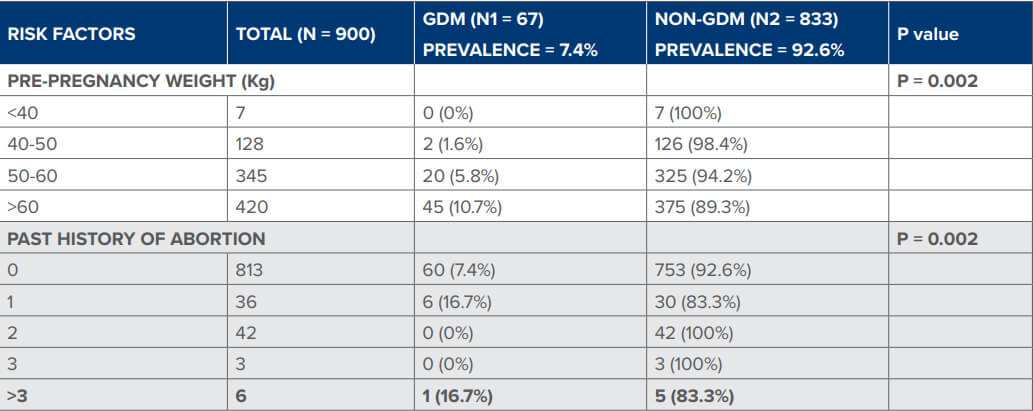
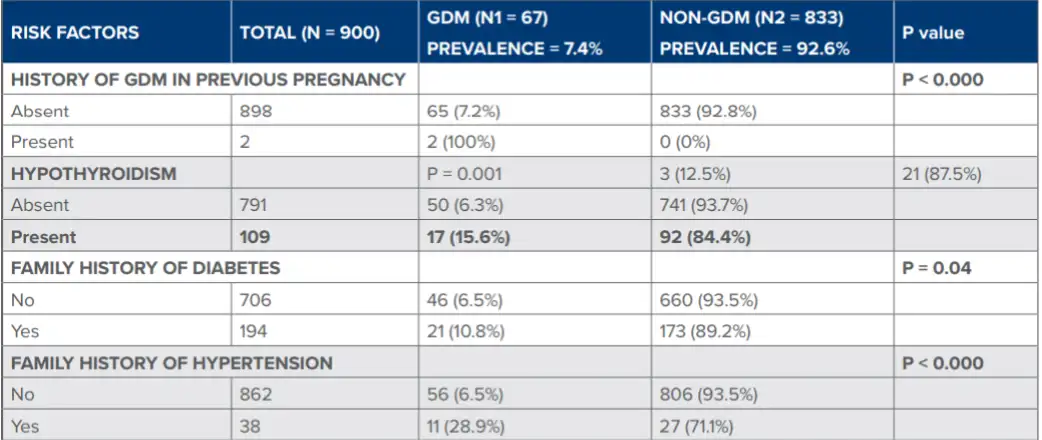
Table 2: Description of risk factors among study participants.
Abbreviations: GDM: Gestational diabetes mellitus.
Prevalence of vaginal delivery was significantly higher in the non-GDM group (29.7%) as compared to the GDM group (13.4%), whereas the prevalence of lower segment caesarean section (LSCS) delivery (86.6%) was higher in the GDM group as compared to non-GDM group (p<0.005). Poor obstetrics outcome, rate of macrosomia in infants, foetal distress, and development of preeclampsia, caesarean delivery, and mean birth weights of delivered babies were significantly higher for pregnant women with GDM as compared to those without GDM (Table 3).
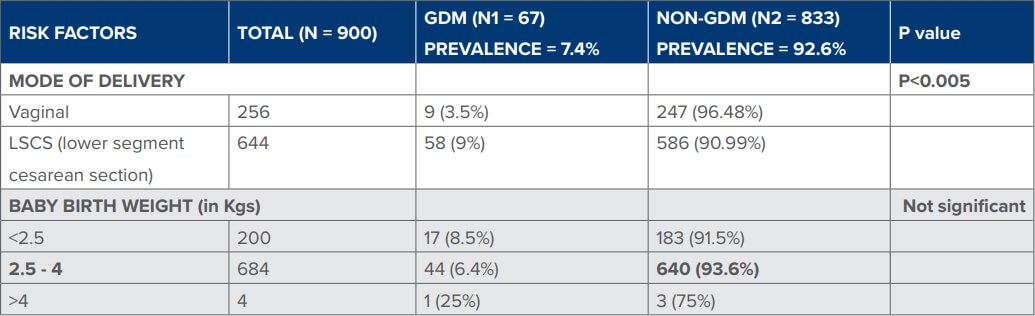
Table 3: Distribution of mode of delivery, birth weight of baby, and complications.
Abbreviations: GDM: Gestational diabetes mellitus.
Furthermore, out of 366 women found to have complications during pregnancy, 35 were diagnosed with GDM, which was statistically significant (p-value < 0.005). The most common complications observed among participants with GDM, were cord around the neck (25%), premature rupture of membrane (16.7%), obstructive labour (8.3%), non-reassuring non-stress test (NST) (7.7%), decreased foetal movements (9.1%), nonprogression of labour (5.9%), foetal distress (10.3%), intra uterine growth restriction (IUGR) in 28.6%, antepartum haemorrhage (28.6%), oligohydramnios (20%) and leaking per vaginum (5.9%). In addition to this, macrosomia was present in one baby delivered by a GDM woman. Another baby also delivered by a woman with GDM, was diagnosed with twin-twin transfusion syndrome. Among other women with GDM, complications included pregnancy-induced hypertension with foetal bradycardia and IUGR with the cord around the neck (Table 4).
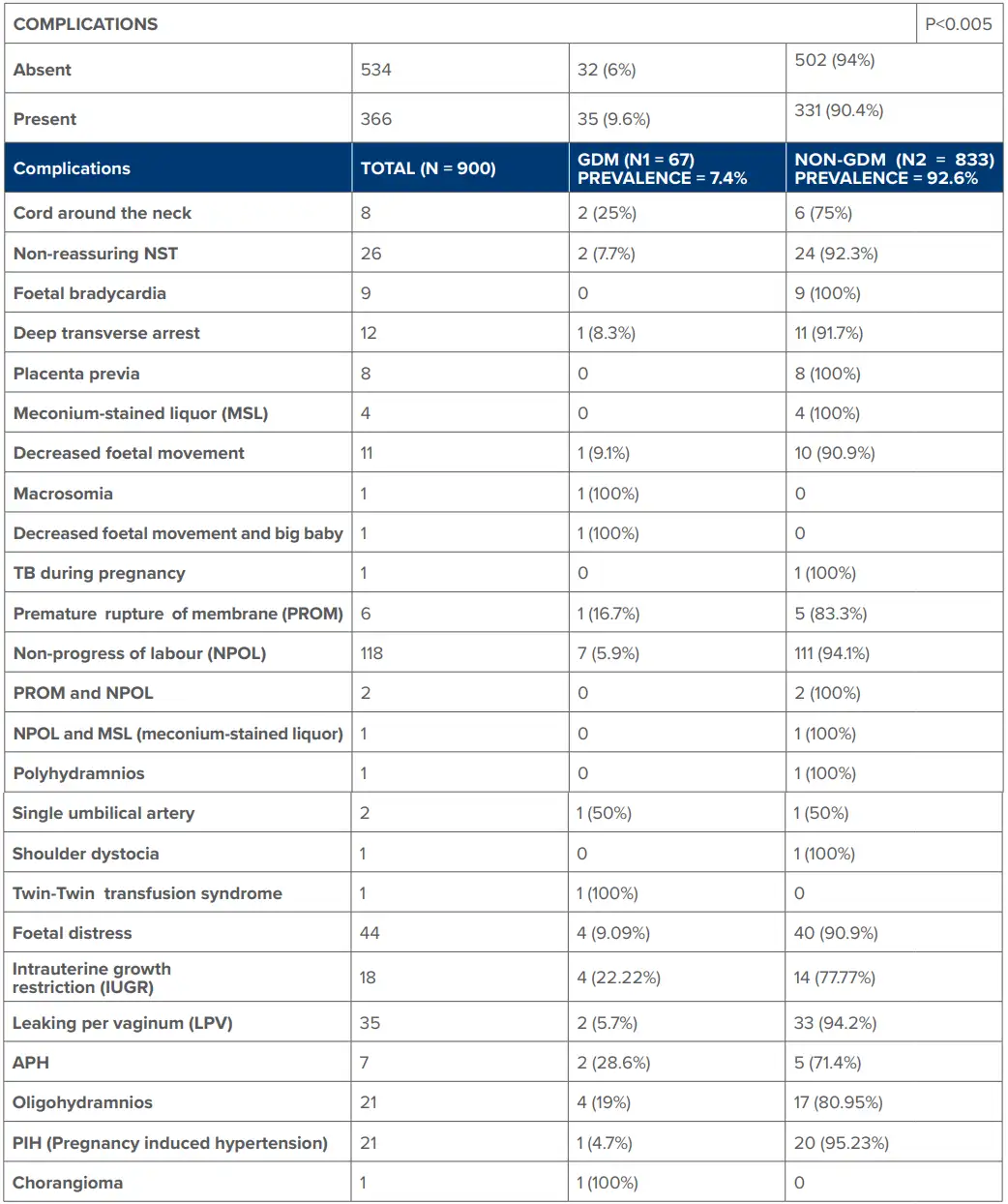
Table 4: Distribution of maternal and foetal complications during delivery
Abbreviations: GDM: Gestational diabetes mellitus; PROM: Premature rupture of membranes; NPOL: Non-progression of labour; NST: Non-stress test; TB: Tuberculosis.
Discussion
The prevalence of GDM has been increasing every year, as corroborated by several studies published in the last 10 years. In South India, the prevalence between 2014-2022 based on the IADPSG criteria. It was reported to have increased from 9% (Geeta N et al., 2016) to 19.11%.11 Similarly, in North India, the prevalence of GDM has increased from 8.8%11 to 14.1%8 between 2017 and 2022. Studies carried out in South India during the same period have reported a higher prevalence of GDM compared to North India. These variations in prevalence rates across India, as presented in Table 5, may be attributed to factors such as differences in BMI, age, socioeconomic status, and cultural differences.
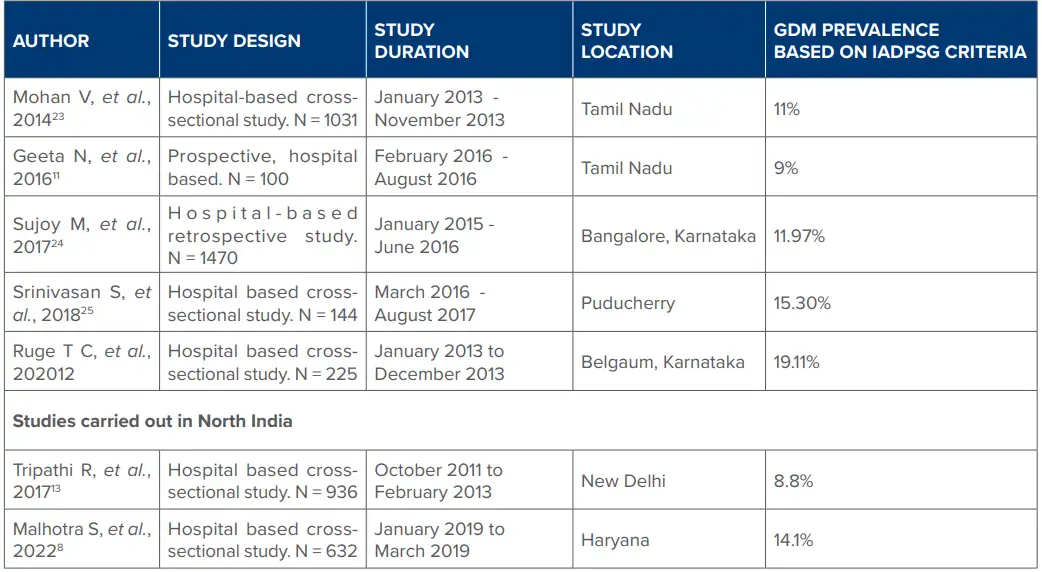
Table 5: Prevalence of GDM-Results from various studies in India
Abbreviations: GDM: Gestational diabetes mellitus; IADPSG: International Association of Diabetes and Pregnancy Study Groups.
Nine hundred participants were enrolled in our study, of whom, 67 (7.4%) were diagnosed with GDM using the IADPSG criteria. The mean fasting blood glucose values for women with GDM was 103.85 ± 14.93 mg/dl as compared to 86.22 ± 6.70mg/dl in women without GDM(p<0.001). The prevalence of GDM in our study was similar to that reported by Rajput R et al. in 2013, who reported a GDM prevalence of 7.1%. Factors associated with GDM included increasing age, higher pre-pregnancy weight, BMI, higher weight gain during pregnancy, family history of diabetes (FHD) or hypertension, past history of GDM, hypothyroidism and previous bad obstetrics history.8-14 The prevalence of GDM increased markedly with maternal age, from 0.7% among women under 25 years to 9.5% in those over 35 years. This aligns with studies that have been carried out during the last five years in India, Africa, Iran, and Spain, which identified advanced maternal age as a risk factor for developing GDM.4,6,13,14 Obesity or high BMI is an important risk factor and has been strongly linked to the development of GDM.8,16 This has been corroborated in a number of studies globally and in India. We found a significant association between the increasing BMI of the participants and the prevalence of GDM (p=0.04). Higher pre-pregnancy weight increases the risk for GDM, independent of age, parity and ethnicity. Women with a pre-pregnancy weight above 60kg had a GDM prevalence of 10.7%, compared to 5.8% in the 50- 60kg group and 1.6% in the 40-50kg group. This trend of the increasing GDM prevalence with increasing pre-pregnancy weight was found to be statistically significant (p=0.002). Multiple studies have shown higher parity to be associated with a higher prevalence of GDM.17,18 This may be because of increased age with parity. Our study corroborated this; 25% of women with parity above 3 developed GDM compared to 5% among nulliparous women (p-value = 0.000). We found an association with hypothyroidism. Among the 109 women with hypothyroidism, 15.6% were diagnosed with GDM, showing a significant association (p-value = 0.001). A FHD has been reported to be associated with a higher risk of developing GDM.15-18 There is a positive relationship between FHD, especially in first-degree relatives and the prevalence of GDM, making it a strong independent risk factor for GDM.16-19 In our study, of the 173 women with FHD, 21 developed GDM, of which 19 (10.7%) had single-parent diabetics, and 2 (12.5%) had both parents as diabetic (p=0.04). Previous history of GDM is one of the strongest predictors for GDM and has been corroborated by meta-analyses.17,18 In our study, we found a strong correlation between the GDM prevalence and a history of GDM in previous pregnancies (p= 0.000). Women with a previous history of GDM had an 84-fold increased risk of developing GDM in subsequent pregnancies.
The prevalence of vaginal delivery was significantly higher in the non-GDM group as compared to the GDM group, while the prevalence of caesarean delivery was higher in the GDM group as compared to the non-GDM group (p=0.005). Adverse foetal-maternal outcomes have been reported in women diagnosed with GDM as compared to those without GDM.20,21 Shashwat J et al., 2023 reported adverse maternal outcomes like polyhydramnios, antepartum haemorrhage (APH), postpartum haemorrhage (PPH), sepsis, and wound infection to be higher in the group with GDM as compared to those without GDM.20 Maternal complications in GDM patients include risk for hypertension, pre-eclampsia, LSCS delivery, cardiovascular complications, increased long-term risk for T2DM.20 In our study, the mean birth weight of babies was higher in the GDM group than in the non-GDM group. Furthermore, in our study, macrosomia, oligohydramnios, preeclampsia, and caesarean deliveries were significantly higher in the GDM group versus those without GDM, along with higher mean birth weights of delivered babies. Foetus-related complications among women with GDM observed in our study included cord around the neck, obstructed labour, non-reassuring NST, decreased foetal movements, premature rupture of membrane, non-progress of labour, foetal distress, IUGR, APH, oligohydramnios, leaking per vaginum, macrosomia, twin-twin transfusion syndrome.
Limitation
The limitation of our study is that it was conducted at a tertiary care centre in Delhi, which may not adequately represent the diverse Indian population. More large-scale population studies are required to be conducted encompassing different regions of India to estimate the actual prevalence rate. Our study highlights that the prevalence of GDM in India has gradually increased, from 7.1% in 2013 to 14.1% in 2022. The risk factors for GDM overlap significantly with those for diabetes mellitus. Therefore, antenatal screening for GDM is crucial for early diagnosis and management. Timely management of GDM can improve both maternal and foetal health, as well as prevent the development of future diabetes mellitus in women.
Akanksha Gupta, Swati Waghdhare, Vinitaa Jha, Sujeet Jha (Lt), Menka Loomba, Jayasree Sundar, Jay
Kirtani, Sandeep Budhiraja. Gestational Diabetes Mellitus Prevalence and Risk Factors - A Study from a
Tertiary Care Centre in North India. MMJ. 2024, Dec. Vol 1 (4).
References
- Magliano DJ, Boyko EJ; IDF Diabetes Atlas 10th edition scientific committee. IDF DIABETES ATLAS [Internet]. 10th ed. Brussels: International Diabetes Federation; 2021.
- Kumar A, Gangwar R, Zargar AA, et al. Prevalence of Diabetes in India: A Review of IDF Diabetes Atlas 10th Edition. Curr Diabetes Rev. 2024;20(1):e 130423215752.
- ElSayed NA, Aleppo G, Aroda VR, et al. on behalf of the American Diabetes Association. 15. Management of Diabetes in Pregnancy: Standards of Care in Diabetes-2023. Diabetes Care. 2023;46(Suppl 1):S254- S266.
- Amiri FN, Faramarzi M, Bakhtiari A, et al. Risk Factors for Gestational Diabetes Mellitus: A Case Control Study. Am J Lifestyle Med. 2018;15(2):184-190.
- Swaminathan G, Swaminathan A, Corsi DJ. Prevalence of Gestational Diabetes in India by Individual Socioeconomic, Demographic, and Clinical Factors. JAMA Netw Open. 2020;3(11):e2025074.
- Bahl S, Dhabhai N, Taneja S, et al. Burden, risk factors and outcomes associated with gestational diabetes in a populationbased cohort of pregnant women from North India. BMC Pregnancy Childbirth. 2022;22(1):32.
- Gupta Y, Singh C, Goyal A, et al. Continuous glucose monitoring system profile of women diagnosed as gestational diabetes mellitus by the International Association of Diabetes and Pregnancy Study Groups criteria and labeled as normoglycemic by alternate criteria in early pregnancy. J Diabetes Investig. 2022;13(10):1753-1760.
- Malhotra S, Kant S, Kumar R, et al. Gestational Diabetes Mellitus Among Pregnant Women Attending Ante-natal Clinic at a Secondary Care Health Facility in Haryana, India. Cureus. 2022;14(5):e25452.
- Saeedi M, Cao Y, Fadl H, et al. Increasing prevalence of gestational diabetes mellitus when implementing the IADPSG criteria: A systematic review and meta-analysis. Diabetes Res Clin Pract. 2021;172:108642.
- Rajput R, Yadav Y, Nanda S, et al. Prevalence of gestational diabetes mellitus & associated risk factors at a tertiary care hospital in Haryana. Indian J Med Res. 2013;137(4):728-33.
- Geetha N, Sangeetha KG. Comparison of IADPSG and DIPSI criteria for diagnosis of gestational diabetes mellitus. IOSR Journal of Dental and Medical Sciences. 2016;15:1-4.
- Ruge TC, Kanchana N. Prevalence of gestational diabetes mellitus using IADPSG and DIPSI criteria: a cross-sectional study. Int J Reprod Contracept Obstet Gynecol. 2020;9(6):2408- 2414.
- Tripathi R, Gupta N, Mazhari F, et al. A Prospective Study to Determine if Management of Cases of Gestational Diabetes Mellitus (GDM) can be Modified. J Obstet Gynaecol India. 2022 Apr;72(2):147-153.
- Lendoye E, Ngoungou EB, Komba OM, et al. Prevalence and factors associated to gestational diabetes mellitus among pregnant women in Libreville: a cross-sectional study. Pan Afr Med J. 2022;41:129.
- Orós M, Perejón D, Serna MC, et al. Prevalence and risk factors of gestational diabetes in the health region of Lleida: a retrospective observational cohort study. J Endocrinol Invest. 2023;46(12):2639-2646.
- Kutchi I, Chellammal P, Akila A. Maternal Obesity and Pregnancy Outcome: in Perspective of New Asian Indian Guidelines. J Obstet Gynaecol India. 2020; 70(2):138-144.
- Lewandowska M. Gestational Diabetes Mellitus (GDM) Risk for Declared Family History of Diabetes, in Combination with BMI Categories. Int J Environ Res Public Health. 2021;18(13):6936.
- Wagan N, Amanullah AT, Makhijani PB, et al. Factors Associated With Gestational Diabetes Mellitus: A Cross-Sectional Study. Cureus. 2021;13(8):e17113.
- Zhang L, Zheng W, Huang W, et al. Differing risk factors for newonset and recurrent gestational diabetes mellitus in multipara women: a cohort study. BMC Endocr Disord. 2022;22(1):3.
- Monod C, Kotzaeridi G, Linder T, et al. Prevalence of gestational diabetes mellitus in women with a family history of type 2 diabetes in first- and second-degree relatives. Acta Diabetol. 2023;60(3):345-351.
- Jani S, Parikh P, Patel K, et al. Fetomaternal outcome in patients with gestational diabetes mellitus. National Journal of Physiology, Pharmacy and Pharmacology, 2023;13(3): 65226656.
- Capobianco G, Gulotta A, Tupponi G, et al. Materno-Fetal and Neonatal Complications of Diabetes in Pregnancy: A Retrospective Study. J Clin Med. 2020;9(9):2707.
- Mohan V, Mahalakshmi MM, Bhavadharini B, et al. Comparison of screening for gestational diabetes mellitus by oral glucose tolerance tests done in the non-fasting (random) and fasting states. Acta Diabetol. 2014;51(6):1007-13.
- Sujoy M, Rao PS, Mukhopadhyay I, Prajwal S. Comparison of screening for gestational diabetes mellitus by IADPSG and DIPSI guidelines: importance of fasting blood glucose value in its diagnosis and management. IOSR J Dent Med Sci. 2017 Mar;16(3):12-5.
- Srinivasan S, Reddi RP. Comparative study of DIPSI and IADPSG criteria for diagnosis of GDM. Int J Reprod Contracept Obstet Gynecol. 2018 Feb 27;7(3):932.