 WhatsApp Us (24/7)
 +91 926 888 0303 (24/7)


Abstract: Chronic kidney disease of unknown aetiology (CKDu) has emerged as a significant health concern in rural agricultural communities across Central America, Southern Asia, and parts of Africa. This form of chronic kidney disease (CKD), not attributable to traditional causes, is characterised by late diagnosis and rapid progression, making it a life-threatening condition. This study aimed to determine the prevalence of CKDu and identify associated risk factors. A cross-sectional study was conducted over 18 months, involving 500 CKD patients from the hospital's outpatient department (OPD). Inclusion criteria were patients with CKD as defined by the Kidney Disease Improving Global Outcomes (KDIGO) guidelines, aged 18 years and above. Patients with acute kidney injury (AKI) and those in critical condition were excluded. All participants underwent routine kidney function tests.
The study population comprised 51.20% males, with a mean age of 57.28±11 years (range: 22-82 years). CKDu was identified in 4.8% of CKD patients. CKDu patients were generally younger (mean age 40.71±10.12 years) and predominantly under 50 years old. Notably, 80% of CKDu patients presented with advanced CKD (eGFR <30 ml/min). Non-traditional risk factors were significantly more prevalent (p=0.001) in the CKDu group compared to traditional CKD patients, including: farming occupation (25%), pesticide exposure (30%), tobacco use (33%), alcohol consumption (33%), use of traditional remedies (46%), and exposure to heat stress/physical exertion (71%).
The study revealed a CKDu prevalence of 4.8% among CKD patients. CKDu predominantly affected younger individuals (<50 years), with most presenting advanced disease at diagnosis. Non-traditional risk factors were significantly associated with CKDu. These findings underscore the need for improved understanding of CKDu risk factors and the implementation of early detection strategies to prevent advanced disease progression.
Keywords: Chronic Kidney Disease (CKD), Chronic Kidney Disease of Unknown Aetiology (CKDu), Mesoamerican Nephropathy (MeN), Environmental Contamination
Introduction
Economic development and lifestyle changes have led to a rise in non-communicable diseases (NCDs), including chronic kidney disease (CKD), which affects 9.1% of the global population, or approximately 697.5 million people.1 In 2017, CKD was responsible for 1.2 million deaths, making it the 12th leading cause of death worldwide.1 CKD involves the progressive damage and loss of renal function, primarily due to diabetes (50.6%) and hypertension (23.3%).2,3 Other contributing factors include cardiovascular disease, immune-mediated processes, obesity, metabolic syndrome, exposure to nephrotoxic agents, and lifestyle changes.4-6 Notably, CKD also appears in rural agricultural communities without these typical comorbidities, a condition known as CKD of unknown aetiology (CKDu).
CKDu is characterised by progressive CKD with minimal proteinuria, no haematuria, and the absence of diabetes, severe hypertension, human immunodeficiency virus (HIV), or glomerulonephritis.8 Factors associated with CKDu include water sources, dehydration, extreme physical exertion, heat stress, agrochemical exposure, nephrotoxic drugs, smoking, alcohol, infections, snake bites, family history of CKD, and local CKD prevalence.9 CKDu is prevalent in Central America, Southern Asia, North and West Africa, and Egypt, and is linked to toxins such as agrochemicals, pesticides, silica, or heavy metals. For example, Aristolochia plant toxin causes Balkan nephropathy, and high concentrations of cadmium in blood and urine were responsible for “Itai-itai” disease in Japan.10,11 According to the Indian CKD registry, CKDu is the second most common cause of CKD (16.0%) after diabetic nephropathy (31.3%).12
First reported in El Salvador in the early 2000s among agricultural workers, CKDu also affects young male farmers in Central America due to heavy metal exposure, high temperatures, agrochemical use, mycotoxins, and contaminated water supplies.13-15 There is limited data on CKDu risk factors, particularly in Indian patients. However, studies indicate that CKDu is prevalent in rural areas of India with limited nephrology care, notably in Uddanam, Andhra Pradesh, with a 13% prevalence rate.16 Other affected regions include Bhubaneswar, Cuttack, Jajpur, Balangir, Kalahandi, Jharsuguda, Koraput, and Goa, with potential causes being pesticides, heavy metals, and traditional medicines. This study aimed to investigate the various factors associated with CKDu in a specific region to facilitate early screening and prevention, ultimately reducing CKD-related mortality and morbidity
Material and Methods
Study Design: This cross-sectional study aimed to determine the risk factors and prevalence of CKDu
Study Population: A total of 500 CKD patients were enrolled from the outpatient department (OPD), Department of Nephrology at the institution. The study was conducted over 18 months, from June 2019 to December 2020.
Inclusion Criteria:
- CKD patients classified per KDIGO guidelines.
- Age > 18 years.
- Willing to consent to participate in the study.
Exclusion Criteria:
- Patients with acute kidney injury (AKI).
- Critically ill patients.
- Those who did not give consent.
Study procedure:
Patient details were recorded based on a proforma covering chief complaints, general health status, occupation, personal history of diabetes, hypertension, CKD, infectious diseases, smoking, use of nephrotoxins (alcohol, herbal drugs, analgesics), and family medical history. Patients were routinely evaluated for kidney function tests (serum urea and creatinine) using standard laboratory techniques. Detailed histories of personal habits, occupation, and alternative medicine use were obtained.
Serum Creatinine Measurement:
Serum creatinine levels were measured by enzymaticInternational Federation of Clinical Chemistry (IFCC) method, with normal levels defined as 0.66 to 1.25 mg/dL. Estimated glomerular filtration rate (eGFR) was calculated using the abbreviated modification of diet in renal disease (MDRD) formula.
Additional Measures:
- Education: Defined as passing the 10th standard
- Alcohol Intake: Significant if >2 units, with 1 unit containing 10g of pure alcohol.17
- Tobacco Use: Significant if >1 pack-year.18
- Farmers: Asked about pesticide use and active involvement in fieldwork.
- Haematuria: Defined as red blood cell >10/high power field.
- Proteinuria: Defined as protein-creatinine ratio >1.
- Hypertension: Classified according to American Heart Association (AHA)-2020 guidelines.19
- Diabetes: Diagnosed according American Diabetes Association (ADA)-2020 criteria.20
Ethical considerations
The study protocol was approved by the Institutional Ethics Committee and complied with the Declaration of Helsinki. Full informed consent was obtained from each patient, and confidentiality of patient data was maintained. The study did not impose any financial burden on the participants.
Results:
Demographic details:
Among the 500 patients studied, more than half (51.20%) were male, with a mean age of 57.28±11 years, ranging from 22 to 82 years. The largest age group was 61-70 years (35.20%), followed by the 51-60 age group, comprising 26.8% of participants. Those over 70 years and under 30 years accounted for 11% and 0.8%, respectively. The percentages of patients in the 31-40 years and 41-50 years age groups were 6.6% and 26.80%, respectively. Within this population, 76.4% were educated. Additionally, 3.60% were farmers.
Risk Factors Associated with CKDu
Figure 1 illustrates the distribution of traditional and nontraditional CKD risk factors, showing that diabetes and hypertension (often overlapping) are the primary risk factors for CKD in our study
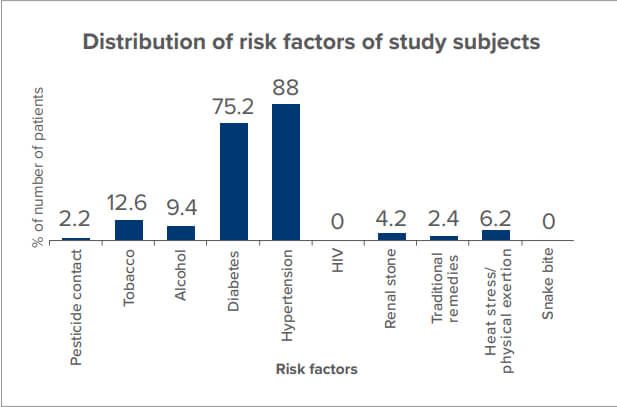
Figure 1: Distribution of risk factors of study subjects (n=500). Abbreviation: HIV; Human immunodeficiency virus.
Kidney Function Test
In the study population, the average urea level was 101±43.33 mg/dl, and the average creatinine level was 4.6±2.57 mg/dl. Urine analysis indicated that 131 patients (26.2%) had proteinuria (>1), and 15 patients (3%) had haematuria (Figure 2). Figure 3 shows that, out of 500 patients, 50.8% were in Stage V CKD. Additionally, 42% were in Stage IV, 1% in Stage IIIA, and 6.2% in Stage IIIB.
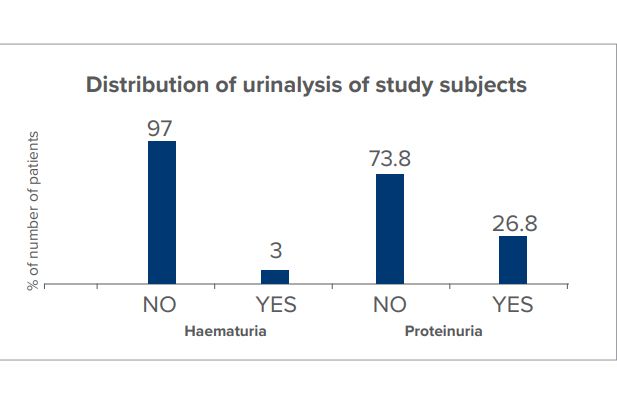
Figure 2: Distribution of urinalysis of study subjects (n=500).
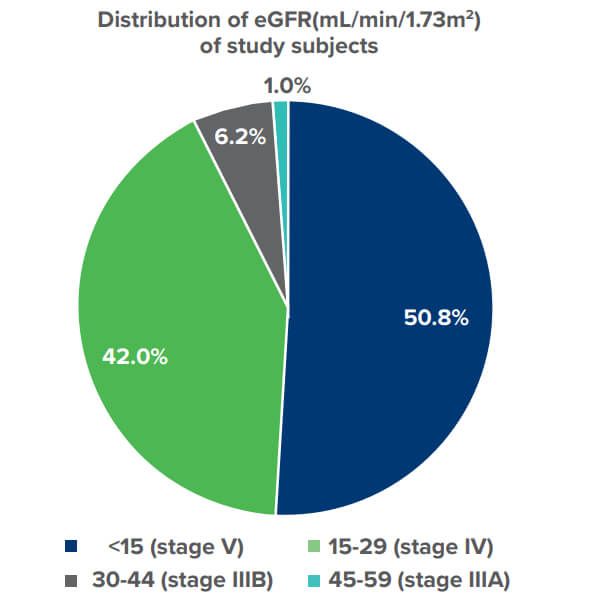
Figure 3: Distribution of eGFR(mL/min/1.73m²) of study subjects (n=500).
Distribution of CKD/CKDu
Out of total 500 patients, 24 were CKDu patients, constituting 4.8% of the studied CKD population
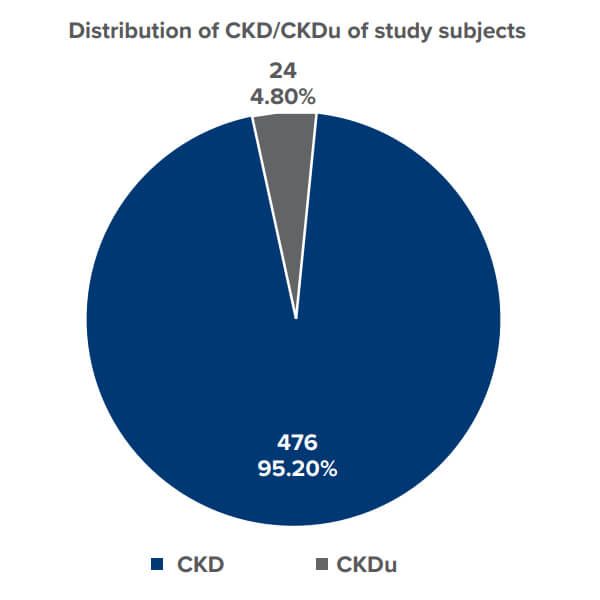
Figure 4: Distribution of CKD/CKDu of study subjects (n=500).
Association of different variables with CKD and CKDu
CKDu was most prevalent in the younger age groups: under 30 years (4 patients, 17% of all CKDu cases), 31-40 years (8 patients, 33%), and 41-50 years (8 patients, 33%). The older age group (over 50 years) had a total of 4 patients. The P value among these groups was statistically significant. Among the 24 CKDu patients, 12 (50%) were female, indicating that CKDu was equally prevalent in both sexes in our study.
Regarding education, 6 (25%) of the CKDu patients were uneducated, while the remaining 18 (75%) were educated. Additionally, 6 (25%) of the CKDu patients were farmers. The P value (0.0012) was statistically significant.
Risk factors identified in the CKDu group included pesticide contact (7 patients, 30%), tobacco use (8 patients, 33%), alcohol intake (8 patients, 33%), use of traditional remedies (11 patients, 46%), and heat stress/physical exertion (17 patients, 71%). All these risk factors, except for renal stones, showed statistical significance.
Of the 24 CKDu patients, 19 (80%) had an eGFR < 30 ml/ min/1.73m2. Among these, 9 (38%) were in CKD stage V, and 10 (42%) were in CKD stage IV, indicating that most patients were in advanced stages of the disease.
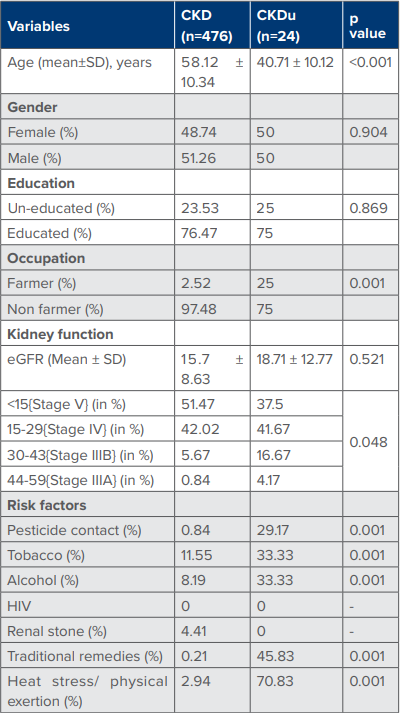
Table 1: Association of different variables with CKD and CKDu.
Discussion:
Recently, a form of CKD among rural agricultural communities, not attributable to traditional causes such as diabetes and hypertension, has been reported in larger studies from Central America, Southern Asia, North and West Africa, and Egypt. This condition has been collectively termed CKDu.9 There is a notable lack of literature on CKDu from India, with only a few studies conducted to explore its risk factors and prevalence across the country. Most of these studies have been concentrated in the southern parts of India. Our study was conducted in a tertiary care hospital that serves both urban and rural populations in and around the National Capital Region (NCR). This study aimed to determine the prevalence of CKDu and identify associated risk factors.
A cross-sectional study was conducted over an 18-month period, involving 500 CKD patients from the hospital's OPD. Inclusion criteria were CKD patients (as defined by KDIGO guidelines 21) aged 18 years and above. Patients with AKI and those in critical condition were excluded. All participants underwent routine kidney function tests.
Among the study population, CKDu was identified in 24 out of 500 patients (4.8%) with CKD after excluding traditional risk factors such as diabetes, hypertension, haematuria, proteinuria, urinary tract disease, HIV, and history of snakebite. CKDu was found to be more common in young adults under 50 years of age.
In our study, a significant portion of CKDu patients were either farmers or had no formal education. Specifically, a quarter of the CKDu patients were engaged in farming, and another quarter were uneducated. Among these patients, the majority had severely reduced kidney function, with most in advanced stages of CKD.
Notably, pesticide exposure, tobacco use, alcohol consumption, and the use of traditional remedies were prevalent among CKDu patients. Nearly half of these patients reported using traditional remedies, and a substantial number experienced heat stress or engaged in strenuous physical labor. These risk factors were considerably more common among CKDu patients compared to those with traditional CKD, highlighting a significant association.
The average age of CKDu patients in our study was just over 40 years, aligning with the age groups examined in the study by Tadapudi et al.22 Most of the participants in our study were between 61 and 70 years old, making up the largest segment of our study population. There were very few participants under 30 years old and a small percentage over 70 years. The vast majority of our participants fell within the 31 to 70 years age range.
In terms of gender distribution, our study population was almost evenly split, with slightly more men than women. This male predominance is consistent with the findings of Ookalkar et al.,23 who also reported a higher number of male participants in their study.
Reports have indicated high incidences of CKDu among agricultural communities in the southern Indian states of Andhra Pradesh and Odisha, as reviewed by Chatterjee et al. 24 and Ganguly et al.25 However, there is a lack of population-based data from India. A study by Cristina et al.26 found a 5% prevalence of CKDu in Visakhapatnam, Andhra Pradesh. Abraham et al. 16 reported a 13% prevalence of CKDu in the Srikakulam region. Suchitra et al.27 highlighted a high prevalence of CKDu in Bhubaneswar, Odisha. In a hospital-based pilot study in the Marathwada region of Maharashtra, 40% of patients with chronic kidney disease (CKD) had no known cause.28 Additionally, the Canacona region in South Goa has consistently reported a high prevalence of CKD, around 10%, over the past few years.29
The prevalence of CKDu in our study was 4.8%, consistent with global findings and complementing the limited studies available from India, primarily from southern states. Among the traditional risk factors for CKD, diabetes and hypertension were the most common in our study population.
A meta-analysis by Lunyera et al.,30 reviewing numerous studies from CKDu-endemic countries such as Sri Lanka, Nicaragua, and El Salvador, identified common features of CKDu, including its occurrence mainly in agricultural communities and predominantly among young male farmers.
In our study, CKDu was notably more common in younger age groups and was equally prevalent among both sexes. This finding is consistent with Lunyera et al.'s results. The mean urea and creatinine levels in CKDu patients were elevated, and most had significantly reduced eGFR, with many in advanced stages of CKD. This aligns with similar findings in Sri Lankan studies that explored the relationship between eGFR and CKDu.30,31
Limitations
Our study has some limitations. The reported CKDu prevalence of 4.8% may not fully represent the true extent of the condition, as the actual number of affected individuals in this region could be substantially higher. Since, our hospital is located in the NCR Delhi region, we may be treating a higher proportion of urban versus rural patients. Only a registry and epidemiological study could provide a more accurate count. Additionally, we did not include less frequently measured non-traditional risk factors such as dietary exposure, ambient temperature, altitude, and body mass index (BMI). Furthermore, the exact pathology of CKDu could not be determined due to the inability to perform kidney biopsies on the patients.
Conclusion and Recommendations:
Our study is among the few studies on the prevalence and risk factors of CKDu in Northern India. The prevalence of CKDu was found to be 4.8% in a combined rural and urban population in the Delhi-NCR region. This prevalence rate is similar to that reported in other major Indian studies on CKDu, which were conducted mostly in the rural population of Southern India. The most common risk factors for CKDu identified in our study were pesticide contact, tobacco use, alcohol intake, use of traditional remedies, and heat stress/physical exertion. These risk factors were significantly more prevalent in the CKDu group compared to traditional CKD patients. Younger age groups (under 50 years) were more commonly affected by CKDu in our study. Among all CKDu patients, 80% were in either stage IV or stage V of CKD, indicating advanced disease at presentation. This highlights the need for a better understanding of CKDu risk factors and early identification to prevent advanced disease.
Conclusion and Recommendations:
Narinder Pal Singh, Gulshan K Randhava, Manoj Singhal, Neeru P Agarwal, Dinesh Khullar, Anish Kumar
Gupta. Aetiological Profile and Risk Factors of Chronic Kidney Disease with a Focus on Chronic Kidney
Disease of Unknown Origin: Insights from a Cross-Sectional Study. MMJ. 2024, Dec. Vol 1 (4).
DOI: XXXXXXXXXXXXXXXXXX
References
- Bikbov B, Purcell C, Levey A, et al. Global, regional, and national burden of chronic kidney disease, 1990–2017: a systematic analysis for the Global Burden of Disease Study 2017. The Lancet. 2020;395(10225):709-733.
- Ramachandran A, Snehalatha C, Kapur A, et al. High prevalence of diabetes and impaired glucose tolerance in India: National Urban Diabetes Survey. Diabetologia. 2001;44(9):1094-1101.
- Devi P, Rao M, Sigamani A, et al. Prevalence, risk factors and awareness of hypertension in India: a systematic review. Journal of Human Hypertension. 2012;27(5):281-287.
- Kovesdy C, Furth S, Zoccali C. Obesity and Kidney Disease: Hidden Consequences of the Epidemic. American Journal of Nephrology. 2017;45(3):283-291.
- Prasad G. Metabolic syndrome and chronic kidney disease: Current status and future directions. World Journal of Nephrology. 2014;3(4):210-219.
- Imig JD, Ryan MJ. Immune and inflammatory role in renal disease. Compr Physiol. 2013;3(2):957-976.
- Caplin B, Yang C, Anand S, et al. The International Society of Nephrology’s International Consortium of Collaborators on Chronic Kidney Disease of Unknown Etiology: report of the working group on approaches to population-level detection strategies and recommendations for a minimum dataset. Kidney International. 2019;95(1):4-10.
- Rathore V, Pal R, Galhotra A, et al. Sun-114 a clinical and epidemiological profile of patients with chronic kidney disease of unknown etiology attending aiims, raipur, Chhattisgarh. Kidney Int Rep. 2020;5(3):S248.
- Singh NP, Gupta AK, Kaur G, et al. Chronic Kidney Disease of Unknown Origin - What do we know? The Journal of the Association of Physicians of India. 2020 Feb;68(2):76-79.
- De Broe M. Chinese herbs nephropathy and Balkan endemic nephropathy: toward a single entity, aristolochic acid nephropathy. Kidney International. 2012;81(6):513-515.
- Nogawa K, Kido T. Biological monitoring of cadmium exposure in itai-itai disease epidemiology. International Archives of Occupational and Environmental Health. 1993;65(S1):S43-S46.
- Rajapurkar M, John G, Kirpalani A, et al. What do we know about chronic kidney disease in India: first report of the Indian CKD registry. BMC Nephrology. 2012;13:10.
- Trabanino R, Aguilar R, Silva C, et al. Nefropatía terminal en pacientes de un hospital de referencia en El Salvador. Revista Panamericana de Salud Pública. 2002;12(3):202-206.
- Bamias G, Boletis J. Balkan Nephropathy: Evolution of Our Knowledge. American Journal of Kidney Diseases. 2008;52(3):606-616.
- Chandrajith R, Nanayakkara S, Itai K, et al. Chronic kidney diseases of uncertain etiology (CKDue) in Sri Lanka: geographic distribution and environmental implications. Environmental Geochemistry and Health. 2010;33(3):267-278.
- Abraham G, Agarwal S, Gowrishankar S, et al. Chronic Kidney Disease of Unknown Etiology: Hotspots in India and Other Asian Countries. Seminars in Nephrology. 2019;39(3):272-277.
- Das AK, Corrado OJ, Kyerematen E, et al. Do doctors understand alcohol units?. Clin Med (Lond). 2009;9(6):525-527.
- Pleasants RA, Rivera M, Tilley S, et al. Both Duration and Pack-Years of Tobacco Smoking Should Be Used for Clinical Practice and Research. Annals of the American Thoracic Society. 2020;17(7):804-806.
- Unger T, Borghi C, Charchar F, et al. 2020 International Society of Hypertension Global Hypertension Practice Guidelines. Hypertension. 2020;75(6):1334-1357.
- American Diabetes Association. Classification and diagnosis of diabetes: Standards of Medical Care in diabetes-2020. Diabetes Care. 2020;43(Suppl 1):S14–31.
- Kidney Disease: Improving Global Outcomes (KDIGO) CKD Work Group. KDIGO clinical practice guideline for the evaluation and management of chronic kidney disease. Kidney Int Suppl. 2013;3:1-150.
- Tadapudi R, Rentala S, Gullipalli P, et al. High Prevalence of CKD of Unknown Etiology in Uddanam, India. Kidney International Reports. 2019;4(3):380-389.
- Ookalkar D, Ookalkar A, Gupta VL, et al. Clinical profile of chronic kidney disease of unknown origin in patients of Yavatmal district, Maharashtra, India. J Renal Endocrinol. 2021;7:e01.
- Chatterjee R. Occupational hazard. Science. 2016; 352(6281): 24-7.
- Ganguli A. Uddanam Nephropathy/Regional Nephropathy in India: Preliminary Findings and a Plea for Further Research. American Journal of Kidney Diseases. 2016;68(3):344-348.
- O’Callaghan-Gordo C, Shivashankar R, Anand S, et al. Prevalence of and risk factors for chronic kidney disease of unknown aetiology in India: secondary data analysis of three population-based cross-sectional studies. BMJ Open. 2019;9(3):e023353.
- Suchitra M, Mahapatra R. Kidney conundrum. Down to earth. [cited 2021 March 26]. Available from: http://www.downtoearth. org. in/coverage/kidney-conundrum-42845
- Kulkarni S, Gadekar K. APICON medicine update 2017. Chapter 128: chronic kidney disease of unknown etiology. Mumbai, India. 2017 [cited 2021 March 26]. Available from: http://www. apiindia. org/pdf/medicine_update_2017/mu_128.pdf
- Mascarenhas S, Mutnuri S, Ganguly A. Deleterious role of trace elements – Silica and lead in the development of chronic kidney disease. Chemosphere. 2017;177:239-249.
- Lunyera J, Mohottige D, Isenburg M, et al. CKD of Uncertain Etiology: A Systematic Review. Clinical Journal of the American Society of Nephrology. 2015;11(3):379-385.
- Kulathunga M, Wijayawardena M, Naidu R, et al. Association between body mass index and estimated glomerular filtration rate in patients with chronic kidney disease of unknown aetiology in Sri Lanka. Environmental Geochemistry and Health. 2020;42(9):2645-2653.