 WhatsApp Us (24/7)
 +91 926 888 0303 (24/7)


Abstract: Haemodialysis is a life-sustaining procedure performed on patients with end-stage renal disease. However, it is not without risks and patient safety during haemodialysis is of utmost importance. This research study aims to evaluate the efficacy of a quality improvement Haemodialysis Safety Checklist in enhancing patient safety and improving the performance of nursing staff. A comparative analysis approach was employed to assess the impact of implementing the Haemodialysis Safety Checklist. The study involved two groups:
an intervention group where the checklist was implemented and a control group where the checklist was not introduced. Patients’ health records were assessed then to check the frequency of complications/ serious events and deaths. The results of the study showed that the implementation of a checklist had a positive impact on compliance and safety during the dialysis procedure. Before dialysis, only one participant (0.1%) did not comply with thermometer reading, while the majority, 749 (99.9%), followed the protocol. Similarly, 5 participants (0.7%) did not undergo weight checks before dialysis, which decreased to four participants (0.5%) after checklist implementation. In terms of vital signs, 35 participants (4.7%) did not have them checked before dialysis, while only two participants (0.3%) skipped them post-dialysis. Adverse events were minimal, with most participants not experiencing hypoglycaemic or hypotensive episodes, complications at the access site, requiring Renal Replacement Therapy (RRT) or encountering Code Blue situations, blood loss, falls, or needle stick injuries. The introduction of the checklist reduced the percentage of participants not having their weight measured after dialysis from 6.7% to 0.4%, with a statistically significant chi-square value ( <0.001*). Similarly, the occurrence of cramps decreased from 99.7% to 98.9% after dialysis. These findings demonstrate the checklist’s effectiveness in improving compliance and reducing adverse events during dialysis.
Keywords: Haemodialysis, safety checklist, quality improvement, patient safety, performance improvement
Introduction and background
End-stage renal disease is a condition in which kidneys can no longer adequately filter toxins from the blood and remove fluid from the body. Thus, people with this condition require a kidney transplant or dialysis to stay alive. CKD is a worldwide public health problem, a social calamity and an economic catastrophe. There are no national data on the magnitude and pattern of CKD in India, but it is estimated that the number of deaths related to CKD rose from 0.59 million in 1990 to 1.18 million in 2016.[1] A 2018 estimate put the number of chronic dialysis in India at about 175,000, giving a prevalence of 129 per million population.[2]
Medical errors in a Haemodialysis unit are not uncommon, given the patient suffering from end stage renal disease have multiple co-morbidities, requires polypharmacy, complex treatment and a high coordinated multi-disciplinary approach with other hospital departments.[3][4] These all factors lead to a stressful and busy HD units which are mostly working 24 hours a day, seven days a week in different shifts.
One possible way to reduce these medical errors is to absorb successful interventions in other healthcare contexts into HD care. A Checklist is typically an algorithmic listing of actions that can improve the performance, coordination and quality of work in the complex, high intensity HD units.[5-9] Checklists have shown to improve the safety of the patients and also improve the adherence to the policies, communication and teamwork among dialysis staff.[10] A systematic review of checklists showed a large effect size in reducing the relative risk of surgical complications.[11] Checklists have also reduced complications of inpatient procedures such as insertion of central venous catheters.[12]
The HD unit may be an appropriate venue for a safety checklist, where it may prevent errors under this stressful condition and maintain staff precision, focus, clarity and memory recall[13]. Therefore, our objective was to verify the efficacy and feasibility of a designed safety checklist to smoothen the dialysis journey of the patient, prevent medical errors as well as be feasible to implement in clinical practice.
Supportive evidence
Several studies have been conducted to evaluate the effectiveness of implementing a haemodialysis safety checklist for nursing staff in improving patient safety and nursing performance.
Alison Thomas et al. (2016)[14] conducted a feasibility study titled “Feasibility of a haemodialysis safety checklist for nurses and patients: a quality improvement study.” The study included 799 participants and found that 93% of nurses agreed that the checklist was easy to use. Additionally, 73% of haemodialysis patients reported feeling safer with the implementation of the checklist. These findings suggest that the checklist was well-received by both nurses and patients, indicating its potential as a valuable tool for improving patient safety in haemodialysis settings.
In a study by Samuel A. Silver et al. (2015),[15] titled “Development of a haemodialysis safety checklist using a structured panel process,” a structured panel process was employed to develop a haemodialysis safety checklist. The study involved more than 75% of participants who agreed that the checklist greatly contributed to standardising the haemodialysis procedure. This suggests that the checklist effectively assists in ensuring consistent and standardised care delivery, which is crucial for patient safety in haemodialysis settings.
Ragaa A. El-Aziz et al.[16] conducted a study to evaluate the effectiveness of patient safety guidelines for nurses in haemodialysis units. The study found that before the implementation of the guidelines program, the total mean scores of nursing performance were 178.06±49, which significantly increased to the highest total mean scores of 280.02±35.5 after the implementation of the guidelines. These results indicate that the development and implementation of patient safety guidelines had a positive effect on nurses’ performance in haemodialysis units, further emphasising the importance of implementing such guidelines to enhance patient safety and nursing care.
Overall, the literature supports the efficacy of haemodialysis safety checklists and patient safety guidelines in improving patient safety, standardising procedures and enhancing nursing performance in haemodialysis settings. These findings highlight the value of implementing these quality improvement initiatives to ensure safe and high-quality care for haemodialysis patients.
Evidence gap
While the existing literature provides valuable insights into the efficacy of haemodialysis safety checklists for nursing staff, there are still some gaps that need to be addressed through further research. Many studies conducted on haemodialysis safety checklists have relatively small sample sizes. These studies may not capture the full spectrum of diverse clinical practices and settings. While some studies have explored the impact of haemodialysis safety checklists on patient perceptions of safety, there is a need for studies that objectively measure patient outcomes. Assessing clinical indicators such as infection rates, adverse events and mortality rates would provide stronger evidence of the checklist’s efficacy in improving patient safety.
Rationale of study
The rationale for conducting a research study on the evaluation of the efficacy of a quality improvement Haemodialysis Safety Checklist for nursing staff lies in the critical importance of patient safety during haemodialysis procedures. Haemodialysis is a complex procedure that carries inherent risks, such as infection, medication errors and emergency situations. Implementing effective strategies to enhance patient safety is vital for improving outcomes and reducing adverse events in haemodialysis settings. A Haemodialysis Safety Checklist has the potential to serve as a valuable tool in standardising care, minimising errors, improving communication and ensuring adherence to best practices. However, there is a need to scientifically evaluate the efficacy of such checklists to provide evidence-based recommendations for their implementation.
Aims and objective
Aims of the clinical research Study:
The aim of this study was to find whether the safety and security of the patients improved when adding the quality improvement safety checklist as a part of the haemodialysis procedure.
Objectives of the clinical research study:
Primary objective
- The primary objective of this study was to assess the compliance of a designed safety checklist.
Secondary Objective
- Another objective was to reduce the number of complications and error of chances during the haemodialysis of CKD patients.
- To mark and ensure the safety culture and security level of the patients before, during and after the complicated haemodialysis procedure.
Methodology
Study design: The quasi-comparative experimental study design was used to compare the level of number of complications before and after the implementation of safety checklist. Data from the past two months were filtered out for number of complications retrospectively and then compared with the data from forthcoming two months prospectively
Inclusion and exclusion criteria: The study included patients who receive haemodialysis treatment either in a day-care setting (outpatient basis) or while admitted to the hospital (inpatient basis). This allows for a comprehensive evaluation of the Haemodialysis Safety Checklist’s efficacy in different care contexts. The study included patients of all age groups, ranging from paediatric to adult to elderly individuals. This ensures the inclusion of diverse age populations receiving haemodialysis treatment, enabling a comprehensive assessment of the checklist’s impact across different age groups. We only included patients within a planned time frame (i.e., time) for data collection. This ensures that patients undergoing haemodialysis treatment during the specified period are considered for inclusion in the study, providing a snapshot of the checklist’s efficacy within a defined timeframe
Study duration
The study considered the data of patients who underwent haemodialysis treatment starting from a specific baseline date (date). This baseline date served as the starting point for data collection and evaluation. Then we retrospectively included data from three months prior to the baseline date. This retrospective period allowed for the collection of historical data on patient safety before the implementation of the Haemodialysis Safety Checklist. Following the baseline date, the study continued for a period of three months into the future. This prospective period allowed for the collection of data on patient safety after the implementation of the quality improvement Haemodialysis Safety Checklist.
Sample size: To ensure the representation of appropriate and generalised results, the study included a total of 1498 patients in the sample. The sample was divided into two groups, one comprising 749 patients from the last two months from baseline date and another comprising 749 patients from the next two months originating from baseline date.
Data point: We considered the following data points for comparison among two cohorts.
- Thermometer reading
- Pre dialysis weight check
- Pre dialysis vitals
- Hypoglycaemic episode
- Hypotensive episode
- Complications at access site
- RRT/ Code blue
- Blood loss during HD
- Falls during dialysis
- Post dialysis weight check
- Needle stick injury
- Cramps
Study sites: The data for this research study was collected from the Dialysis unit of Max Smart Super Speciality Hoapital, Saket, New Delhi, located in Saket. Max Smart Super Speacility Hospital, Saket, New Delhi is a renowned healthcare facility known for its specialised services and expertise in various medical disciplines, including haemodialysis.
Interventions: As part of the interventions implemented in this study, a mandatory quality improvement Haemodialysis Safety Checklist was introduced and incorporated into the list of responsibilities for the dialysis unit nursing staff. This intervention aimed to enhance patient safety and improve the standardisation of care delivery during haemodialysis procedures. It comprised of safety check before, during and after implementing the dialysis parameters for safe screening. A literature review was conducted to inform the content and format of the HD safety checklist. The development team searched PubMed for relevant articles using a search strategy. The development team used the results of this literature review to identify patient safety parameters that could be considered for inclusion in a HD safety checklist. Final parameters were fixed after discussion with experienced panel of dialysis department.
Data collection and handling: The data was collected from the electronic administrative systems of the hospital, which stored relevant patient information. To ensure accuracy and reliability, the collected data was cross-checked and verified against each patient’s medical record, which served as the primary source of information. The data collection process was integrated into the daily routine patient documentation within the hospital. The healthcare staff responsible for documenting patient information followed standardised protocols and procedures to ensure consistency and completeness. Moreover, the data handlers involved in the analysis and interpretation of the collected data were also blinded to the specific checklists used in the care of individual patients.
Statistical analysis plan: Descriptive statistics were calculated using the SPSS, version 24 (IBM Corporation). Frequencies were measured in numbers and percentages. Chi-square test was incorporated to find the difference between the pre and post intervention groups. Two-sided P ≤ .05 was set as statistically significant.
Results
Out of the total 749 participants, the mean age of the participants is 55.0 years. The results of the chi-squared test show that there are a number of significant differences between the pre- and post-intervention groups. These differences suggest that the intervention was effective in reducing the number of adverse events that occurred during dialysis.
The study findings shed light on the effectiveness of interventions aimed at enhancing patient compliance and improving outcomes within the hemodialysis unit. Noteworthy changes were observed across several key parameters before and after the implementation of targeted measures. While the increase in compliance with thermometer reading from 0.1% to 0.3% postintervention was marginal as only 1 participant did not comply with thermometer reading, it reflects a positive trend towards improved adherence to protocol, although the change was not statistically significant. Similarly, the minimal shift in pre-dialysis weight checks from 0.7% to 0.5% post-intervention, where prior to dialysis, 5 participants did not undergo weight checks, which slightly decreased to 4 participants in the post dialysis period after the introduction of checklist, suggests a consistent but insignificant improvement in this aspect of patient care.
In contrast, the significant enhancement in compliance with pre-dialysis vital checks, which decreased from 4.7% to 0.3%, underscores a notable improvement in adherence to prescribed protocols post-intervention. In the pre-dialysis stage, 35 participants (4.7 %) did not have their vital signs checked. But, in the post-dialysis period, only 2 participants (0.3%) skipped the vital signs measurement. This substantial reduction indicates a more rigorous approach to patient monitoring with the help of checklist, potentially leading to better management of their health status and early detection of any abnormalities or complications.
The chi-square value was also statistically significant ( <0.001*) suggesting a significant improvement in compliance with vital signs measurement after dialysis.
Although the occurrences of hypoglycemic and hypotensive episodes showed minor fluctuations with no significant changes. Prior to dialysis, the majority of participants, 729 (97.3%), did not experience hypoglycemic episodes. This number slightly decreased to 740 participants (98.8%) after dialysis, also the chi-square value of 0.345 indicated that the difference was not statistically significant. Similarly, both before and after dialysis, the majority of participants did not experience hypotensive episodes and chi-square value of this variable is 0.487 indicated no significant difference between pre and post measurements. The study identified a significant (chi-square value <0.001*) decrease in complications at access sites, as in the pre-dialysis stage, 730 participants (97.5%) had no complications at the access site. This number improved to 748 participants (99.9%) after dialysis, which plummeted from 2.5% to 0.1% post-intervention. This decline signifies a marked improvement in patient safety and care quality, suggesting that the implemented interventions effectively mitigated potential risks associated with vascular access during hemodialysis procedures.
Moreover, the absence of occurrences related to RRT/CODE BLUE (98.5% before dialysis and 100.0% after dialysis), blood loss during hemodialysis (99.9% before dialysis and 100.0% after dialysis), falls during dialysis, and needle stick injuries post-intervention indicates a substantial improvement in patient safety within the hemodialysis unit. These findings reflect a successful outcome of the interventions in reducing adverse events and enhancing overall patient well-being during dialysis sessions with the help of checklist.
Furthermore, the notable reduction in post-dialysis weight checks from 6.7% to 0.4% signifies a streamlined approach to patient management with the introduction of checklist, as 50 participants (6.7%) did not have their weight measured after dialysis procedure before the introduction of checklist and this number reduced to 3 (0.4%) after the introduction of checklist, signify potentially minimizing unnecessary procedures and optimizing resource utilization within the unit. Similarly, the slight decrease in cramp occurrences from 1.1% to 0.3%, although not statistically significant, suggests a positive trend towards improved patient comfort and experience during hemodialysis sessions.
Overall, the study outcomes underscore the effectiveness of targeted interventions in enhancing patient compliance and safety, as well as improving the overall quality of care within the hemodialysis unit. These findings have important implications for clinical practice, emphasizing the value of systematic approaches to protocol adherence and patient monitoring in optimizing outcomes for individuals undergoing hemodialysis treatment.
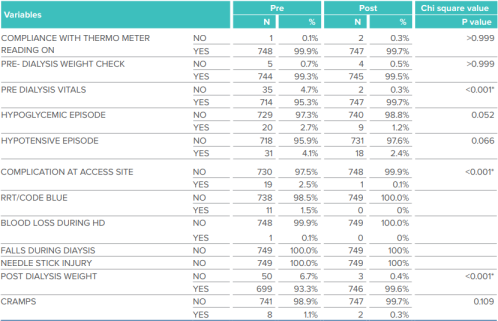
Table 1.1: depicting the changes in the variables after the introduction of checklist
*indicates statistically significant cases
Discussion
The implementation of a comprehensive checklist has demonstrated notable effectiveness in enhancing compliance with essential protocols and safety measures within the hemodialysis setting. Remarkably, the checklist facilitated a significant improvement in adherence to various procedural requirements among nursing staff and technicians. For instance, the minimal non-compliance rate observed for thermometer readings, with only 0.3% of participants failing to adhere, underscores the checklist’s utility in reminding healthcare providers to follow specified procedures diligently.
Similarly, the introduction of the checklist led to a marked reduction in the number of participants omitting pre-dialysis weight checks, indicative of its role in promoting consistent adherence to critical procedural steps.
One of the most notable improvements observed with the use of the checklist was in the compliance with vital signs measurement. The significant decrease in the number of participants who skipped vital signs measurement from 35 (4.7%) to only 2 (0.3%) after dialysis clearly demonstrates the checklist’s effectiveness in reinforcing the importance of monitoring and recording vital signs accurately. This improvement in compliance can contribute to the early identification of any deviations from normal values, leading to timely interventions and enhanced patient safety. The results of our study are in keeping with the results of one other hemodialysis checklist feasibility studies [14], their checklist was found to reduce the chances of missed blood pressure reading with its introduction.
In terms of adverse events, the study revealed favorable outcomes. The majority of participants did not experience hypoglycemic or hypotensive episodes, complications at the access site, falls, needle stick injuries, or the need for Renal Replacement Therapy (RRT) or Code Blue situations. These findings suggest that the implementation of the checklist and adherence to established protocols have contributed to a safer dialysis environment and reduced the occurrence of adverse events.
The checklist also played a significant role in improving postdialysis practices. The substantial reduction in the percentage of participants not having their weight measured after the procedure from 6.7% to 0.4% highlights the checklist’s impact on ensuring the completion of essential post-dialysis assessments. Additionally, the decreased occurrence of cramps after dialysis (99.7% to 98.9%) further supports the checklist’s influence in minimizing potential complications associated with the procedure. These results are in line with studies of Samuel A. Silver et al. (2015) [15] and Ragaa A. El-Aziz et al. [16].
Our findings have significant implications in the field of hemodialysis safety. Firstly, they provide evidence that a hemodialysis safety checklist can be effectively implemented during each hemodialysis session. However, the specific design of the checklist should be tailored to the local hemodialysis unit’s policies, practices, and patient safety objectives. It is important to note that hemodialysis follows a relatively standardized process, so the key components of our checklist can serve as a foundation for designing checklists in other hemodialysis settings. Secondly, our findings underscore the importance of patient safety for both nursing staff and patients. Both groups acknowledged that the implementation of the checklist improved patient safety and expressed support for extending its use to other patients. This aligns with the local, provincial, and national healthcare initiatives aimed at enhancing patient safety. It also serves as an initial push to consider incorporating checklists into hemodialysis units as a means to promote best practices and foster an organizational culture of safety. Notably, checklists and their compliance are already being integrated as quality metrics in various medical disciplines within Canada [17]. In summary, our findings emphasize the feasibility and value of a hemodialysis safety checklist, customized to local needs, in improving patient safety. The positive response from nursing staff and patients supports the broader implementation of checklists to enhance safety practices and organizational culture. By incorporating checklists into hemodialysis units, we can align with existing healthcare mandates and advance the goal of promoting patient safety across medical disciplines.
CONCLUSION:
In conclusion, the implementation of a checklist in the dialysis setting has proven to be highly effective in improving compliance with protocols and enhancing patient safety. The findings of this study demonstrate that the checklist played a crucial role in ensuring adherence to essential procedures such as thermometer reading and weight checks, resulting in high compliance rates among nursing staff and technicians. Moreover, the checklist significantly improved compliance with vital signs measurement, leading to better monitoring and early detection of any deviations. The checklist serves as a valuable tool for enhancing compliance with various protocols and promoting patient safety. By reinforcing adherence to guidelines and ensuring consistent monitoring, checklists can contribute to the early detection of potential complications, minimise adverse events and improve overall outcomes for dialysis patients. Continued utilisation and evaluation of checklists in clinical practice can further enhance the quality and safety of dialysis procedures
References
- Xie Y, Bowe B, Mokdad AH, Xian H, Yan Y, Li T, Maddukuri G, Tsai CY, Floyd T, Al-Aly Z: Analysis of the Global Burden of Disease study highlights the global, regional, and national trends of chronic kidney disease epidemiology from 1990 to 2016. Kidney Int 94: 567–581, 2018 10.1016/j.kint.2018.04.011
- Jha V, Ur-Rashid H, Agarwal SK, Akhtar SF, Kafle RK, Sheriff R; ISN South Asia Regional Board: The state of nephrology in South Asia. Kidney Int 95: 31–37, 2019 10.1016/j.kint.2018.09.001
- Bray BD, Boyd J, Daly C, Doyle A, Donaldson K, Fox JG, et al. How safe is renal replacement therapy? A national study of mortality and adverse events contributing to the death of renal replacement therapy recipients. Nephrol Dial Transplant. 2014;29:681–7. doi: 10.1093/ndt/gft197
- Haemodialysis administration: strategies to ensure safe patient care. Pa Patient Saf Advis 2010, 3:87–96
- Agency for Healthcare Research and Quality Checklists. Agency for Healthcare Research and Quality, Rockville, MD, 2018
- Hales B, Terblanche M, Fowler R, Sibbald W. Development of medical checklists for improved quality of patient care. Int J Qual Health Care. 2008 Feb;20(1):22-30. doi: 10.1093/intqhc/mzm062
- Haynes AB, Weiser TG, Berry WR, Lipsitz SR, Breizat AH, Dellinger EP, Dziekan G, Herbosa T, Kibatala PL, Lapitan MC, Merry AF, Reznick RK, Taylor B, Vats A, Gawande AA; Safe Surgery Saves Lives Study Group. Changes in safety attitude and relationship to decreased postoperative morbidity and mortality following implementation of a checklist-based surgical safety intervention. BMJ Qual Saf. 2011 Jan;20(1):102-7. doi: 10.1136/bmjqs.2009.040022
- Atul Gawande; The Checklist manifesto. Metropolitan Books, NewYork, NY, 2010
- Bergs J, Hellings J, Cleemput I, Simons P, Zurel Ö, Vertriest S, Vandijck D. Surgical safety checklists : an update. Acta Chir Belg. 2014 Jul-Aug;114(4):219-24
- Treadwell JR, Lucas S, Tsou AY. Surgical checklists: a systematic review of impacts and implementation. BMJ Qual Saf. 2014;23:299–318. doi: 10.1136/bmjqs-2012-001797
- Haynes AB, Weiser TG, Berry WR, Lipsitz SR, Breizat AH, Dellinger EP, et al. A surgical safety checklist to reduce morbidity and mortality in a global population. N Engl J Med. 2009;360:491–9. doi: 10.1056/NEJMsa0810119
- Pronovost P, Needham D, Berenholtz S, Sinopoli D, Chu H, Cosgrove S, et al. An intervention to decrease catheterrelated bloodstream infections in the ICU. N Engl J Med. 2006;355:2725–32. doi: 10.1056/NEJMoa061115
- Hales BM, Pronovost PJ. The checklist–a tool for error management and performance improvement. J Crit Care. 2006;21:231–5. doi: 10.1016/j.jcrc.2006.06.002
- Thomas A, Silver SA, Rathe A, Robinson P, Wald R, Bell CM, Harel Z. Feasibility of a haemodialysis safety checklist for nurses and patients: a quality improvement study. Clin Kidney J. 2016 Jun;9(3):335-42. doi: 10.1093/ckj/sfw019. Epub 2016 Apr 14. PMID: 27274816; PMCID: PMC4886914
- Silver SA, Thomas A, Rathe A, Robinson P, Wald R, Harel Z, Bell CM. Development of a haemodialysis safety checklist using a structured panel process. Can J Kidney Health Dis. 2015 Feb 12;2:5. doi: 10.1186/s40697-015- 0039-8. PMID: 25780628; PMCID: PMC4349476
- El-Aziz, Abd El Whab, & Mohamed Aref. (2018, July 12). Effectiveness Of Developed, Patients Safety Guidelines on Nurses Performance at Haemodialysis Units in Ministry of Health Hospitals. IOSR Journal of Nursing and Health Science, 7(4), 31–37. https://doi.org/10.9790/1959-0704013137
- Urbach DR, Govindarajan A, Saskin R et al. Introduction of surgical safety checklists in Ontario, Canada. N Engl J Med 2014; 370: 1029–1038