 WhatsApp Us (24/7)
 +91 926 888 0303 (24/7)


Abstract: India has been performing living donor liver transplants (LDLT) for almost three decades. The study aims to report LDLT experience from an Indian centre, including complications and outcomes. Retrospective study of 2083 liver transplant (LT) recipients who underwent LT between January 2015 to December 2022. Data analysed included clinical parameters, donor characteristics, surgical procedures, post-LT immunosuppression, post-surgical complications, and survival. Over the past 8 years, 2083 patients underwent LT (including 30 deceased donor LT, 12 dominoes, 95 ABO-incompatible LT (ABOi LT), and 43 swap donors) at a median age of 47 (IQR:36-55) years with females being 447 (21.5%). The data includes 302 children (14.5%), transplanted at a median age of 16.5 (IQR:11-72) months. The commonest etiology was chronic viral hepatitis (771, 37%) followed by alcoholic hepatitis (419, 20.1%). Median cold and warm ischemia time, graft recipient weight ratio, and blood loss were 93 (IQR:68-122) min, 32 (IQR:27-39) min, 1.07 (IQR:0.88-1.33) and 2 (IQR:1.4-3) Litres respectively. Postoperatively, on-table extubation was performed in 18.2%, and 72.8% were extubated on day one. Early extubated cases had better immediate post-LT outcomes than the late extubated group. Vascular events, bile leaks/strictures, sepsis, bleeding, chylous drain, rejection, and re-explorations were reported in 8.4%, 6.9%, 9.2%, 4.2%, 1.8%, 8.2% and 10.75% respectively in the immediate post-LT period. Up to 516 patients (24.7%) required some intervention (radiological, endoscopic, or surgical) in the postoperative period. Domino LTs and ABOi LTs have excellent post-surgical outcomes in children. Re-transplant due to graft fibrosis was required in 15 patients. Cumulative patient survival rates at 1, 3, and 5 years were 89.2%, 86%, and 84.5%, respectively. Despite being a resource-limited country, the LDLT has excellent short- and long-term outcomes. Early post-LT extubation has a better impact on overall survival. ABOi LT and Domino LT are efficient and safe in paediatric settings.
Introduction
Living donor liver transplantation (LDLT) has emerged as a vital treatment option for patients with end-stage liver disease, offering hope and improved outcomes. India’s journey in LDLT spans almost three decades, marked by significant advancements and contributions to the field of transplant surgery. The inception of LDLT in India can be traced back to the early 1990s when pioneering transplant surgeons began performing these complex surgeries. Over the years, the establishment of dedicated transplant centres has further propelled the growth of LDLT in India. India has achieved several milestones in LDLT, including the expansion of the donor pool and the refinement of surgical techniques1-3. Advances in imaging modalities, such as volumetric computed tomography (CT) scans, have facilitated precise donor evaluation and graft selection, leading to improved outcomes. Moreover, innovations in immunosuppressive protocols and postoperative care have contributed to enhanced patient survival rates. LDLT has had a profound impact on patient care and outcomes in India, offering a lifeline to individuals with advanced liver disease 4-5. Studies have reported favourable long-term survival rates and quality-of-life outcomes among LDLT recipients, highlighting the effectiveness of this surgical intervention6-7. Moreover, LDLT has enabled timely access to transplantation for patients facing long wait times for deceased donor organs, thereby reducing mortality on the transplant waiting list.
Materials and methods
A retrospective single-centre study conducted from January 2015 to December 2022 at the Centre for Liver and Biliary Sciences, Max Hospital, Saket, New Delhi, involved 2083 cases of liver transplants (LT). During the study period, a total of 95 ABO incompatible LT (ABOi LT) were performed. The data was retrospectively collected and analysed including clinical parameters, donor characteristics, surgical procedures, post-LT immunosuppression, immediate post-surgical complications and post-LT survival. Long-term outcomes have been defined as the post-LT outcomes that are noted beyond one year.
All liver transplants were conducted following approval from the institutional review committee and following national guidelines, adhering to both the Declarations of Helsinki and Istanbul. Owing to the retrospective nature of this study, the requirement for written informed consent was waived.
The surgical procedure for liver transplantation followed the previously published institute’s protocol8. Intraoperatively, methylprednisolone at 10mg/kg was infused during the hepatic phase. In paediatric cases, the on-table extubating protocol has been followed since 2017. Adult cases are extubated routinely in the uncomplicated cases on the next day morning following the surgery.
Triple immunosuppression with Tacrolimus, Mycophenolate mofetil (MMF) and steroids was initiated on the day of liver transplantation. Tacrolimus trough levels were maintained between 8 and 12 ng/mL in the first 3 months post-transplant, followed by 6-8 ng/mL thereafter in the first year. Long-term Tacrolimus levels were maintained between 3-5 ng/mL. MMF dose ranged from 20-40mg/kg/day (maximum 2 grams per day) in two divided doses.
In instances of biochemical graft dysfunction, following the exclusion of technical causes, the baseline immunosuppression was intensified. If there was no improvement within the subsequent 48 hours, characterised by a decrease of less than 50% in Aspartate aminotransferase levels, acute rejection was suspected, prompting a liver biopsy. Acute antibody-mediated rejection (AMR) was identified through histopathological examination, C4d staining and donor-specific antibody testing. The presence of endothelitis, ductular injury, and portal inflammation in histopathological findings suggested acute cellular rejection (ACR), which was managed according to established protocols. Upon confirming ACR, the baseline immunosuppression was heightened and a three-dose regimen of methylprednisolone at 10mg/kg/day was administered, followed by a rapid taper to oral 2mg/kg/day, gradually reducing over subsequent days. The management protocol for paediatric AMR varies and typically involves intensified baseline immunosuppression, steroid pulses and plasmapheresis for three consecutive days. If there was no response, a second steroid pulse with intravenous immunoglobulin (IVIG) was considered, based on the institution’s protocol. Refractory cases required treatment with anti-thymocyte globulin.
Statistical analysis
Statistical analysis was performed using SPSS version 26.0 for Windows software. Data were expressed as mean ± standard deviation (SD), or as a median and interquartile range for nonnormalised distribution and proportions (%). Chi-square or Fisher’s exact test was used for proportions, while independent sample t-test or Mann-Whitney U test was used for continuous variables. A p-value <0.05 was considered significant.
Results
The study enrolled 2083 patients, transplanted from January 2015 to December 2022 including 302 children. The liver transplants included 30 deceased donor LT, 12 domino LT, 95 ABO-incompatible LT, 43 swap donors LT and the rest ABOcompatible LT. Simultaneous liver-kidney transplants (SLKT) were performed in 20 cases (1%). The median age of LT recipients was 47 (IQR:36-55) years with females being 447 (21.5%). The baseline clinical characteristics are shown in Table 1. The overall cohort includes 302 (14.5%) paediatric LT recipients.
| Median age (years) | 47 (36-55) |
| Sex (females) | 21.5% |
| Type of liver failure | CLD:81.8%, ACLF:7.9%, ALF:5.5%, Rest:4.8% |
| Median PELD/MELD Na | 19 (8-12) |
| Median CTP score | 10 (8-12) |
| Pre-LT ICU stay | 147 (7%) |
Abbreviations: ACLF: Acute on chronic liver failure, ALF: Acute liver failure, CLD: Chronic liver disease, CTP: Child Turcott Pugh score, ICU: Intensive care unit, MELD: Model for end-stage liver disease, PELD: Paediatric Endstage liver disease score
Table 1: The baseline clinical characteristics of the LT recipients (n=2083)
Etiological spectrum: The commonest etiology was chronic viral hepatitis (771, 37%) followed by alcoholic hepatitis (419, 20.1%) as shown in Figure 1. The sub-spectrum of the paediatric cohort was different than adults and is depicted in Figure 2.
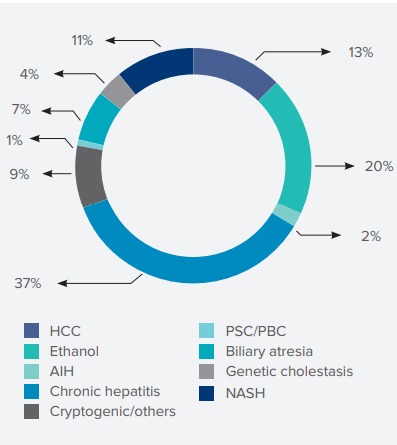
Figure 1: Etiological spectrum of LT recipients
Abbreviations: AIH- Autoimmune hepatitis, HCC- Hepatocellular carcinoma, NASH- Nonalcoholic steatohepatitis, PBC- Primary biliary cholangitis, PSC- Primary sclerosing cholangitis, *HCC includes patients with chronic viral hepatitis
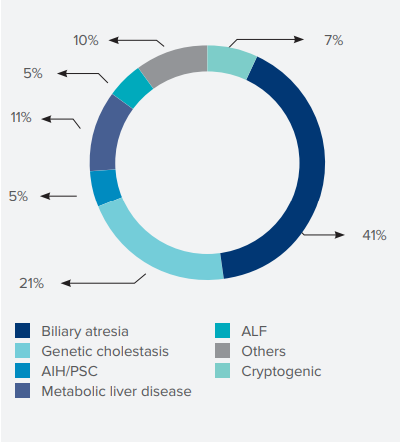
Figure 2: Etiological spectrum of paediatric LT recipients
Abbreviations: AIH- Autoimmune hepatitis, ALF- Acute liver failure, PSC- Primary sclerosing cholangitis
Donor characteristics
Of the total 2083 transplants, 1998 (96%) were living-related donors with 50.4% being spouses followed by other family members. For paediatric cases, most donors were parents (Mother- 48.7%; Father- 32.2%). There is no death reported in the donor cohort. Surgical and post-surgical parameters have been mentioned in (Table 2).
| Clinical parameter | Median (Q1-Q3) |
|---|---|
| Surgery duration (minute) | 450 (405-510) |
| Blood loss (ml) | 500 (400-500) |
| Remnant liver (%) | 36 (33-39) |
| Hospital stays (days) | 10 (9-11) |
| Post-surgery peak bilirubin | 2 (1.4-2.9) |
| Post-surgery peak INR | 1.7 (1.5-1.94) |
| Survival | 100% |
Table 2: Donor characteristics and post-surgery outcomes (n=1998)
Intraoperative characteristics
The median graft weight was 711 (IQR:594-820) grams. Median cold and warm ischemia time, graft recipient weight ratio and blood loss were 93 (IQR:68-122) min, 32 (IQR:27-39) min, 1.07 (IQR:0.88-1.33) and 2 (IQR:1.4-3) litres respectively. Anhepatic time was kept minimum with a median of 208 (IQR:162-252) minutes. All the patients were given intravenous methylprednisolone at 10mg/kg during the anhepatic phase.
Postoperative clinical course and complications
Postoperatively, on-table extubation was performed in 379 patients (18.2%) and 1516 (72.8%) were extubated on day one. Vascular events (Hepatic artery thrombosis, HAT and Portal venous thrombosis, PVT), bile leaks/strictures, sepsis, intrabdominal bleeding, chylous drain and rejection were reported in 8.4%, 6.9%, 9.2%, 4.2%, 1.8% and 8.2% respectively in the immediate post-LT period. Re-exploration was required in 224 patients (10.75%). Overall, up to 516 patients (24.7%) required some intervention (radiological, endoscopic, or surgical) in the early postoperative period (≤3 months). The median ICU stay and hospital stay were 11 (8-17) and 22 (19-31) days respectively. The post-LT one-month mortality in the early extubation group (on-table and postoperative day 1) was significantly lower than the late extubation group (8% vs 40%, p-value <0.001).
Paediatric cohort
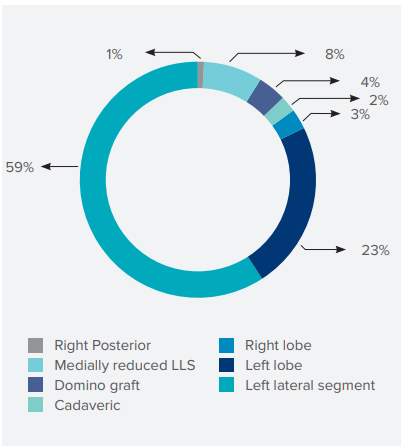
The sub-analysis of the paediatric cohort comprises 302 children at a median age of 16.5 (IQR:11-72) months. Baseline and operative characteristics have been mentioned in (Table 3). (Figure 2) shows the varied etiological spectrum of childhood liver diseases requiring LT. The commonest etiology was biliary atresia (41%) followed by genetic intrahepatic cholestasis (21%). Sixty percent received the left lateral segment followed by the left lobe (23%) as shown in (Figure 3). Postoperatively, on-table extubation was performed in 194 children (64%) and 36% were extubated later on. Post-LT complications have been mentioned in (Table 3). Seventy-four percent of the cases (n=225/302; 74.5%) had no complications. Twenty-two (5.4%) children developed biliary strictures on follow-up. Retransplants due to graft fibrosis were required in 5 children. Up to 60% of the transplanted children from remote peripheral areas, used online follow-up services. One year survival rate in the intervention group (radiological/surgical in the immediate post-LT period) was lower than the non-intervention group (58% vs 82%, p <0.05). Age ( <2 years vs>2 years) and graft size had no impact on long-term outcomes (p>0.05). The early post-LT mortality ( <3 months) was 7.7% in the on-table extubation group vs 28.7% in the late extubation group (p-value <0.001). To note, the other paragraphs are for both adults and children combined.
| Median age (Months) | 16.5 (11-72) |
| Sex (females) | 36% |
| Median weight (Kg) | 10 (7.5, 22) |
| Operative parameters | |
| GRWR | 2.4 (1.7-3.1) |
| WIT / CIT (minutes) | 25 (21-29) / 64 (44-89) |
| Anhepatic phase (minutes) | 45 (36-69) |
| Blood loss (ml) | 450 (250-950) |
| Post-operative complications* and stay | |
| HAT | 7 (2.3%) |
| PVT | 15 (4.9%) |
| Intraabdominal bleed | 55 (18.2%) |
| Sepsis (culture proven) | 31 (10.3%) |
| Bile leak | 19 (6.3%) |
| Rejection | 39 (13%) |
| Re-exploration | 41 (13.6%) |
| Intervention (≤3 months post-LT) | 87 (28.8%) |
| No complication | 225 (74.5%) |
| Hospital Stay (Days) | 27 (21-37) |
| ICU Stay (Days) | 14 (10-20) |
Abbreviations: CIT- Cold ischemia time; GRWR- Graft to recipient weight ratio; HATHepatic artery thrombosis; ICU- Intensive care unit; PVT- Portal vein thrombosis
*Many of the patients have overlapping complications, hence total number of complications are overestimating the proportion of complicated cases
Table 3: Baseline characteristics and operative outcomes of paediatric LT recipients (n=302)
Domino liver transplant
As per our previously published series on domino liver transplant (DLT), eleven children diagnosed with Maple Syrup Urine Disease (MSUD) and 12 corresponding recipients of domino liver allograft were included in the study, one of whom underwent domino split-liver transplantation[9]. The recipients of DLT comprised seven individuals with end-stage liver disease (ESLD), two with propionic acidemia, one with glycogen storage disease (GSD) type-1, one with GSD type-3 and one with Citrullinemia.
Regarding hospital stay and ICU stay during transplantation, patients with MSUD had a mean ICU stay of 12 days (range 7-18 days) and a mean hospital stay of 24 days (range 18-33 days), while for DLT patients, the mean ICU stay was 17 days (range 2-42 days) and the mean hospital stay was 32 days (range 2-96 days) as shown in (Table 4). However, these differences were not statistically significant between the two groups (p-values = 0.332 and 0.157, respectively). Additionally, the mean cold ischemia time (CIT) and warm ischemia time (WIT) for MSUD patients were 67.45 minutes (range 25-122 minutes) and 26.18 minutes (range 22-33 minutes), respectively, compared to 85.42 minutes (range 30-170 minutes) and 29.33 minutes (range 22-39 minutes) for DLT patients. These differences were not statistically significant (p-values = 0.233 and 0.130, respectively). Furthermore, the mean graft-to-recipient weight ratio (GRWR) was comparable between the two groups, with a mean GRWR of 2.287 (range 1.1 to 3.59) in the MSUD group and 2.874 (range 0.91-4.66) in the DLT group (p-value = 0.179). The amino acid levels rapidly normalised after the LT in the children with MSUD and they tolerated the normal unrestricted diet. No vascular, biliary or graft-related complications were seen in the post-transplant period. No occurrence of MSUD was noted in DLT recipients. Patient and graft survival rates were 100% for children with MSUD, with a mean follow-up of 13.5 months (range 4-40 months). In contrast, patient and graft survival rates were 66.66% for recipients of domino allografts, with a mean follow-up of 15 months (range 9-38 months). Our results would have been better if we would have chosen more stable patients for transplant in the DLT group. When offered DLT, stable patients often like to wait for the deceased donor or living donor. There were no major complications in the rest of the patients in either of the groups. Kaplan-Meier survival analysis revealed a significant difference between the two groups (p-value = 0.039).
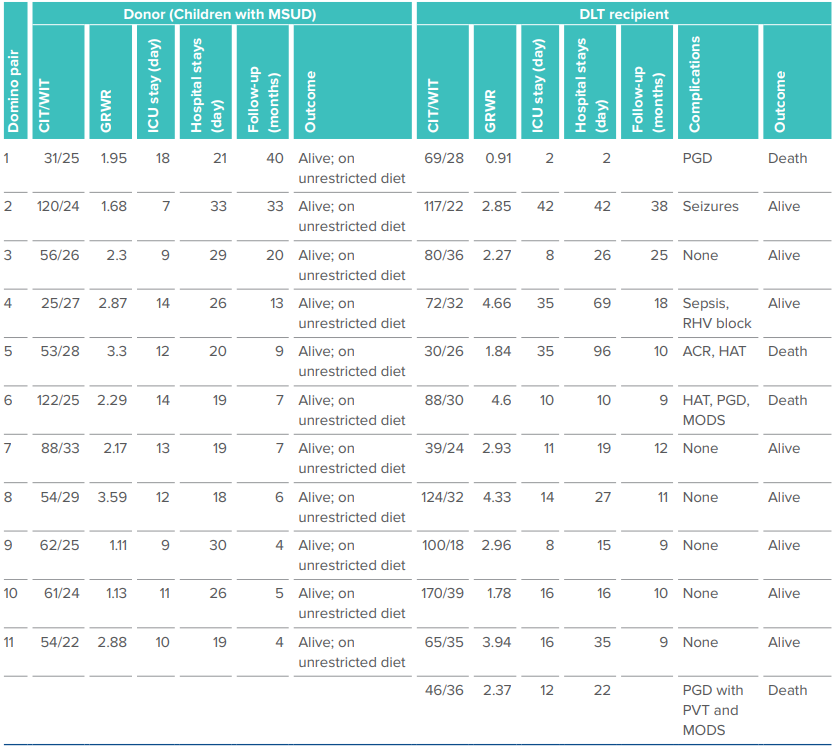
Table 4: Operative characteristics, stay and outcome of children with MSUD and DLT recipients [Reference: Our published article
Abbreviations: ACR- Acute cellular rejection; CIT- Cold ischemia time; DLT- Domino liver transplant recipients; GRWR- Graft to recipient weight ratio; HAT- Hepatic artery thrombosis; ICU- Intensive care unit; MODS- Multiorgan dysfunction syndrome; PGDPrimary graft dysfunction; PVT- Portal vein thrombosis; RHV- Right hepatic vein; WIT- Warm ischemia time
ABO-incompatible liver transplant
Out of 2083, 95 (4.5%) transplants were ABOi LT including 20 paediatric cases. As per our previously published protocol10, all patients underwent desensitisation therapy, which involved the administration of rituximab (375mg/m2) injection two weeks before liver transplantation, with or without plasmapheresis, aiming for pre-transplant titers of ≤1:16. For patients requiring urgent liver transplantation, an accelerated protocol was implemented, which included rituximab therapy administered 3-7 days before transplantation. Splenectomy or local infusion therapy was not utilised during the surgical procedure. Intraoperatively, methylprednisolone was infused during the anhepatic phase, followed by the initiation of triple immunosuppression (tacrolimus, mycophenolate-mofetil and steroids) from the day of surgery. Post-transplant plasmapheresis was carried out based on the trend of antibody titers or the presence of graft dysfunction. The 3-year survival is 62% in the overall cohort and 79% in the paediatric cohort.
Long-term outcomes
Re-transplant due to graft fibrosis was required in 15 patients (0.7%) including 5 paediatric cases. The total number of patients to evaluate for 3-year and 5-year survival are 751 and 1200, respectively. The cumulative patient survival rate (overall adults and paediatric combined) at 1, 3 and 5 years was 89.2%, 86% and 84.5%. For the paediatric sub-cohort, the cumulative patient survival rate at 1, 3 and 5 years was 80%, 77.8% and 77%
Discussion
In recent years, LDLT has gained momentum in India, fuelled by advancements in surgical techniques, perioperative care and immunosuppressive therapies. Specialised transplant centres equipped with state-of-the-art infrastructure and a skilled multidisciplinary team have played a pivotal role in expanding access to LDLT across the country. These centres provide comprehensive preoperative evaluation, meticulous surgical procedures and dedicated postoperative care, ensuring optimal outcomes for both donors and recipients. One of the key advantages of LDLT is the ability to overcome the limitations of deceased donor organ availability. In a country like India, where the demand for liver transplantation far exceeds the supply of deceased donor organs, LDLT offers a viable solution to bridge this gap. By utilising organs from living donors, LDLT significantly reduces waiting times for patients in need of a transplant, thereby saving precious lives.
The shortage of liver donors presents a significant challenge globally and India is no exception to this pressing issue. Blood group mismatch within families further complicates the feasibility of liver transplantation, making it even more challenging to find suitable donors. Additionally, swaps between families are not always agreed upon. According to the Indian Society of Organ Transplantation, the rate of organ donation in India is alarmingly low, with only 0.8 donors per million population, in stark contrast to countries like Spain, where the rate stands at 35 donors per million population. Chief among these challenges is the need to expand the pool of living donors through innovative strategies such as Domino LT, ABO incompatible LT (ABOi LT), and the utilisation of right posterior sector grafts and split grafts. These approaches have the potential to significantly increase the availability of donor organs and address the critical shortage of organs for LT in India.
The short and long-term outcomes of living donor liver transplantation (LDLT) have been extensively studied, with a growing body of literature providing valuable insights into various clinical parameters. The cumulative patient survival rates reported by another Indian centre for their cohorts of 2137 patients at 1, 5 and 10 years are 84%, 75% and 72% respectively[11]. In the paediatric subpopulation comprising 200 patients, the cumulative patient survival rates at 1 and 5 years are reported as 95% and 87% respectively[11]. Recent data from Japan, involving 102 patients, indicates a one-year survival rate of 85-90%[12]. Similarly, a Spanish study by Sánchez Cabús et al. documented patient and graft survival rates at 1, 3 and 5 years to be 93%, 80%, 74%, 90%, 76% and 71% respectively[13]. In our cohorts, the overall population demonstrated 1- and 5-year patient survival rates of 90% and 85%, while the paediatric sub-cohort exhibited rates of 80% and 77% respectively.
Long-term complications of the overall recipients’ cohort have not been reported by the majority of the centres performing living donor liver transplants. The data from the west shows long-term biliary strictures in 40%[13], which seems to be higher than our cohort where the same has been reported in 14%.
One of the unique surgeries routinely performed in our department is a domino transplant, where the explanted liver from a patient with a metabolic disorder is transplanted into another recipient, simultaneous surgeries for all three patients involved are crucial. Teamwork and coordination are essential to ensure optimal outcomes for each recipient. A minimum of three experienced transplant surgeons and an adequate number of anaesthetists are required, particularly when managing small paediatric patients, as their care can be challenging. In our approach, the donor for the child with maple syrup urine disease (MSUD) is prioritised and started first, while preparations are made for the recipient hepatectomy in both the MSUD patient and the domino recipient. The recipient hepatectomy in the MSUD patient is relatively straightforward, as there are typically no issues with portal hypertension or coagulation disorders. The three surgical teams work in tandem to synchronise the timing of the procedures, ensuring that all three livers are ready for removal simultaneously. This synchronised approach not only optimises resource utilisation but also minimises ischemic time and ensures the best possible outcomes for all patients involved in the domino transplant process. Our experience has provided valuable insights into the considerations surrounding the selection of recipients for domino liver transplantation (DLT). One crucial lesson learned is that sick recipients or those requiring retransplants should not be considered for DLT, despite its potential convenience. Our observations indicate that outcomes in this category have been consistently poor, underscoring the importance of careful patient selection to optimise success rates.
In the living-related liver donor cohort for LT, the outcomes are quite excellent[14]. In our cohort, the living-related donors had 100% survival without any major complications in the post-surgical period.
While there have been notable advancements in LT in India, there is still much work to be done to overcome the challenges posed by the shortage of donor organs. By implementing strategies to expand the living donor pool and enhance organ donation awareness, we can strive to ensure that every patient in need of a liver transplant has access to this life-saving procedure.
Credit authorship contribution statement
Dr Vipul Gautam: Study concept and design. Data collection and draft writing: Dr Shaleen Agarwal, Study concept, design, and review: Dr Vikram Kumar, Critical revision of the manuscript for important intellectual content: Dr Shweta A Singh, Critical manuscript revision for important intellectual content and administrative and technical support: Dr Subhash Gupta.
Financial support and sponsorship: None
Conflicts of interest: No
Funding information statement: : No funding received for the study
Conflict of interest statement:: There is no conflict of interest to disclose.
CONCLUSION:
Despite being a resource-limited country, LDLT demonstrates remarkable short- and long-term outcomes. Early extubation following LT significantly improves survival rates. ABOi LT and Domino LT are proven effective and safe approaches in the paediatric setting. The majority of donors are related living donors, and donor surgery has been proven to be safe.
References
- Soin AS, Mohanka R, Choudhary NS, et al. Successful liver transplantation from a living donor to her son for acute liver failure due to paracetamol poisoning. Transplant Proc. 1998;30(5):2521
- Nidoni R, Kandagaddala R, Agarwal S, Dey R, Chikkala BR, Gupta S. Living Donor Liver Transplant in Patients Aged 60 Years or Older: Experience from a Large Volume Centre in India. J Clin Exp Hepatol. 2021 Jan-Feb;11(1):3-8
- Sharma S, Gurakar A, Jabbour N. Living donor liver transplantation in India. J Clin Exp Hepatol. 2016;6(4):285-289
- Sarin SK, Kumar A, Almeida JA, et al. Acute-on-chronic liver failure: consensus recommendations of the Asian Pacific association for the study of the liver (APASL) 2014. Hepatol Int. 2014;8(4):453-471
- Rai R, Shanmugam N, Mathur RP, et al. Living donor liver transplantation: Indian experience. J Clin Exp Hepatol. 2020;10(1):20-26
- Gupta A, Dhingra R, Singla R, et al. Living donor liver transplantation: Indian scenario. J Clin Exp Hepatol. 2018;8(4):446-452
- Gupta S, Shrivastava M, Dhingra R, et al. Living donor liver transplantation in India: Time to review the ethical considerations. Indian J Med Ethics. 2020;5(4):320-325
- Pandey VK, Prabhudesai A, Goyal S et al. Safety and feasibility of immediate tracheal extubation of small pediatric patients after living donor liver transplantation. Pediatric Transplantation. 2022;26(8), e14401
- Kumar V, Gautam V, Agarwal S, Pandey V, Goyal S, Nasa V, Singh SA, Al-Thihli K, Al-Murshedi F, Al Hashmi N, Al Rawahi Y, Al-Bahlani AQ, Al Said K, Gupta S. Domino liver transplantation for maple syrup urine disease in children: A single-center case series. Pediatr Transplant. 2023 Dec;27(8):e14603
- Gautam V, Kumar V, Agarwal S, Gupta S. ABO Incompatible Living Donor Liver Transplantation in Children: A Single Centre Experience from India. J Clin Exp Hepatol. 2024 May-Jun;14(3):101340
- Choudhary NS, Bhangui P, Soin AS. Liver Transplant Outcomes in India. Clin Liver Dis (Hoboken). 2022 Jan 24;19(1):32-35
- Matoba D, Noda T, Kobayashi S, Sasaki K, Iwagami Y, Yamada D, Tomimaru Y, Takahashi H, Doki Y, Eguchi H. Analysis of Short-Term and Long-Term Outcomes of Living Donor Liver Transplantation for Patients with a High Model for End-Stage Liver Disease Score. Transplant Proc. 2023 May;55(4):893-897
- Sánchez Cabús S, Estalella L, Pavel M, Calatayud D, Molina V, Ferrer J, Fondevila C, Fuster J, García-Valdecasas JC. Analysis of the long-term results of living donor liver transplantation in adults. Cir Esp. 2017 Jun-Jul;95(6):313-320
- Dew MA, Butt Z, Humar A, DiMartini AF. Long-Term Medical and Psychosocial Outcomes in Living Liver Donors. Am J Transplant. 2017 Apr;17(4):880-892